



Dr Bhavin Garara
HomeContact UsUHai — Analyse My Skin
Cellulite

Cellulite

Cellulite is a structural phenomenon, not a fat condition. It develops when tough fibrous bands beneath the skin pull downward while underlying fat pushes upward, producing the dimpled or wavy appearance on the thighs and buttocks. Most people develop some cellulite — including very lean and very athletic individuals — and it is not a sign of poor health. Treatment that targets the structural cause (the fibrous bands and the overlying skin) is more effective than approaches aimed at the fat alone.

Medically reviewed by Dr Bhavin Garara, GMC 7155707 · Last reviewed: 6 April 2026

What it is

What Is Cellulite?

Book a Consultation

The fat under the skin is held in compartments by fibrous bands (septae) that connect the skin down to the underlying muscle layer. In cellulite-prone areas — thighs, buttocks, and sometimes upper arms — these bands are arranged in a pattern that produces visible dimples and waves on the surface. Anatomy, hormones, and connective-tissue characteristics shape the pattern.

Dr Bhavin Garara’s approach is structural: release the fibrous tether where there is a distinct dimple, thicken and firm the overlying skin where the surface is wavy.

What causes it

What Causes Cellulite?

  1. 1

    Connective-tissue architecture

    The arrangement of the fibrous bands is the central cause. This is largely genetic.

  2. 2

    Hormones

    Oestrogen plays a role; cellulite is much more common in women than men.

  3. 3

    Skin thickness

    Thinner overlying skin shows the underlying contour more readily.

  4. 4

    Fat compartment volume

    Larger fat compartments push more against the overlying skin; weight changes can affect appearance but rarely eliminate cellulite entirely.

  5. 5

    Age and skin elasticity

    Skin loses some of its supportive structure with age, which makes cellulite more visible.

Dr Bhavin Garara
Dr Bhavin Garara, MBBS, BMedSci, PGDip
Book a Consultation
Dr Garara's approach

How Dr Bhavin Garara Treats Cellulite

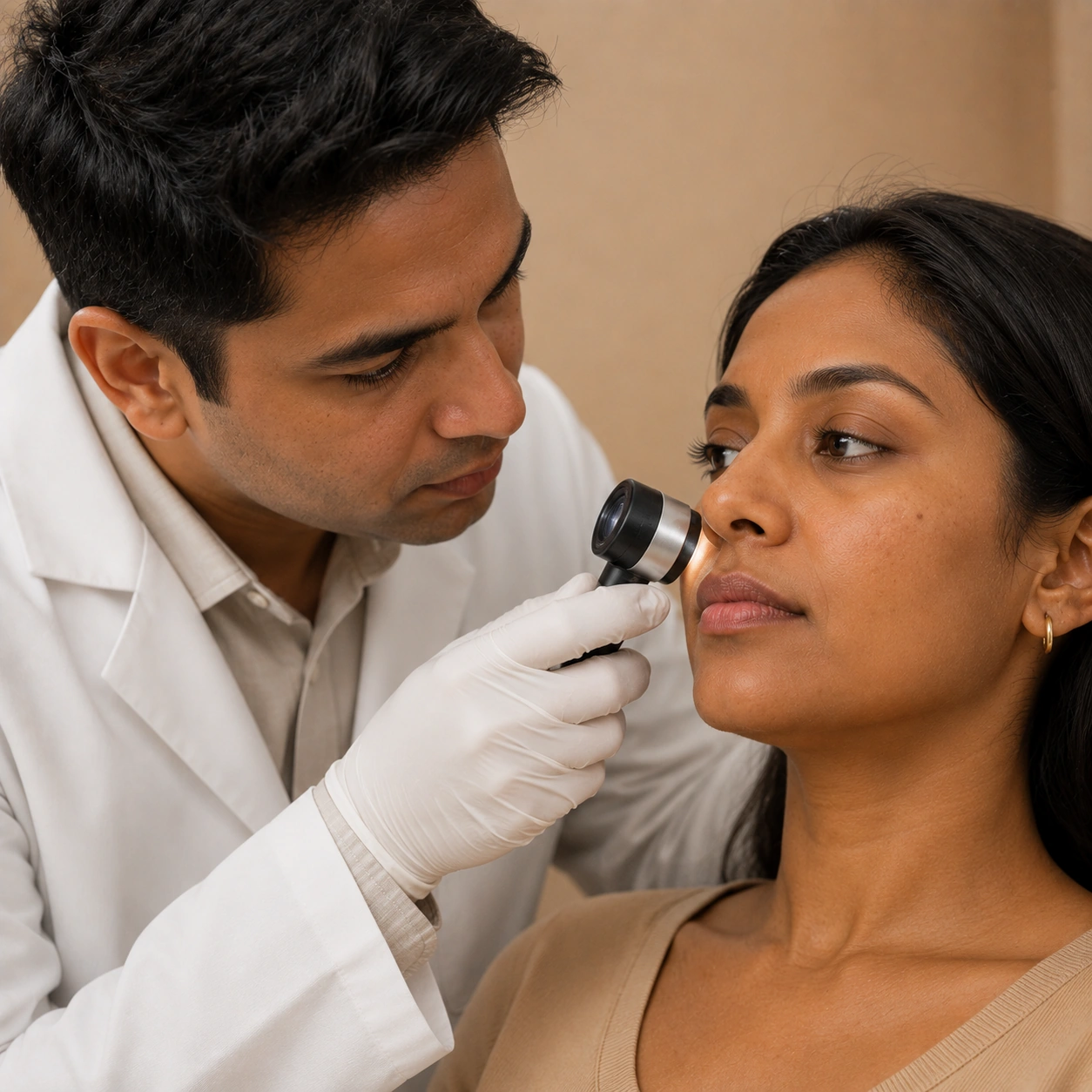
At the clinics in London, Dr Garara assesses whether the cellulite is predominantly dimples (distinct dots driven by fibrous tethers), waves (broader surface irregularity related to skin laxity), or a mix. The plan combines mechanical release for distinct dimples with skin-quality treatments for the wavy component.
  • Anatomy-led assessmentTreatment plans built around your unique facial structure and movement.
  • Personalised planCombinations chosen for your skin, goals, and lifestyle — not a one-size-fits-all protocol.
  • Natural resultsA refreshed, well-rested version of you — never a frozen or over-treated look.

Features

Treatment Options for Cellulite

Subcision, collagen biostimulators, radiofrequency microneedling, and regenerative skin treatments — with honest framing of realistic outcomes.

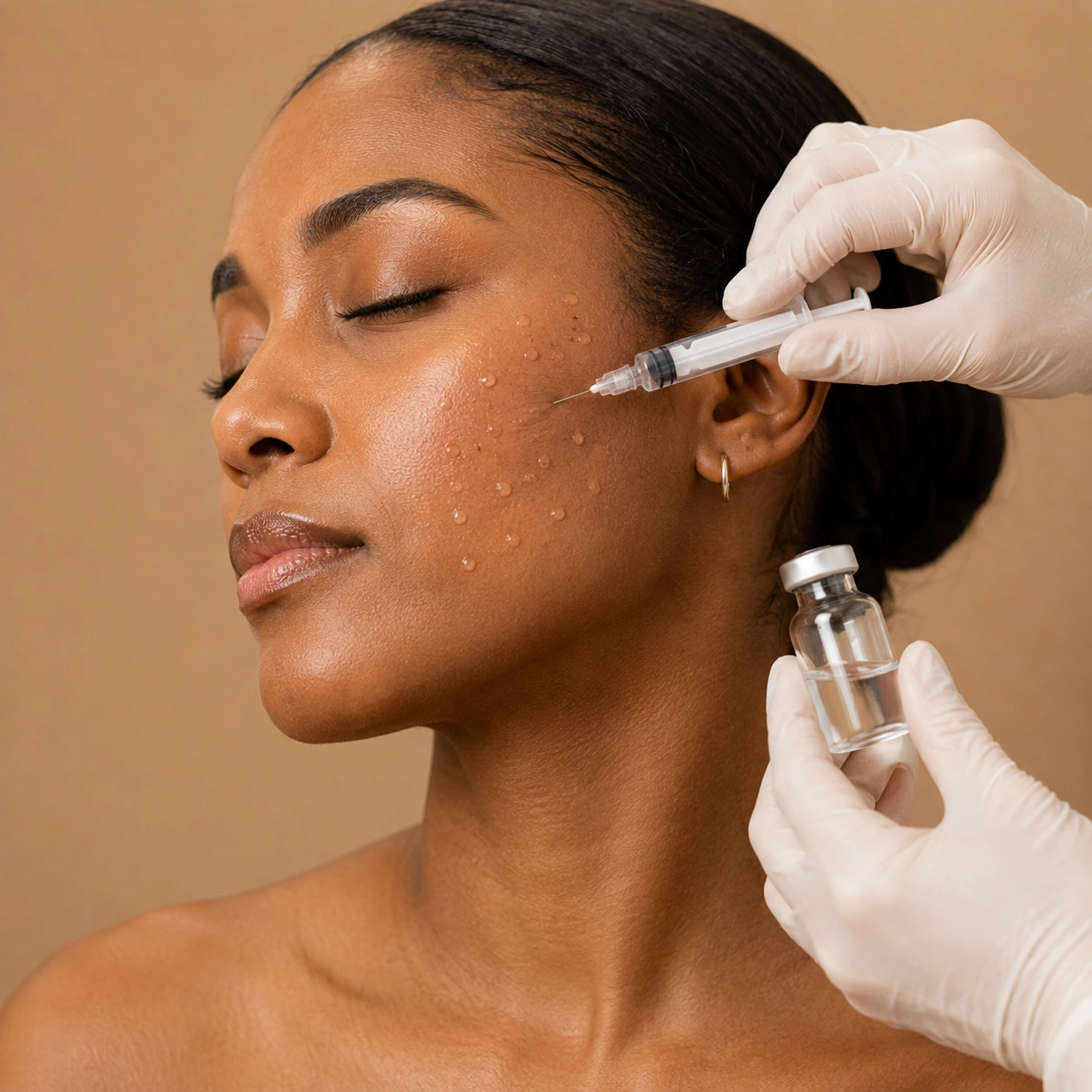
Subcision for distinct dimples

Subcision for distinct dimples

Mechanical release of the fibrous band beneath the skin allows the dimple to release and the surface to lie flatter. The most effective treatment for true dimples and the most realistic in its outcome.

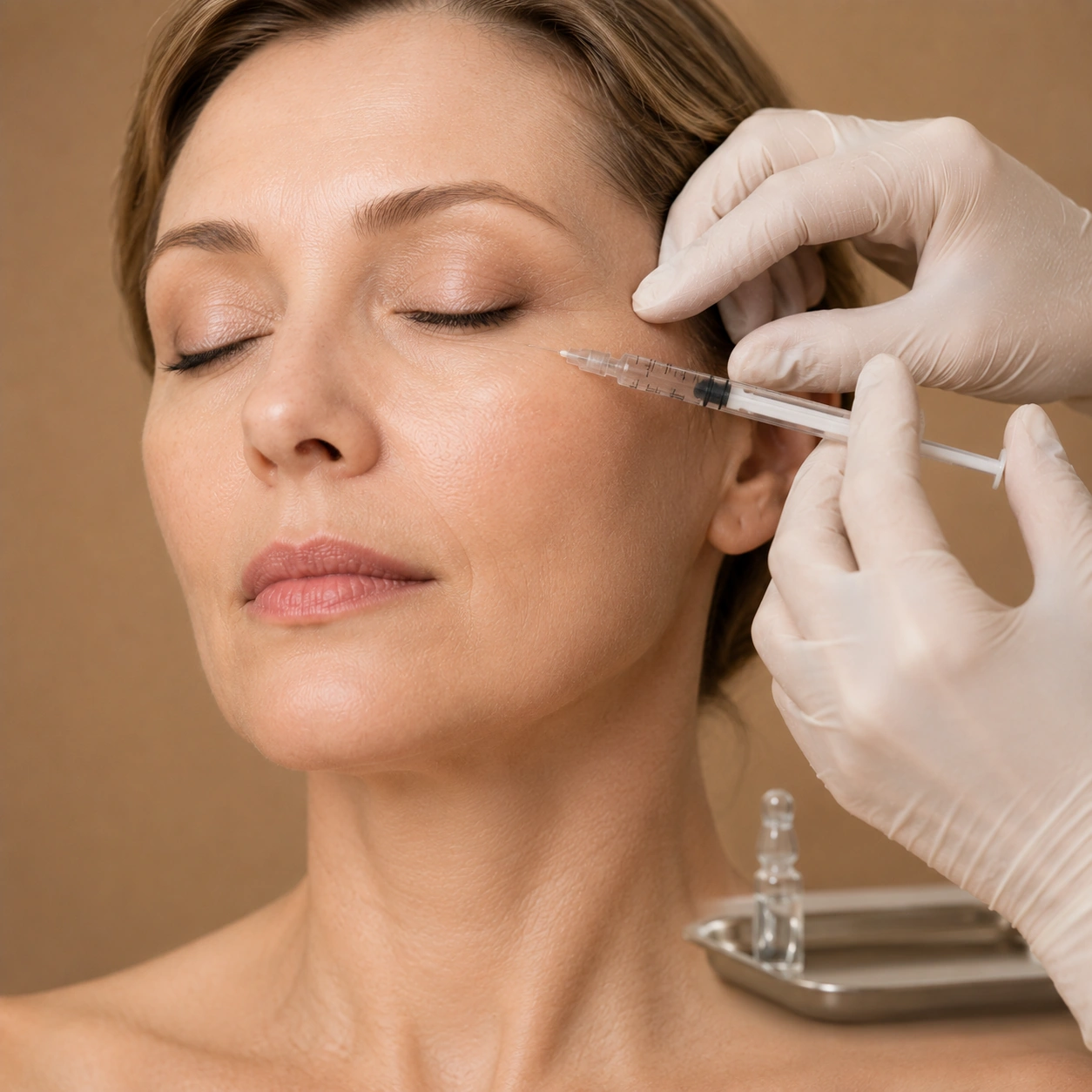
Collagen biostimulators

Collagen biostimulators

PLLA and CaHA preparations build collagen over months, firming the skin envelope. Often used immediately after subcision to discourage re-tethering.

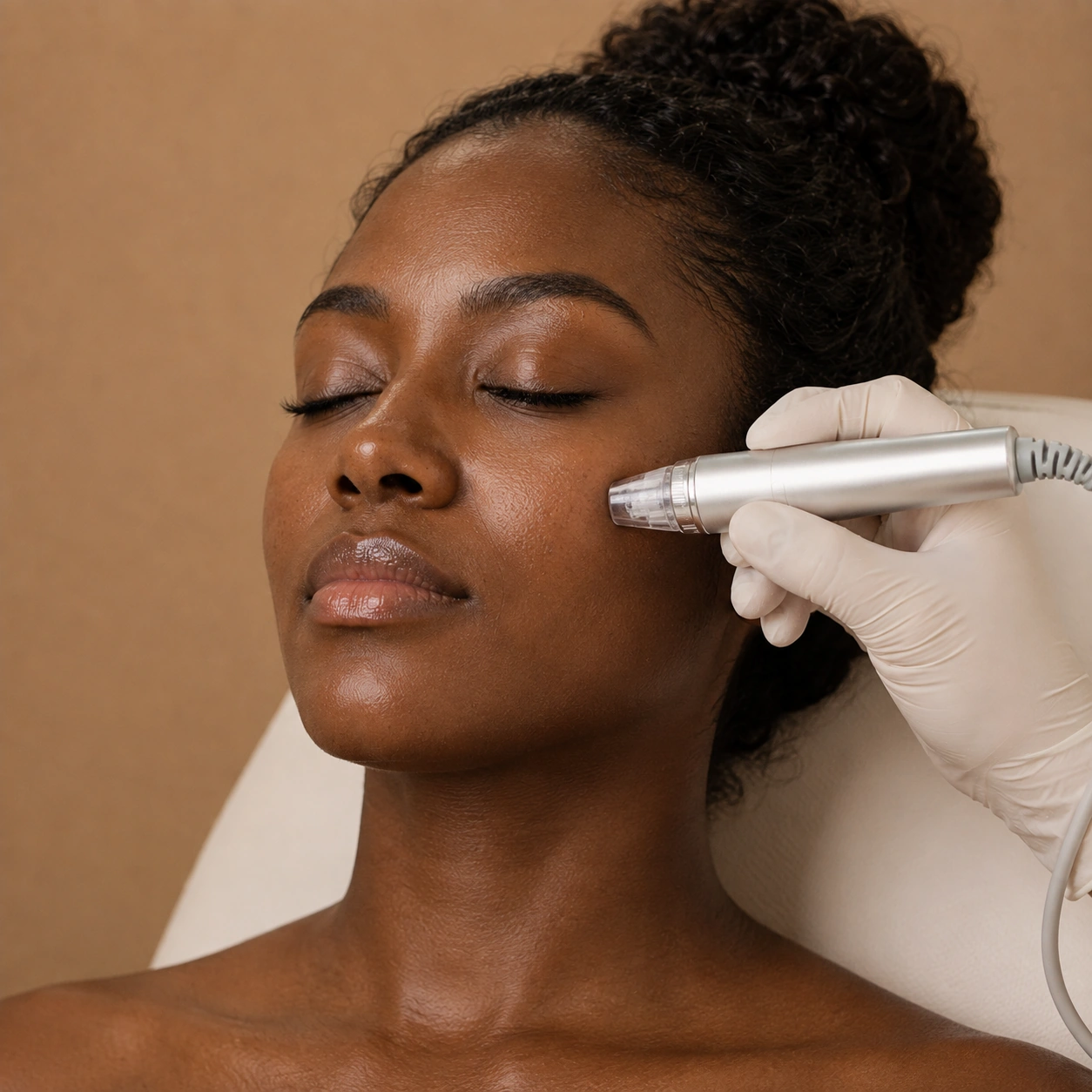
Radiofrequency microneedling (Sylfirm X)

Radiofrequency microneedling (Sylfirm X)

Sylfirm X delivers radiofrequency through fine needles into the dermis to encourage tightening and collagen remodelling across cellulite-prone areas.

See Sylfirm X
Polynucleotides and regenerative skin treatments

Polynucleotides and regenerative skin treatments

Polynucleotides (Rejuran®), PDRN, multi-ingredient skinboosters, and autologous PRP / platelet-derived exosomes support skin quality and dermal thickness alongside the structural treatments.

See Polynucleotides
What we are honest about

What we are honest about

Cellulite is a feature of normal female anatomy. Treatment can reduce its visibility — sometimes meaningfully for distinct dimples — but does not eliminate it. The clinic does not describe cellulite as something to be “cured” or “erased.”

Treatment is structural — subcision for distinct dimples, biostimulators for lax overlying skin, radiofrequency microneedling for waviness, and regenerative skin support throughout.

Subcision for distinct dimples

  • Best for: Defined dimples driven by fibrous tethering
  • Downtime: 3–7 days of swelling and bruising
  • Lasts: Long-lasting for the treated dimple; re-tethering is uncommon with biostimulator support

For deep, defined dimples driven by fibrous tethering, subcision — using a fine instrument to mechanically release the band beneath the skin — allows the dimple to release and the surface to lie flatter. This is the most effective treatment for true dimples and the most realistic in its outcome.

Collagen biostimulators

  • Best for: Lax, thin overlying skin
  • Downtime: 2–4 days of localised swelling
  • Lasts: Around 12–18 months following a course

For thin, lax overlying skin, poly-L-lactic acid (PLLA) and calcium hydroxyapatite (CaHA) preparations placed across the area build collagen over months, firming the skin envelope. Often used immediately after subcision to discourage re-tethering.

Radiofrequency microneedling (Sylfirm X)

  • Best for: Generalised textural waviness and mild laxity
  • Downtime: 2–5 days of mild redness
  • Lasts: Long-lasting; collagen remodelling continues for months

Sylfirm X delivers radiofrequency through fine needles into the dermis to encourage tightening and collagen remodelling across cellulite-prone areas. Treatment for higher Fitzpatrick skin types (IV–VI) requires careful device selection and conservative settings; Dr Garara has particular experience in aesthetic medicine for skin of colour.

Polynucleotides and regenerative skin treatments

  • Best for: Thin overlying skin alongside other treatments
  • Downtime: 1–3 days of mild redness
  • Lasts: Around 6–12 months with a course

Polynucleotides (Rejuran®), PDRN, multi-ingredient skinboosters, and autologous PRP / platelet-derived exosomes support skin quality and dermal thickness alongside the structural treatments.

What we are honest about

Cellulite is a feature of normal female anatomy. Treatment can reduce its visibility — sometimes meaningfully, particularly for distinct dimples — but does not eliminate it. The clinic does not describe cellulite as something to be “cured” or “erased.” Outcomes vary between individuals, and we discuss realistic expectations at consultation.

Considering treatment for cellulite?

Book a consultation with Dr Bhavin Garara.

Book a Consultation
Compare at a glance

Treatments at a Glance

Subcision

Best suited for
Defined dimples driven by fibrous tethering
Typical downtime
3–7 days of swelling and bruising
How long results last
Long-lasting for the treated dimple; re-tethering is uncommon with biostimulator support
What it does
Mechanically releases the fibrous band

Collagen biostimulators (PLLA / CaHA)

Best suited for
Lax, thin overlying skin
Typical downtime
2–4 days of localised swelling
How long results last
Around 12–18 months following a course
What it does
Builds collagen for skin firmness

Radiofrequency microneedling

Best suited for
Generalised textural waviness and mild laxity
Typical downtime
2–5 days of mild redness
How long results last
Long-lasting; collagen remodelling continues for months
What it does
Tightens and remodels the dermis

Regenerative skin treatments

Best suited for
Thin overlying skin alongside other treatments
Typical downtime
1–3 days of mild redness
How long results last
Around 6–12 months with a course
What it does
Supports tissue quality

Downtime and duration figures are typical averages only. Individual results vary considerably. Dr Garara will give you a more personalised picture at consultation.

Safety & risk

Is Cellulite Treatment Safe?

Treatments described are widely performed and generally well tolerated. Subcision can produce significant bruising and short-lived discomfort. Energy-based treatments carry the risk of post-inflammatory pigment change in skin of colour; conservative settings reduce this.

We share this because patients deserve full information. Dr Garara is happy to discuss specific risks at consultation.
  • Qualified medical practitionerTreatment carried out by an experienced doctor with detailed anatomical training.
  • Reversal agents on handHyaluronidase and other complication-management tools are immediately available.
  • Full informed consentRisks, alternatives, and expected outcomes discussed in detail before any treatment.
Dr Bhavin Garara
Reviewed byDr Bhavin Garara

Frequently Asked Questions

Common questions about treating cellulite.

Read next

Related Concerns

Cellulite connects to other body concerns. You may also want to read about:

← All body concerns

For an overview of all the facial concerns we treat, visit our Body treatments hub.

Next step

Ready to take the next step?

Book a consultation with Dr Bhavin Garara.

Book a Consultation

Begin with a proper assessment.

Tell us a little about what you're looking for and we'll match you with the right consultation — at the clinic or virtually.

  • Your enquiry goes directly to Dr Bhavin's team.
  • We'll be in touch within one working day.
  • All consultations are strictly confidential.

This page is for general information and does not constitute medical advice. All treatments require a personal consultation. Suitability, risks, and expected outcomes will be discussed with you in detail before any treatment is carried out.