



Regenerative injectables: polynucleotides, PDRN and skinboosters
- Best for: Thin, dehydrated, finely creased skin above the lip
- Downtime: Small bumps for 24–48 hours
- Lasts: Around 6–12 months with a course
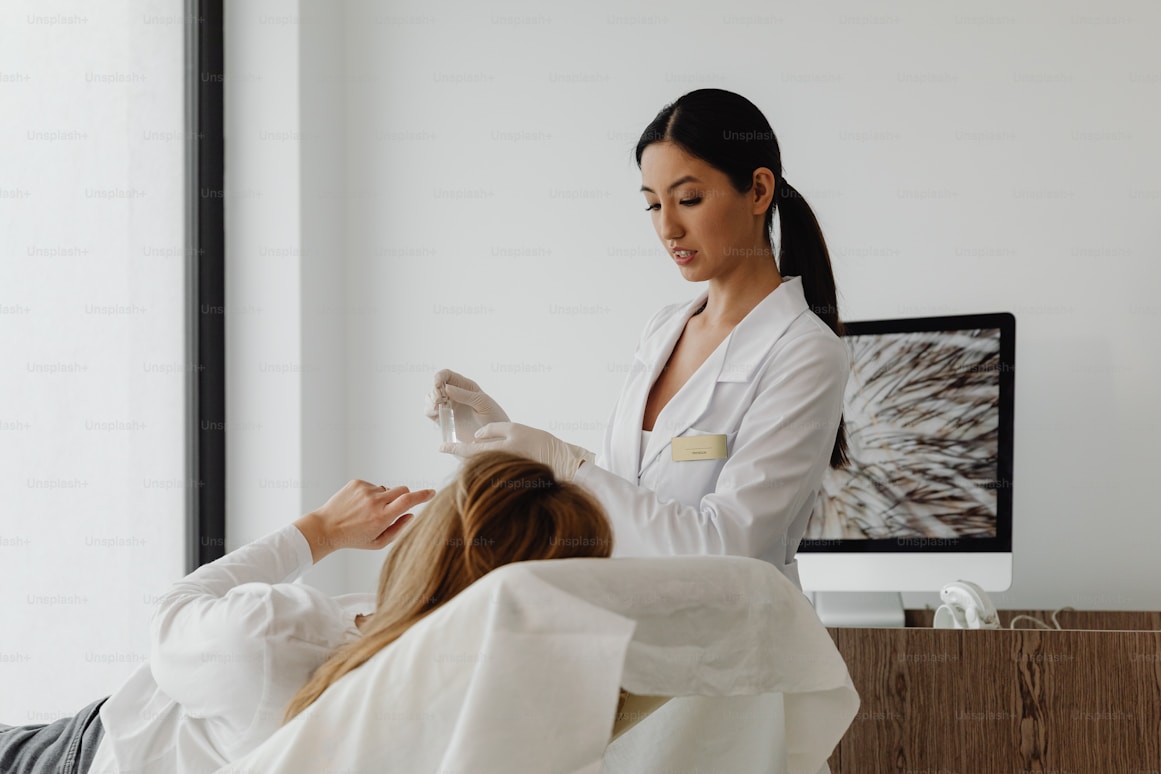
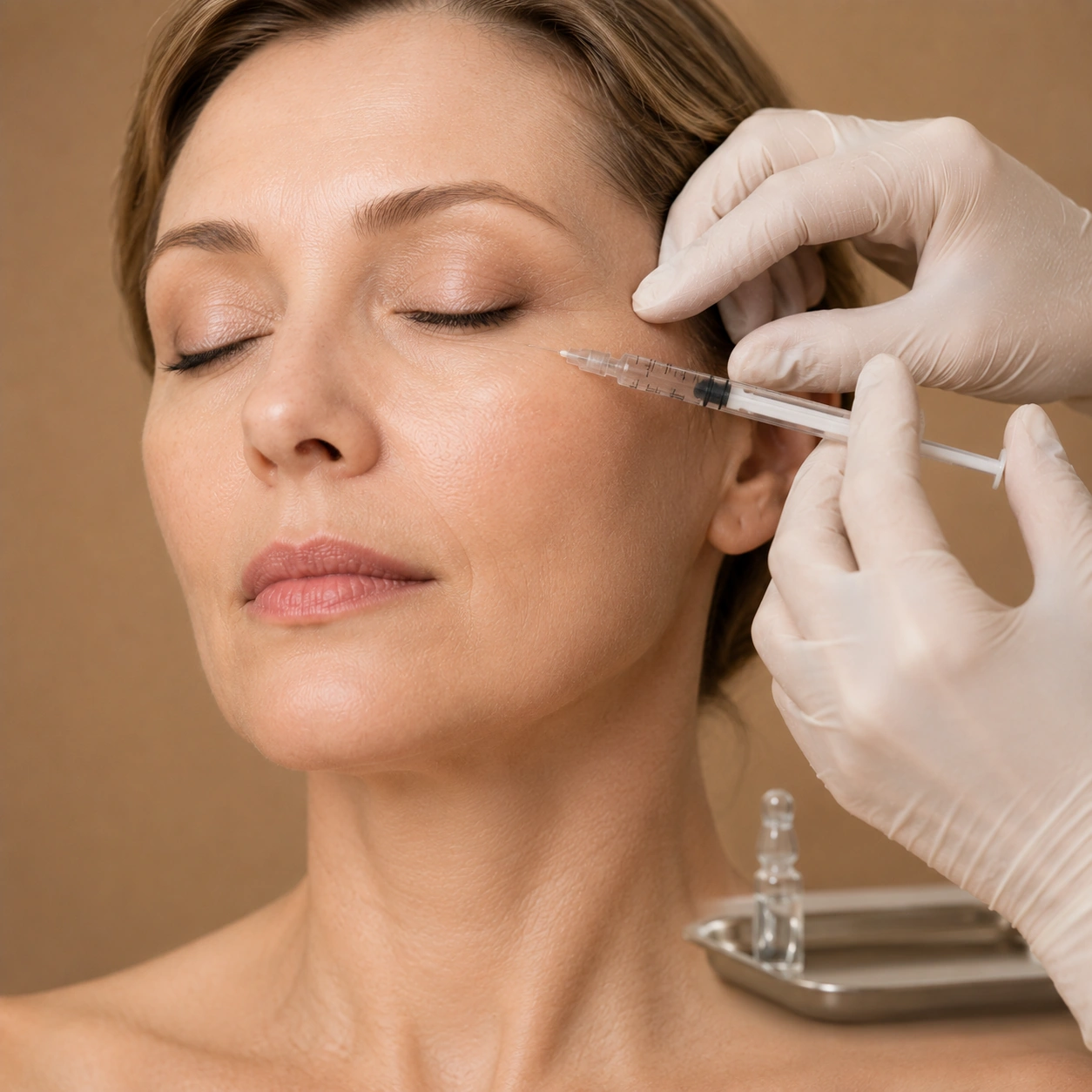
For thin, dehydrated, or finely etched skin above the upper lip, treatments aimed at improving skin quality from within are usually the first port of call. There are three related but distinct groups here.
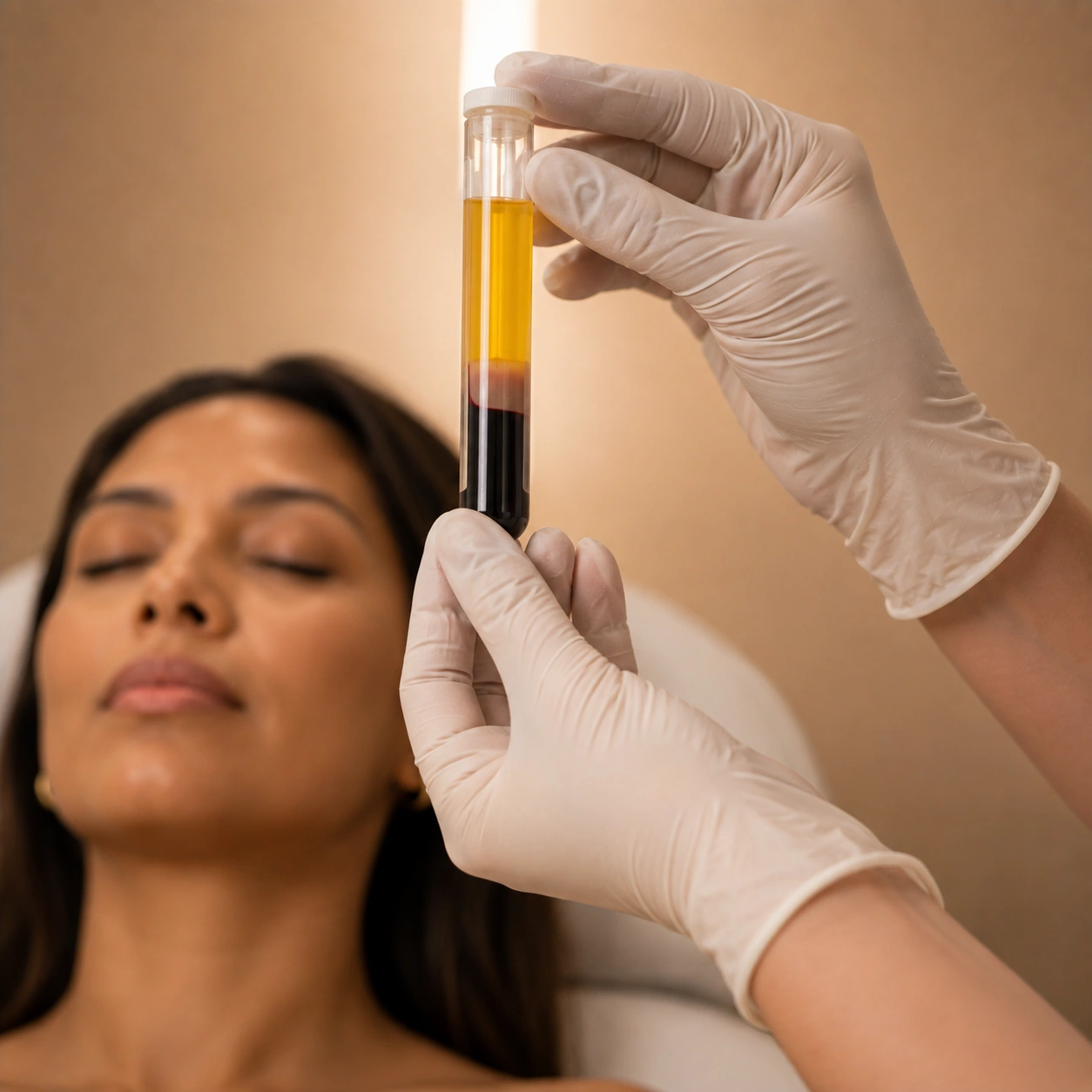
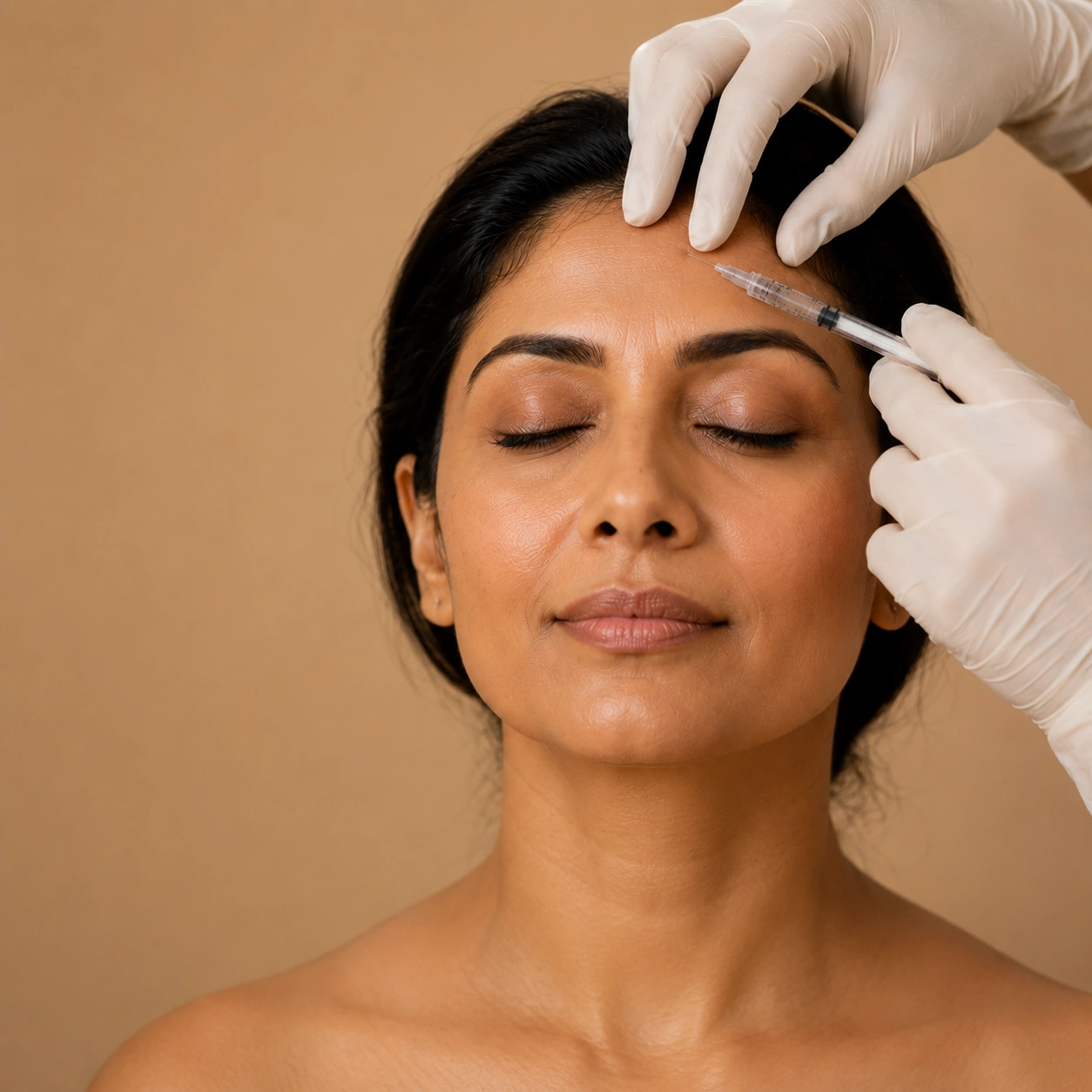
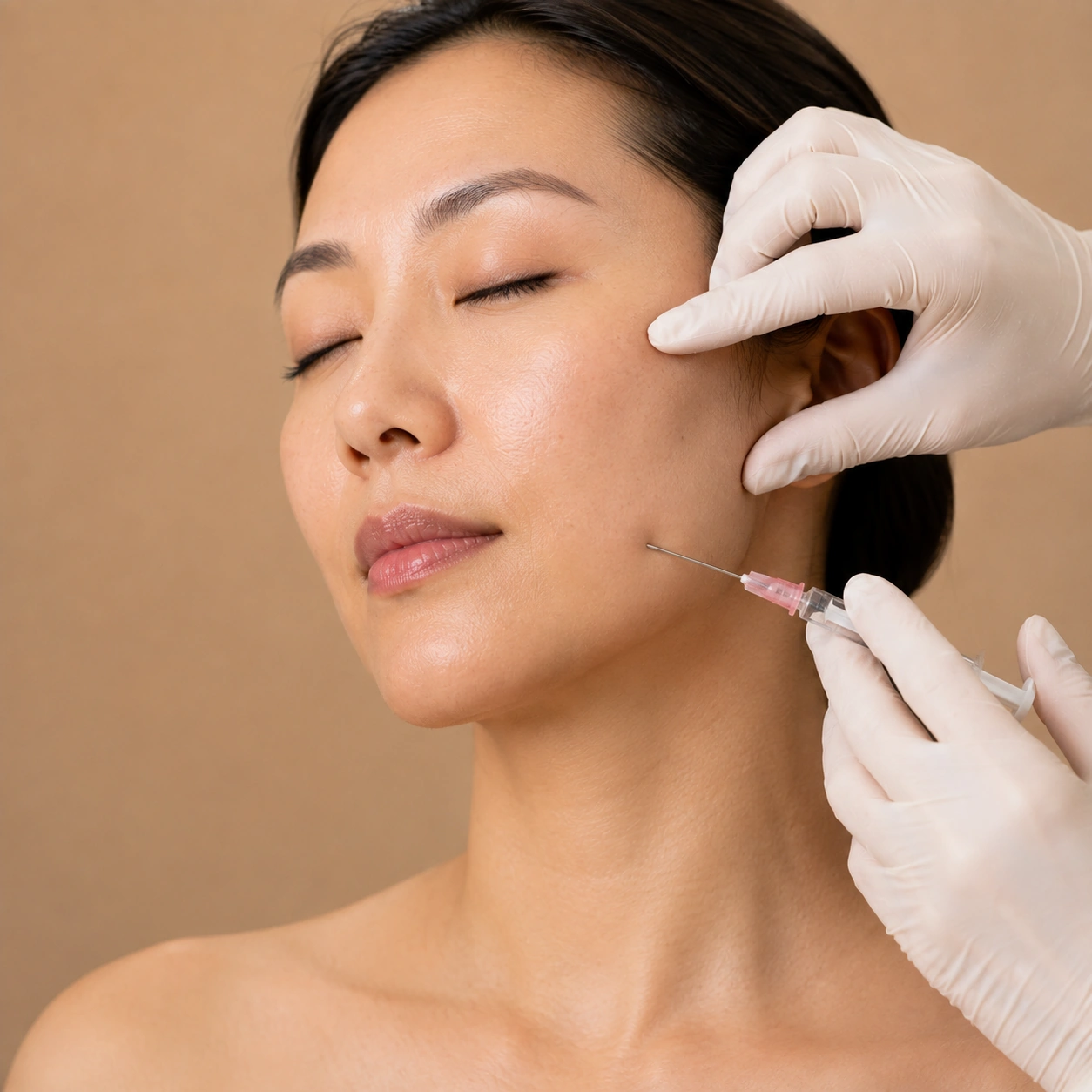
Polynucleotides (PN) are long-chain, highly purified DNA fragments derived from wild salmon (Oncorhynchus keta). Once injected superficially into the skin, they are understood to act as a “repair signal” — supporting your fibroblasts to produce more collagen and elastin, helping the skin hold moisture, and gradually improving its thickness. They are not fillers and do not add volume. A widely-used brand example in the UK is Rejuran®, a CE-marked Class III medical device made by PharmaResearch using their patented DOT™ (DNA Optimizing Technology) process. Treatment is typically a course of three sessions about a month apart, with results commonly lasting around 6–12 months, though this varies between individuals.
PDRN (polydeoxyribonucleotide) consists of shorter DNA fragments from the same family. It acts mainly on the skin’s repair processes — supporting cell turnover, reducing inflammation, and aiding tissue healing — which makes it well suited to skin that is recovering or being treated alongside laser or microneedling. Polynucleotides and PDRN have meaningfully different molecular profiles and clinical roles; they are not interchangeable.
Multi-ingredient skinboosters such as Profhilo, Jalupro Hydromax, Sunekos, NCTF, and klardie deliver hyaluronic acid alongside amino acids, peptides, vitamins, and — in some formulations — DNA-derived components, supporting hydration, the skin barrier, and overall skin quality.
These treatments typically need a short course of 2–3 sessions a few weeks apart, with occasional maintenance.
See full treatment page: Polynucleotides