



Dr Bhavin Garara
HomeContact UsUHai — Analyse My Skin
Filler Removal and Dissolving

Filler Removal and Dissolving

Hyaluronic acid (HA) filler is reversible — it can be dissolved using hyaluronidase, a prescription-only enzyme that breaks down hyaluronic acid. Filler dissolving is most often used to correct overfilled, migrated, or lumpy results, in the rare event of a vascular complication, or simply to “reset” before any further treatment. The procedure is straightforward but anatomically demanding and is performed only by a qualified medical prescriber. Where possible, dissolving is ultrasound-guided so that the targeted filler pocket can be seen rather than guessed.

Medically reviewed by Dr Bhavin Garara, GMC 7155707 · Last reviewed: 17 February 2026

What it is

What Is Filler Removal?

Book a Consultation

Modern dermal fillers fall into two broad categories — reversible (hyaluronic acid) and non-reversible (calcium hydroxyapatite, poly-L-lactic acid, polymethyl methacrylate, autologous fat). Hyaluronic acid filler can be dissolved using hyaluronidase, the prescription enzyme that breaks the bonds that cross-link HA gel. The dissolved product is then cleared by the lymphatic system over 24–48 hours.

Dr Bhavin Garara’s approach is precise and ultrasound-guided where the situation calls for it. Blind enzyme injection in areas of complex anatomy is avoided.

Where it shows

When Is Filler Dissolving Appropriate?

  • Overfilled appearance

    A face that has been filled to a degree the patient now finds unnatural.

  • Migrated filler

    Product that has moved away from its intended placement (commonly seen above the lip, around the eyes, and over the cheekbones).

  • Lumps or palpable nodules

    Areas of product that have not integrated smoothly.

  • Tyndall effect

    The bluish discolouration that can appear when filler is placed too superficially, particularly under the eye.

  • Asymmetry from previous filler

    Uneven results from earlier treatment that benefit from a reset.

  • Vascular complication

    A recognised emergency where filler has compromised a blood vessel; hyaluronidase is administered urgently. This is rare but requires immediate management.

  • Before further treatment

    Sometimes the cleanest plan is to dissolve previous filler, allow the tissue to settle, then assess again.

Dr Bhavin Garara
Dr Bhavin Garara, MBBS, BMedSci, PGDip
Book a Consultation
Dr Garara's approach

How Dr Bhavin Garara Approaches Filler Dissolving

Ultrasound guidance lets the practitioner distinguish synthetic filler from natural fat and blood vessels and target only what needs to be dissolved. Blind injection is less precise and is avoided where ultrasound guidance is feasible.

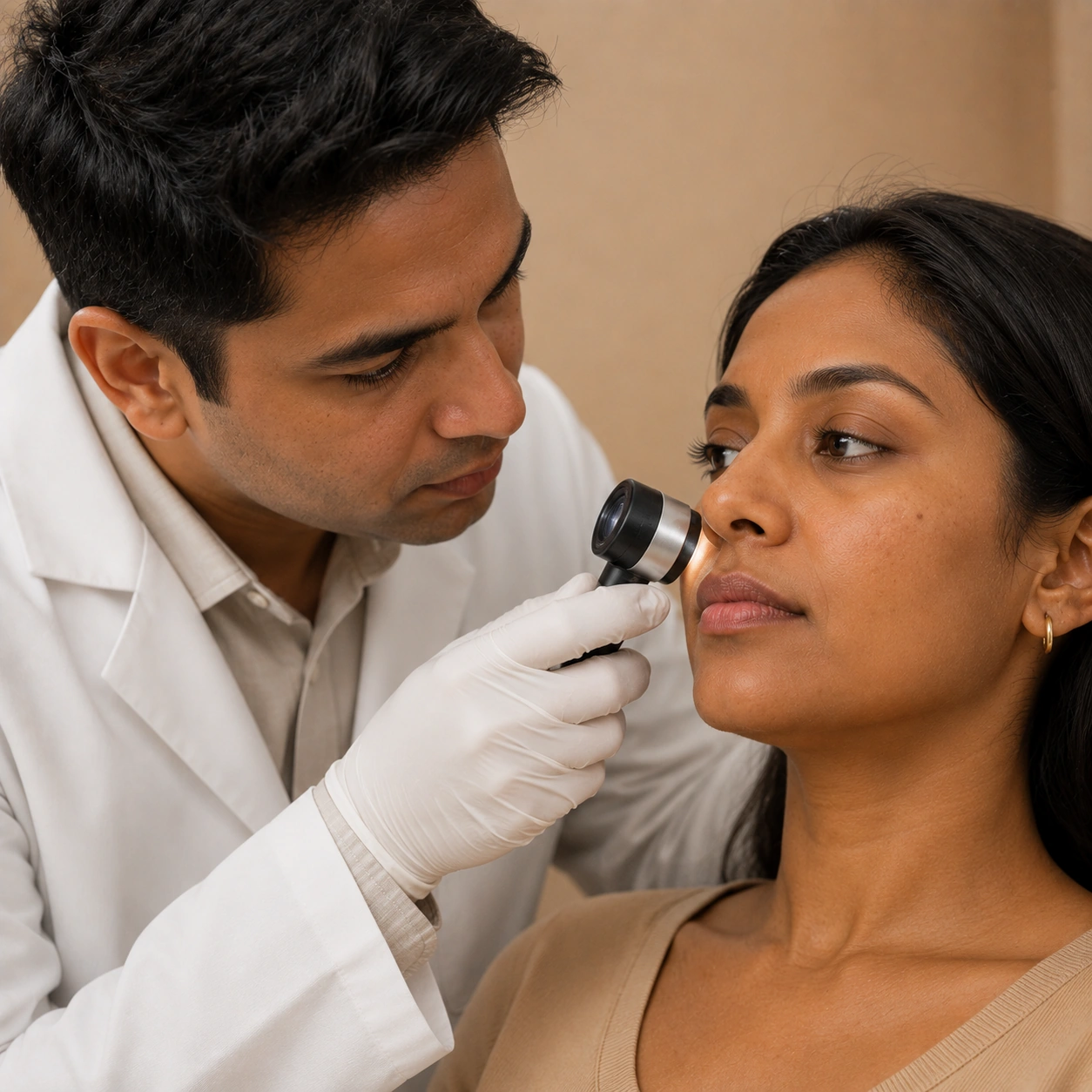
At the clinics in London, Dr Garara assesses your history (what was placed, when, where, by whom if known), examines the tissue clinically, and uses high-frequency ultrasound where appropriate to visualise the filler pockets directly.

  • Anatomy-led assessmentTreatment plans built around your unique facial structure and movement.
  • Personalised planCombinations chosen for your skin, goals, and lifestyle — not a one-size-fits-all protocol.
  • Natural resultsA refreshed, well-rested version of you — never a frozen or over-treated look.

Features

The Procedure

Hyaluronidase enzyme dissolving; followed by regenerative repair and optional re-volumisation once tissue has settled.

Hyaluronidase enzyme dissolving (prescription-only medicine)

Hyaluronidase enzyme dissolving (prescription-only medicine)

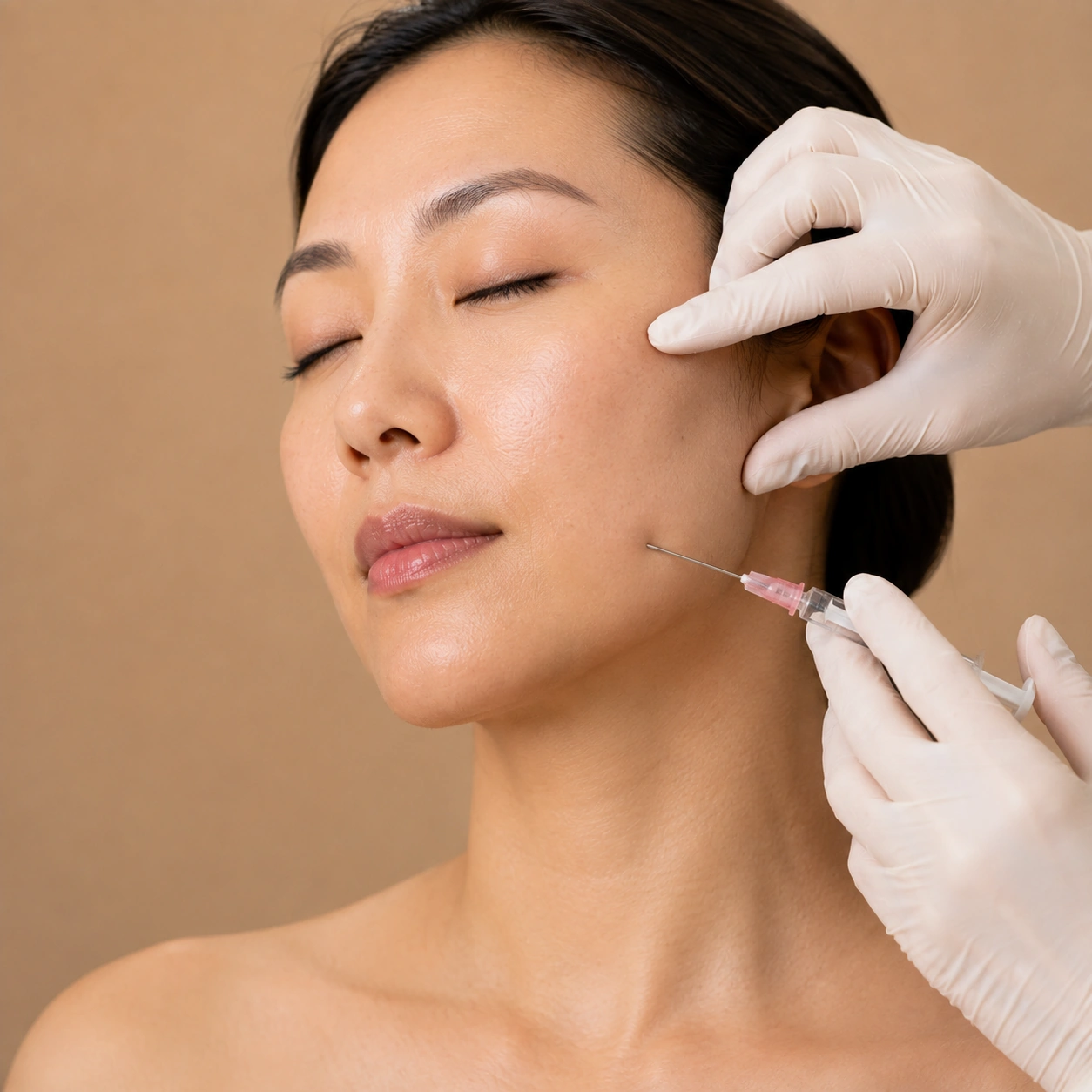
Hyaluronidase is injected precisely into the unwanted filler pocket. HA bonds break down and the gel clears via the lymphatic system over 24–48 hours.

After dissolving — tissue repair

After dissolving — tissue repair

Tissue that has held filler for years can look temporarily lax once the filler is gone. Regenerative treatments rebuild dermal quality.

Future re-volumisation (where appropriate)

Future re-volumisation (where appropriate)

Where new volume is eventually desired, options include conservative HA filler, collagen biostimulators, or Seffiller. Typically reassessed 2–4 weeks after dissolving.

Hyaluronidase is the prescription enzyme used to dissolve hyaluronic acid filler. Below is what the procedure involves, and the regenerative repair pathway typically used afterwards.

Hyaluronidase enzyme dissolving (prescription-only medicine)

  • Best for: Reversal of HA filler — overfill, migration, lumps, Tyndall, vascular event
  • Downtime: 1–3 days of swelling or bruising
  • Lasts: Clearance of targeted filler within 24–48 hours

Hyaluronidase is the prescription enzyme used to dissolve hyaluronic acid filler. A brand example some patients may have heard of is Hyalase®. This is a prescription-only medicine in the UK, which means it can only be prescribed and administered by a qualified medical prescriber following a face-to-face consultation. Whether it is suitable for you is something Dr Garara will discuss with you at consultation. It is not suitable for everyone — most importantly, patients with a known allergy to bee venom or to hyaluronidase itself should not have this treatment, and a sensitivity test is sometimes performed before the main dissolving session.

Hyaluronidase is a prescription-only medicine (POM) and must be prescribed and administered by a qualified medical prescriber following a face-to-face consultation. A sensitivity test is sometimes performed before the main dissolving session, particularly where allergy risk is suspected.

The enzyme is injected precisely into the unwanted filler pocket. The HA bonds break down and the gel is cleared by the lymphatic system over 24–48 hours. Multiple dissolving sessions are sometimes needed for large volumes of filler or for filler placed in difficult-to-access pockets.

After dissolving — tissue repair

Tissue that has held filler for years can look temporarily lax or thinner once the filler is gone. This is normal and usually settles as the tissue retracts. Where additional support is welcome, regenerative skin treatments can rebuild dermal quality:

  • Polynucleotides (Rejuran®), PDRN, and multi-ingredient skinboosters (Profhilo, klardie, NCTF) — support hydration and dermal thickness.
  • PRP and platelet-derived exosomes (both autologous, derived from your own platelets) — support tissue quality.
  • Radiofrequency microneedling (Sylfirm X) — tightens the dermal envelope where stretched.

Future re-volumisation (where appropriate)

  • Best for: After tissue has settled
  • Downtime: Variable
  • Lasts: Variable

Where new volume is eventually desired, the clinic discusses options at follow-up — typically waiting 2–4 weeks (sometimes longer) before reassessing. Options include conservative HA filler, collagen biostimulators (PLLA or CaHA preparations), or Seffiller (autologous fat grafting) for selected patients.

Considering filler dissolving?

Book a consultation with Dr Bhavin Garara.

Book a Consultation
Compare at a glance

Treatments at a Glance

Hyaluronidase (POM)

Best suited for
Reversal of HA filler — overfill, migration, lumps, Tyndall, vascular event
Typical downtime
1–3 days of swelling or bruising
How long results last
Clearance of targeted filler within 24–48 hours
What it does
Breaks down HA filler enzymatically

Regenerative skin treatments

Best suited for
Tissue repair after dissolving
Typical downtime
1–2 days of mild bumps
How long results last
Around 6–12 months with a course
What it does
Supports dermal recovery

Radiofrequency microneedling

Best suited for
Lax skin envelope after large-volume dissolving
Typical downtime
2–5 days of mild redness
How long results last
Long-lasting; collagen remodelling continues for months
What it does
Tightens the dermal envelope

Future re-volumisation (where appropriate)

Best suited for
After tissue has settled
Typical downtime
Variable
How long results last
Variable
What it does
Restores volume conservatively at follow-up

Downtime and duration figures are typical averages only. Individual results vary considerably. Dr Garara will give you a more personalised picture at consultation.

Safety & risk

Is Filler Dissolving Safe?

Hyaluronidase is widely used and generally well tolerated. Risks include allergic reaction — patients with a known allergy to bee venom or hyaluronidase should not have this treatment, and a test dose is sometimes used. Temporary thinning of natural HA in the area can occur — hyaluronidase does not perfectly distinguish synthetic from natural HA, but tissue typically recovers within days to weeks, and ultrasound-guided technique reduces the risk by targeting only the synthetic filler pocket. Bruising and swelling for a few days are common. Vascular events are rare but the enzyme itself can in unusual cases trigger an anaphylactic reaction; treatment is performed by a medical prescriber in an appropriate clinical setting.

In a vascular-complication emergency from previous filler, hyaluronidase is the established management. Time matters: if you have had filler and develop severe pain, pale or dusky skin, vision changes, or unusual symptoms in the hours or days afterwards, contact the clinic or seek emergency care immediately.
  • Qualified medical practitionerTreatment carried out by an experienced doctor with detailed anatomical training.
  • Reversal agents on handHyaluronidase and other complication-management tools are immediately available.
  • Full informed consentRisks, alternatives, and expected outcomes discussed in detail before any treatment.
Dr Bhavin Garara
Reviewed byDr Bhavin Garara

Frequently Asked Questions

Common questions about filler dissolving with hyaluronidase.

Read next

Related Concerns

Filler dissolving relates closely to every page that discusses HA filler. You may want to read about:

← All face concerns

For an overview of all the facial concerns we treat, visit our Face treatments hub.

Next step

Ready to take the next step?

Book a consultation with Dr Bhavin Garara.

Book a Consultation

Begin with a proper assessment.

Tell us a little about what you're looking for and we'll match you with the right consultation — at the clinic or virtually.

  • Your enquiry goes directly to Dr Bhavin's team.
  • We'll be in touch within one working day.
  • All consultations are strictly confidential.

This page is for general information and does not constitute medical advice. All treatments require a personal consultation. Suitability, risks, and expected outcomes will be discussed with you in detail before any treatment is carried out.