




Dr Bhavin Garara
HomeContact UsUHai — Analyse My Skin
Neck Wrinkles

Neck Wrinkles

Horizontal neck wrinkles — sometimes called “necklace lines” or, when they appear in younger people from screen posture, “tech neck” lines — are the deep horizontal creases that run across the front of the neck. They form when the thin skin of the neck folds repeatedly during everyday movement and, over time, loses the elasticity to spring back. A combination of skin-quality treatments, very small amounts of soft hyaluronic acid filler placed using a micro-droplet technique, and radiofrequency microneedling can soften these lines — and sensible posture habits help prevent them developing further.

Medically reviewed by Dr Bhavin Garara, GMC 7155707 · Last reviewed: 12 February 2026

What it is

What Are Neck Wrinkles?

Book a Consultation

The skin of the neck is thinner than the skin of the face and has fewer oil glands. It bends and folds with every downward glance, every chin movement, and every speaking action. In younger skin, plentiful collagen and elastin allow these folds to flatten out instantly. With age, repeated folding combined with declining structural proteins leaves horizontal lines that gradually become etched and visible even when the neck is straight.

Younger patients increasingly notice these lines too — often from many hours a day spent looking downward at phones and laptops, a posture pattern often called “tech neck.” The mechanical cause is the same as for age-related necklace lines; it just happens earlier.

The clinical term “tech neck” is a useful description but can sound dismissive — these lines are not a sign of having done something wrong, just of having the neck in a folded position for many hours over many years.

What causes it

What Causes Neck Wrinkles?

  1. 1

    Repeated mechanical folding of the neck skin

    Looking down — at phones, tablets, screens, books, or simply to see your feet — folds the thin neck skin horizontally. The number of folds in a day adds up; the volume has increased dramatically in the screen era.

  2. 2

    Naturally thin neck skin

    The skin of the neck is thinner than facial skin and has fewer sebaceous glands. It dehydrates more readily and is more prone to visible creasing when collagen and elastin decline.

  3. 3

    Decline in collagen, elastin, and hyaluronic acid

    As fibroblasts become less active with age, the skin’s structural proteins decline, and the skin’s natural hyaluronic acid reduces. The neck shows this earlier than the face because it is often missed by daily skincare and SPF.

  4. 4

    Sun exposure

    The neck and chest are highly exposed to UV light and chronically under-protected, which accelerates collagen breakdown and the development of fine surface lines.

  5. 5

    Sleep position

    Side-sleeping with a high pillow keeps the neck flexed for hours overnight and can contribute over time. This is a minor cause but worth being aware of.

Dr Bhavin Garara
Dr Bhavin Garara, MBBS, BMedSci, PGDip
Book a Consultation
Dr Garara's approach

How Dr Bhavin Garara Treats Neck Wrinkles

At the clinics in London, Dr Garara assesses at consultation the depth and pattern of the horizontal lines, the thickness and elasticity of the surrounding skin, the contribution of posture and lifestyle factors, and how the neck wrinkles relate to any other neck concerns (platysmal bands, crepey skin, sun damage). The treatment plan usually combines skin-quality treatments to strengthen the dermis with very small amounts of soft hyaluronic acid filler placed only into specific etched lines, and may include radiofrequency microneedling for accompanying skin laxity.
  • Anatomy-led assessmentTreatment plans built around your unique facial structure and movement.
  • Personalised planCombinations chosen for your skin, goals, and lifestyle — not a one-size-fits-all protocol.
  • Natural resultsA refreshed, well-rested version of you — never a frozen or over-treated look.

Prevention

How to Prevent Neck Wrinkles

Consistent posture and skincare habits make a meaningful difference to how quickly horizontal neck lines develop.

Prevention

Features

Treatment Options for Neck Wrinkles

Regenerative skin treatments, micro-droplet HA filler, superficial muscle-relaxing micro-injections, and radiofrequency microneedling.

Regenerative skin treatments

Regenerative skin treatments

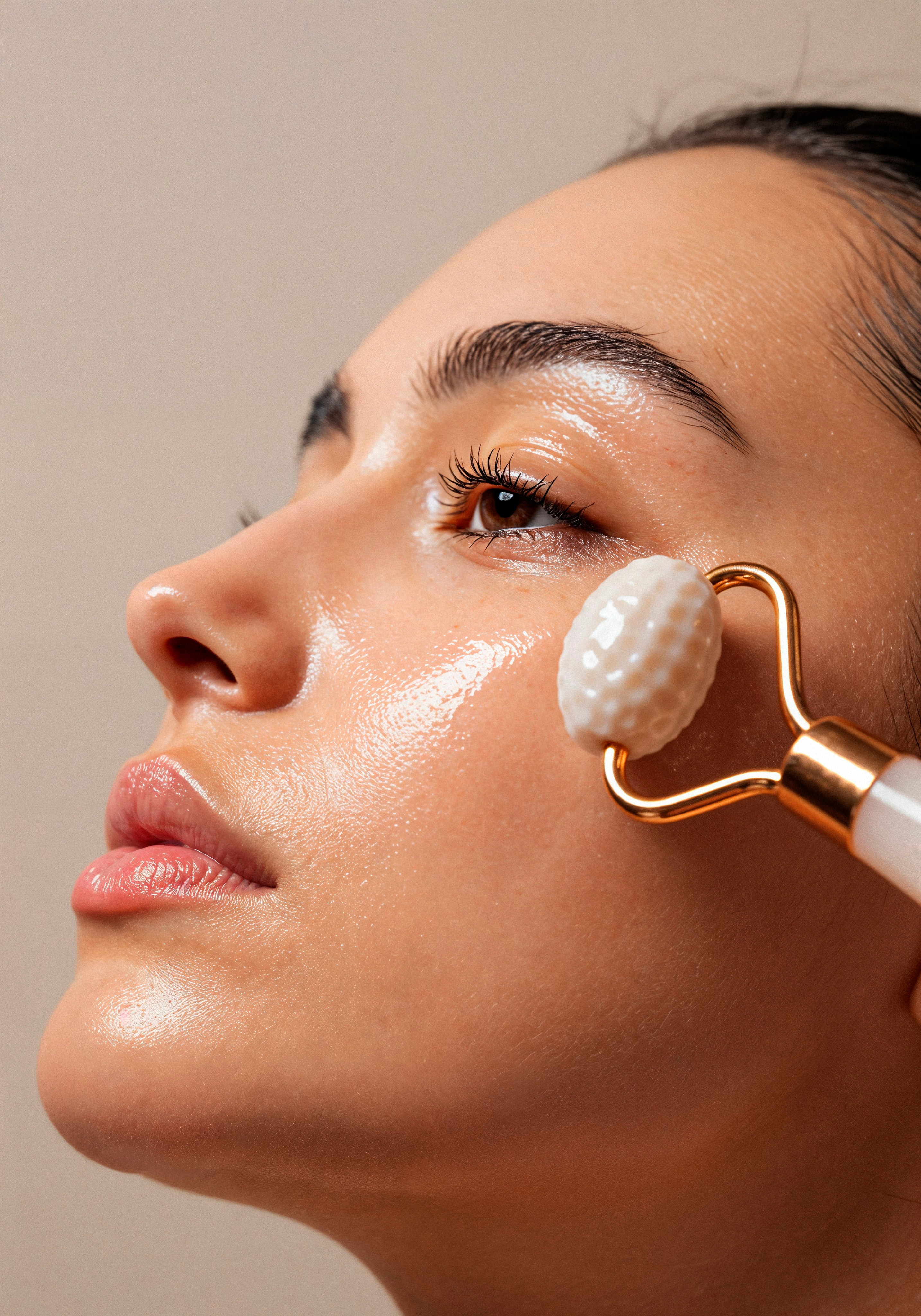
Polynucleotides (Rejuran®), PDRN, multi-ingredient skinboosters (Profhilo, Sunekos, NCTF, Jalupro Hydromax, klardie), and autologous PRP / platelet-derived exosomes improve skin quality from within.

Micro-droplet hyaluronic acid filler (selective)

Micro-droplet hyaluronic acid filler (selective)

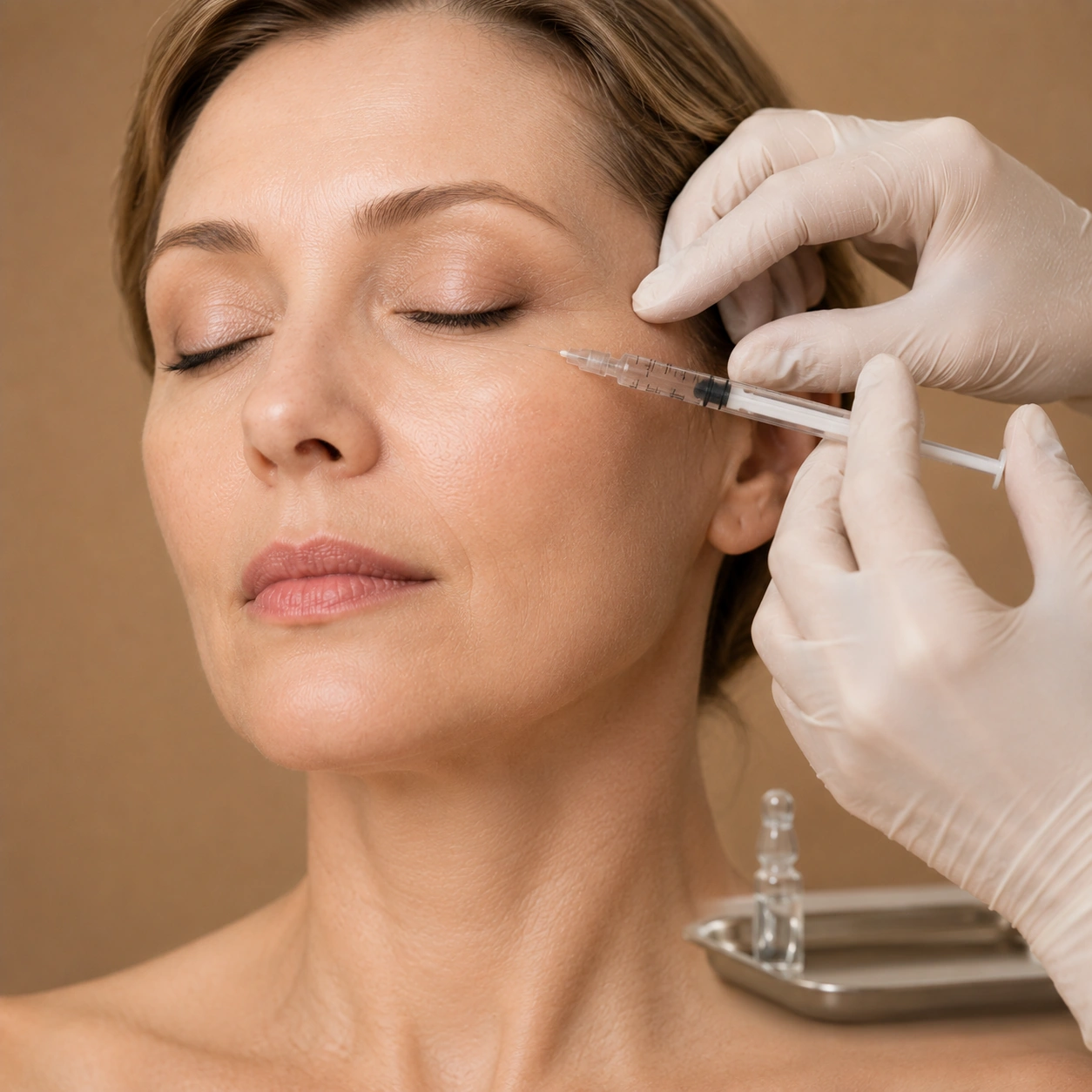
For specific deeply etched necklace lines, very small amounts of soft, flexible HA filler placed using a micro-droplet technique can soften the etched crease — used conservatively, never as bolus injection into the neck tissue.

Superficial muscle-relaxing micro-injections (micro-Botox / mesotherapy-Botox)

Superficial muscle-relaxing micro-injections (micro-Botox / mesotherapy-Botox)

Very small, very superficial doses placed along the lines can ease the micro-folding mechanism where superficial muscle micro-contractions contribute to the lines.

Radiofrequency microneedling

Radiofrequency microneedling

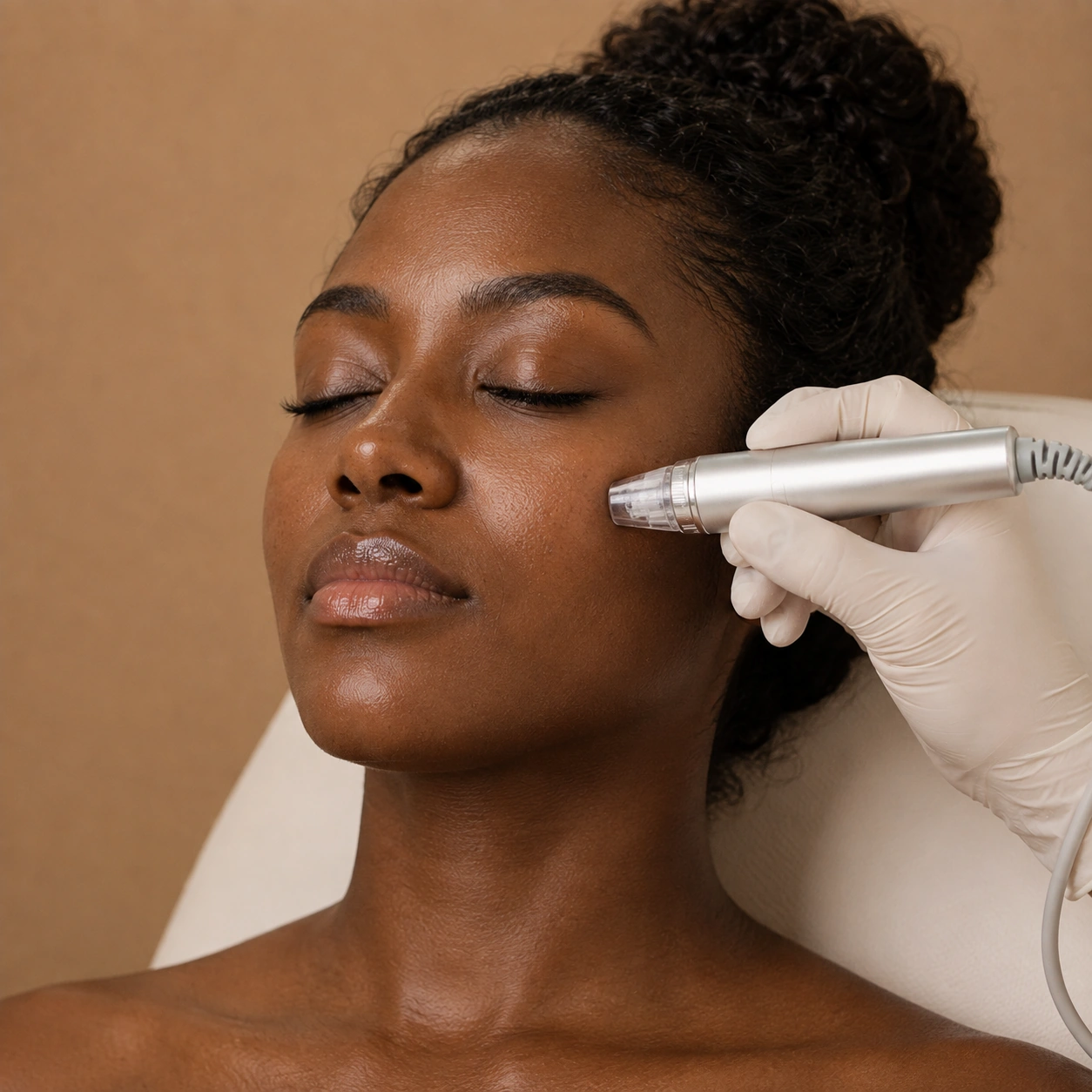
Sylfirm X delivers radiofrequency through fine needles into the dermis to encourage tightening and gradual collagen remodelling — useful where loose neck skin accompanies the lines.

See SkinPen microneedling

Treatment is layered — regenerative skin treatments first, with micro-droplet filler reserved for specific deeply etched lines and superficial muscle-relaxing micro-injections where indicated.

Regenerative skin treatments

  • Best for: Thin, finely creased neck skin
  • Downtime: 1–2 days of small bumps
  • Lasts: Around 6–12 months with a course

For thin, finely creased neck skin, treatments aimed at improving skin quality from within are usually the first step. Polynucleotides (PN) such as Rejuran® are long-chain, highly purified DNA fragments derived from wild salmon (Oncorhynchus keta). Injected superficially into the neck, they are understood to act as a “repair signal” — supporting your fibroblasts to produce more collagen and elastin, helping the skin hold moisture, and gradually improving its thickness and resilience. PDRN is a related compound with shorter chain length and a complementary clinical role. Multi-ingredient skinboosters such as Profhilo, Sunekos, NCTF, Jalupro Hydromax, and klardie deliver hyaluronic acid alongside amino acids, peptides, vitamins, and — in some formulations — DNA-derived components into the dermis to support hydration and overall skin quality. PRP and platelet-derived exosomes (both autologous, derived from the patient’s own platelets) can also support tissue repair. A short course of 2–3 sessions a few weeks apart is typical.

Micro-droplet hyaluronic acid filler (selective)

  • Best for: Specific deeply etched necklace lines
  • Downtime: 1–3 days of mild redness or bumps
  • Lasts: Around 6–12 months in this area

For specific deeply etched necklace lines that have not responded adequately to regenerative treatments, very small amounts of soft, flexible hyaluronic acid (HA) filler placed using a micro-droplet technique can soften the etched crease. The neck is unforgiving to heavy filler, so this is approached very conservatively: tiny volumes placed superficially into specific lines, using the softest and most flexible filler formulations.

Hyaluronic acid filler is reversible — it can be dissolved using an enzyme called hyaluronidase. If you are considering correcting or reversing previous filler, or want to understand more about how filler can be safely removed, see our page on filler removal and dissolving.

See our page on filler removal and dissolving.

Superficial muscle-relaxing micro-injections (micro-Botox / mesotherapy-Botox)

  • Best for: Lines partly driven by superficial muscle micro-contractions
  • Downtime: Minimal — brief redness
  • Lasts: Around 2–3 months

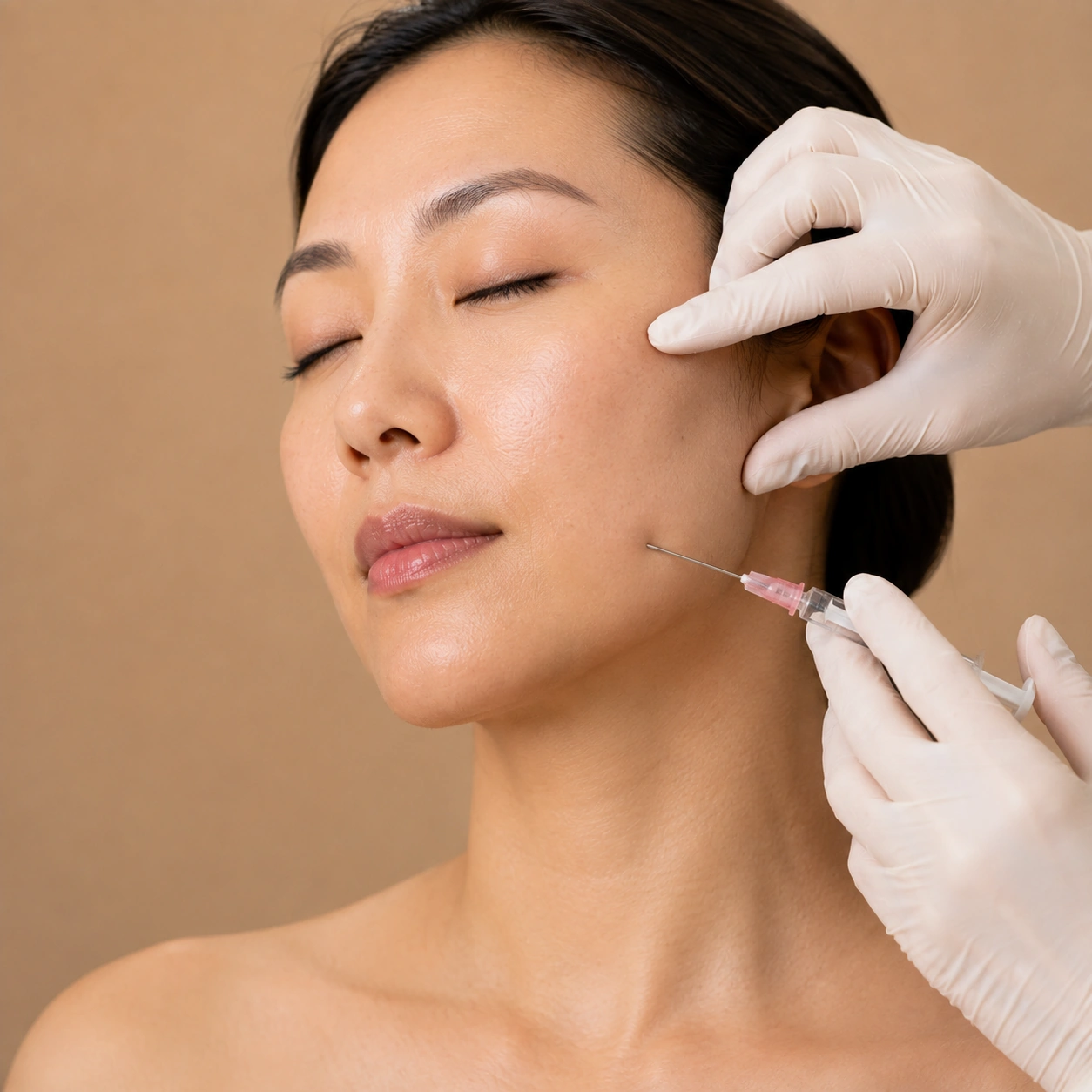
Where the lines are partly driven by superficial muscle micro-contractions in the skin itself, very small, very superficial doses of muscle-relaxing injection placed into the skin along the lines can ease the micro-folding. This is a particular technique sometimes called “micro-Botox” or skin-quality botulinum toxin.

Prescription muscle-relaxing injections work by temporarily reducing the activity of specific muscles, so the skin above them stops folding with each movement. The active ingredient is botulinum toxin type A, a purified protein delivered in very small, precisely placed doses. These are prescription-only medicines in the UK, which means they can only be prescribed and administered by a qualified medical prescriber following a face-to-face consultation. Whether this treatment is suitable for you, and what specific product or dose would be used, is something Dr Garara will discuss with you at consultation. It is not suitable for everyone.

This use of botulinum toxin is what’s known as “off-licence” — established, lawful practice in qualified medical hands, but not specifically licensed by UK regulators for this particular indication. Dr Garara will explain this fully at consultation, including why he considers it appropriate for your case, and will obtain your informed consent before any treatment.

Radiofrequency microneedling

  • Best for: Accompanying neck-skin laxity and overall texture change
  • Downtime: 2–5 days of mild redness
  • Lasts: Long-lasting; collagen remodelling continues for months

For accompanying loose neck skin and overall texture change, radiofrequency microneedling with Sylfirm X delivers controlled radiofrequency energy through fine needles into the dermis to encourage tightening and gradual collagen remodelling.

Treatment for higher Fitzpatrick skin types (IV–VI) requires careful device selection and conservative settings to reduce the risk of post-inflammatory hyperpigmentation or, in some cases, keloid scarring. Dr Garara has particular experience in aesthetic medicine for skin of colour and tailors device choice, energy levels, and treatment intervals accordingly.

Considering treatment for neck wrinkles?

Book a consultation with Dr Bhavin Garara to discuss which combination of treatments would suit your neck.

Book a Consultation
Compare at a glance

Treatments at a Glance

Regenerative skin treatments

Best suited for
Thin, finely creased neck skin
Typical downtime
1–2 days of small bumps
How long results last
Around 6–12 months with a course
What it does
Supports the skin’s collagen production and repair

Micro-droplet HA filler (selective)

Best suited for
Specific deeply etched necklace lines
Typical downtime
1–3 days of mild redness or bumps
How long results last
Around 6–12 months in this area
What it does
Softens a specific etched line — no neck volume change

Superficial micro-injections (muscle-relaxing)

Best suited for
Lines partly driven by superficial muscle micro-contractions
Typical downtime
Minimal — brief redness
How long results last
Around 2–3 months
What it does
Softens the micro-folding mechanism

Radiofrequency microneedling

Best suited for
Accompanying neck-skin laxity and overall texture change
Typical downtime
2–5 days of mild redness
How long results last
Long-lasting; collagen remodelling continues for months
What it does
Tightens and remodels the skin from within

Downtime and duration figures are typical averages only. Individual results vary considerably. Dr Garara will give you a more personalised picture at consultation.

Safety & risk

Is Neck Wrinkle Treatment Safe?

Neck treatments are widely performed but the neck is anatomically demanding — the skin is thin, the area is supplied by branches of the carotid system, and important vascular and nerve structures sit relatively close to the surface. Any injection here, particularly with dermal filler, carries a small but recognised risk of vascular complications. The neck is also unforgiving to heavy filler placement — careful technique, soft filler formulations, and small volumes are essential.

We share this not to alarm you, but because patients deserve full information to make a confident decision. The area should only be treated by an experienced medical practitioner who understands the anatomy, uses safe technique, and is equipped to manage complications immediately if they arise — including the immediate availability of hyaluronidase to reverse hyaluronic acid filler.

Energy-based treatments in the neck carry the same general risks as elsewhere — transient swelling, redness, pigment change, rarely scarring — and benefit from experienced operator technique.

  • Qualified medical practitionerTreatment carried out by an experienced doctor with detailed anatomical training.
  • Reversal agents on handHyaluronidase and other complication-management tools are immediately available.
  • Full informed consentRisks, alternatives, and expected outcomes discussed in detail before any treatment.
Dr Bhavin Garara
Reviewed byDr Bhavin Garara

Frequently Asked Questions

Common questions about treating horizontal neck lines.

Read next

Related Concerns

Horizontal neck wrinkles often appear alongside other neck and décolletage concerns. You may also want to read about:

← All hands, neck and décolletage concerns

For an overview of all the facial concerns we treat, visit our Hands, neck and décolletage hub.

Next step

Ready to take the next step?

Book a consultation with Dr Bhavin Garara.

Book a Consultation

Begin with a proper assessment.

Tell us a little about what you're looking for and we'll match you with the right consultation — at the clinic or virtually.

  • Your enquiry goes directly to Dr Bhavin's team.
  • We'll be in touch within one working day.
  • All consultations are strictly confidential.

This page is for general information and does not constitute medical advice. All treatments require a personal consultation. Suitability, risks, and expected outcomes will be discussed with you in detail before any treatment is carried out.