



Dr Bhavin Garara
HomeContact UsUHai — Analyse My Skin
Joint Pain and Soft Tissue Injury

Joint Pain and Soft Tissue Injury

Joint pain and soft tissue injury can wear you down — a chronic tendinopathy, a knee that has been sore for months, a sports injury that hasn’t settled with rest and rehab. Regenerative medicine offers two options that may be considered as part of a wider plan: autologous Platelet-Rich Plasma (PRP) and autologous platelet-derived exosome injections. The evidence base for these treatments is developing rather than definitive, and outcomes vary considerably between individuals and conditions.

Medically reviewed by Dr Bhavin Garara, GMC 7155707 · Last reviewed: 12 March 2026

Joint pain and soft tissue symptoms can be caused by many different conditions: osteoarthritis, rheumatoid and other inflammatory arthritides, gout, mechanical injury, tendinopathy, bursitis, infection, referred pain, and others. This page is general information, not a diagnosis. If you have ongoing or unexplained joint pain or soft tissue symptoms, the right first step is your GP or an appropriate specialist (orthopaedic surgery, sports and exercise medicine, rheumatology, or physiotherapy). Dr Garara will not offer regenerative treatment for an undiagnosed joint problem and will route you to the appropriate specialist where needed.

What it is

How regenerative medicine can help

Book a Consultation

Joint pain and soft tissue injury can wear you down. Maybe it’s a chronic tendinopathy. Maybe it’s a knee that has been sore for months. Maybe it’s a sports injury that hasn’t settled with rest and the rehab your physio has set you. A lot of people reach a point where they want to know what else might be worth trying alongside the care they’re already getting from their GP, physio, or specialist.

Regenerative medicine offers two options that may be considered as part of that wider plan: autologous Platelet-Rich Plasma (PRP) and autologous platelet-derived exosome injections. Both use biological material drawn from your own body, and both are given by injection. The thinking behind them is to support the body’s own healing processes rather than to mask symptoms. A caveat upfront, though: the evidence base for these treatments is developing rather than definitive, and outcomes vary considerably between individuals and between conditions.

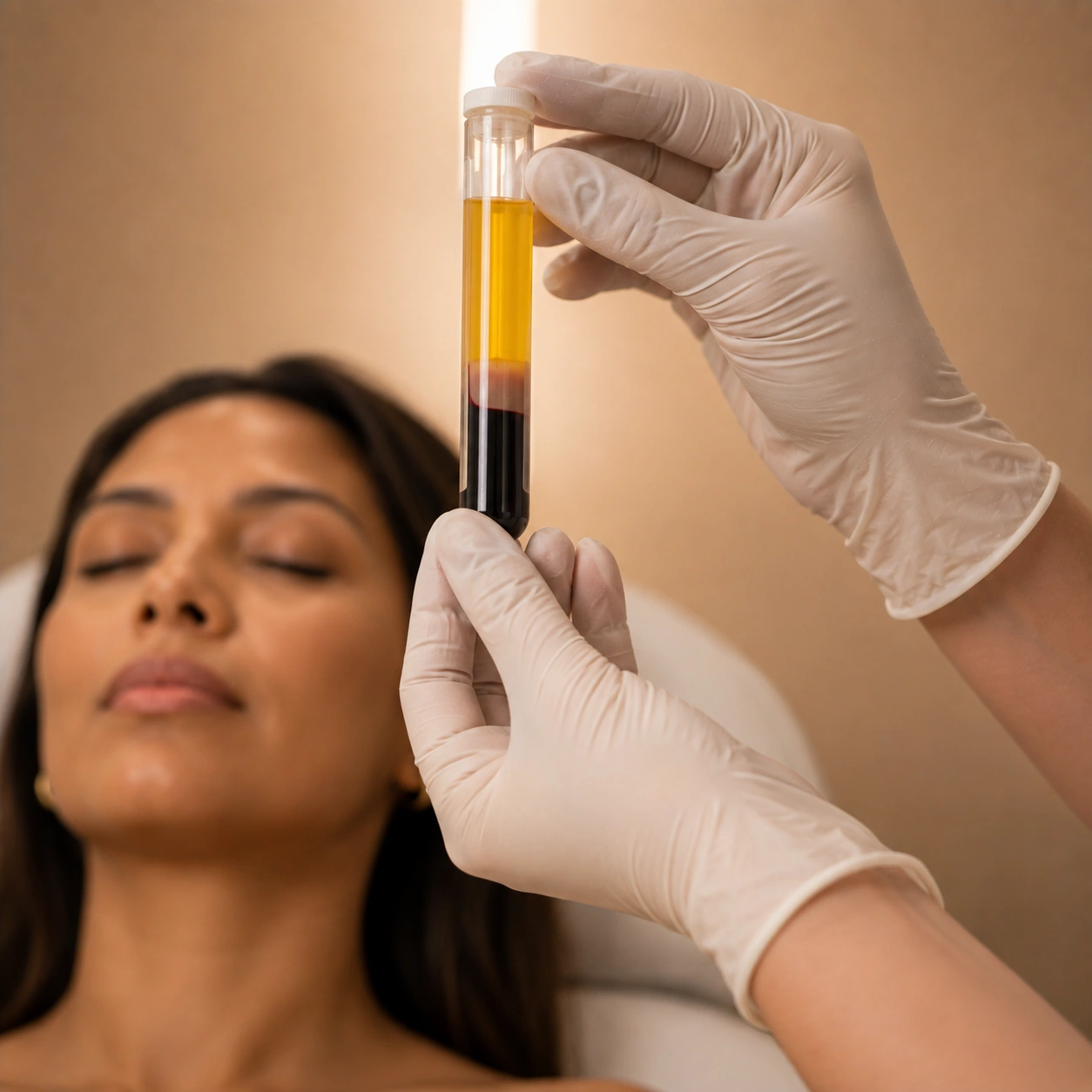
Platelet-Rich Plasma (PRP) is prepared from a small sample of your own blood, processed by centrifugation to concentrate the platelets, and injected into the affected area — usually under ultrasound guidance for joint and tendon work. Published systematic reviews report symptom benefit in selected patients, particularly in chronic tendinopathies such as lateral epicondylitis (“tennis elbow”) and in mild-to-moderate knee osteoarthritis, though outcomes vary by indication, by preparation protocol, and by patient selection, and not all reviews reach the same conclusion.

Platelet-derived exosomes are tiny extracellular vesicles produced by platelets. The autologous preparation used here is derived from your own platelets and administered by injection in a similar way to PRP. Exosomes are a distinct treatment from PRP — different preparation, signalling content, and evidence base — and are not described as “advanced PRP” or “next-generation PRP.” The published clinical evidence for autologous platelet-derived exosomes in musculoskeletal contexts is at an earlier stage than for PRP, with most work to date conducted in laboratory and animal models rather than in human clinical trials.

Both are offered as adjunctive options within personalised care, not as a substitute for diagnosis, primary medical management, or specialist musculoskeletal care.

Side by side

How PRP and exosomes differ from HA and steroid injections

Patients often ask how PRP and platelet-derived exosomes compare with the joint injections more commonly given in orthopaedic and sports medicine. Nothing below is a comparative claim about which approach is “better.” The right intervention depends on your specific diagnosis and circumstances.

Corticosteroid (steroid) injections

A well-established orthopaedic and rheumatology intervention. They work by reducing inflammation in the joint or soft tissue, providing symptomatic relief over a defined period. An orthopaedic or sports medicine specialist is best placed to discuss them in the context of your particular condition.

Hyaluronic acid (HA) injections

Sometimes called viscosupplementation, also an established orthopaedic option used most commonly in knee osteoarthritis. The injected preparation is intended to supplement the joint’s lubricating and cushioning environment.

PRP and platelet-derived exosomes

Autologous biological preparations derived from your own blood. The underlying intent is to support the body’s natural repair signalling rather than to deliver anti-inflammatory medication or supplementary joint fluid. They are not direct substitutes for steroid or HA injection.

For some patients, PRP or exosomes may be considered alongside, before, or after other interventions. For others, a steroid or HA injection given by an orthopaedic clinician is the more appropriate path. Dr Garara will discuss honestly which approach, if any, is likely to suit your situation, and will route you to an orthopaedic, sports medicine, or rheumatology service where that is the right answer.

What causes it

Diagnosis comes first

More than one condition can produce similar symptoms, and some have specific medical treatments that need to be started early.

  1. 1

    Get a diagnosis before treatment

    Dr Garara will not offer regenerative treatment for an undiagnosed joint problem, and will route you to the appropriate specialist where needed.

  2. 2

    When the right first step is your GP or an emergency service

    Undiagnosed joint pain, signs of inflammatory arthritis, suspected fracture, recent significant trauma, suspected infection, or any presentation that needs medical work-up — the appropriate first step is your GP or an emergency service, not this clinic.

  3. 3

    Who can provide the starting-point diagnosis

    A confirmed diagnosis, from your GP, an orthopaedic, sports medicine, or rheumatology specialist, or a physiotherapist who has assessed you, is the starting point for any conversation about regenerative treatment.

Dr Bhavin Garara
Dr Bhavin Garara, MBBS, BMedSci, PGDip
Book a Consultation
Dr Garara's approach

How Dr Bhavin Garara approaches regenerative joint treatment

Dr Garara assesses the diagnosis, symptoms, imaging where available, and current management before considering regenerative treatment. PRP and platelet-derived exosomes are offered as adjunctive options within a wider plan that should usually include guided rehabilitation and any appropriate medical management. Some patients are advised against treatment; that is part of an honest assessment, not a failure of treatment.
  • Anatomy-led assessmentTreatment plans built around your unique facial structure and movement.
  • Personalised planCombinations chosen for your skin, goals, and lifestyle — not a one-size-fits-all protocol.
  • Natural resultsA refreshed, well-rested version of you — never a frozen or over-treated look.

Features

Treatment Options

Autologous Platelet-Rich Plasma (PRP) and autologous platelet-derived exosomes — offered as adjunctive options within personalised care, with evidence-aware framing.

Two regenerative options are offered, both autologous biological preparations from your own platelets — and only following a confirmed diagnosis from your GP or specialist.

Autologous Platelet-Rich Plasma (PRP)

  • Best for: Specific cases assessed at consultation
  • Downtime: Autologous preparation derived from your own platelets, administered by injection
  • Lasts: Predominantly preclinical evidence (laboratory and animal studies); not equivalent to established efficacy in humans

PRP is prepared from a small sample of your own blood. After the blood is drawn, usually from the arm in the same way as a routine blood test, it is placed in a centrifuge, which separates its components by spinning. The platelet-rich layer is then drawn off and injected, typically under ultrasound guidance, into the joint or soft tissue area being treated.

Platelets carry a range of growth factors involved in normal tissue healing, and the underlying idea behind PRP is to deliver a concentrated dose of these signalling proteins directly to the area of concern. Published systematic reviews have investigated PRP as an adjunctive option for chronic tendinopathies, including lateral epicondylitis (“tennis elbow”), patellar tendinopathy, and Achilles tendinopathy, alongside guided rehabilitation, with outcomes that vary between studies. For lateral epicondylitis specifically, several systematic reviews report meaningful pain and functional improvement, particularly at longer follow-up. For Achilles tendinopathy, results are mixed: observational studies suggest functional improvement, while higher-quality randomised trials are less consistent in supporting a significant benefit over loading rehabilitation alone.

For intra-articular PRP in mild-to-moderate knee osteoarthritis, published systematic reviews and meta-analyses report symptomatic improvement in pain and function for some patient groups, with effects observed at 6 and 12 months in some analyses; other reviews conclude that the effect on pain and function is weak and the clinical relevance is debatable. The studied effect is on symptoms rather than on the underlying structural disease. The UK National Institute for Health and Care Excellence (NICE) has issued specific guidance on PRP injections for knee osteoarthritis, concluding that current evidence raises no major safety concerns but that evidence on efficacy is limited in quality, and that the procedure should only be used with special arrangements for clinical governance, consent, and audit or research.

Because PRP is autologous (made from your own blood), it carries the safety profile of an autologous biological injection rather than that of a manufactured medicine. The clinic uses PRP as one option within a wider care plan that should usually include a confirmed diagnosis, guided rehabilitation, and any appropriate medical management. A typical course involves a small number of sessions, with specific protocol decisions made at consultation.

Autologous platelet-derived exosomes

  • Best for: Specific cases assessed at consultation
  • Downtime: Autologous preparation derived from your own platelets, administered by injection
  • Lasts: Predominantly preclinical evidence (laboratory and animal studies); not equivalent to established efficacy in humans

Exosomes are small extracellular vesicles that cells release to communicate with one another. Platelet-derived exosomes are those produced by platelets, and the autologous preparation offered here is derived from your own platelets and administered by injection in a similar way to PRP.

The published clinical evidence base for autologous platelet-derived exosomes in musculoskeletal indications is at an earlier stage than for PRP. Most of the published work to date is preclinical: laboratory studies showing effects on chondrocytes and animal models suggesting cartilage and joint protection, rather than randomised clinical trials in humans.

Dr Garara will explain the current evidence position honestly at consultation, including the limitations and the fact that earlier-stage evidence means a less certain picture of what to expect. As with PRP, exosomes are offered as part of personalised care rather than as a licensed treatment for any specific condition, and informed consent is obtained before any treatment.

Considering regenerative treatment for joint pain or soft tissue injury?

Book a consultation with Dr Bhavin Garara for an honest discussion of whether either option might suit your situation.

Book a Consultation
Compare at a glance

Treatments at a Glance

Autologous PRP

Best suited for
Selected patients with chronic tendinopathy (particularly lateral epicondylitis) or mild-to-moderate knee osteoarthritis
Typical downtime
Blood draw, centrifugation, ultrasound-guided injection into the affected area
How long results last
Published systematic reviews report symptom benefit in selected patients; outcomes vary between studies and patients; NICE notes evidence on efficacy is limited in quality
What it does
1 to 3 days of localised soreness; a temporary flare in the first week is not unusual

Autologous platelet-derived exosomes

Best suited for
Specific cases assessed at consultation
Typical downtime
Autologous preparation derived from your own platelets, administered by injection
How long results last
Predominantly preclinical evidence (laboratory and animal studies); not equivalent to established efficacy in humans
What it does
1 to 3 days of localised soreness

The figures above are typical averages from the literature and clinical experience. Individual response varies considerably depending on diagnosis, severity, treatment protocol, and rehabilitation. Dr Garara will give a more personalised picture at consultation.

Safety & risk

Is Treatment Safe?

PRP and platelet-derived exosome injections are widely performed in regenerative-medicine clinics in the UK and internationally, and are generally well tolerated as injection procedures. NICE guidance on PRP for knee osteoarthritis specifically notes that current evidence raises no major safety concerns. The risks are those of joint or soft tissue injection more generally: joint infection (rare but serious), a transient post-injection flare, bruising and soreness at the injection or blood-draw site, bleeding risk for patients on anticoagulants, and the real possibility that an individual patient experiences no clinical benefit.

Dr Garara will discuss the specific risks and safety protocols in detail at consultation.
  • Qualified medical practitionerTreatment carried out by an experienced doctor with detailed anatomical training.
  • Reversal agents on handHyaluronidase and other complication-management tools are immediately available.
  • Full informed consentRisks, alternatives, and expected outcomes discussed in detail before any treatment.
Dr Bhavin Garara
Reviewed byDr Bhavin Garara

Frequently asked questions

Common questions about regenerative treatment for joint pain and soft tissue injury.

Read next

Related Concerns

Joint pain and soft tissue injury connect to broader regenerative medicine. You may also want to read about:

← All body concerns

For an overview of all the facial concerns we treat, visit our Body treatments hub.

Next step

Ready to take the next step?

Book a consultation with Dr Bhavin Garara for an honest discussion of whether regenerative treatment is right for your specific situation.

Book a Consultation

Begin with a proper assessment.

Tell us a little about what you're looking for and we'll match you with the right consultation — at the clinic or virtually.

  • Your enquiry goes directly to Dr Bhavin's team.
  • We'll be in touch within one working day.
  • All consultations are strictly confidential.

This page is for general information and does not constitute medical advice. All treatments require a personal consultation. Suitability, risks, and expected outcomes will be discussed with you in detail before any treatment is carried out. Joint pain and soft tissue injury are medical concerns and benefit from diagnosis by a GP or appropriate specialist before regenerative treatment is considered.