


Pigmentation - Melasma
What is melasma?
Reduce stubborn facial pigmentation
Melasma is a chronic pigmentation condition in which excess melanin is produced and unevenly deposited in the skin, leading to patchy brown or grey discolouration, most often on the face. It is triggered by factors like ultraviolet exposure, hormonal influences, inflammation, and vascular changes, all of which can overstimulate melanocytes and disrupt normal pigment regulation. At Dr Bhavin's practice, your treatment focuses on identifying these underlying drivers and addressing them through a layered plan that restores skin health and balance.

Conditions
Signs and symptoms of Melasma
Quick Overview
Treatment at a Glance
Key facts about this procedure to help you understand what to expect before, during, and after your treatment.
Book a ConsultationTreatment time
30 - 60 minutes
Recovery time
Mild peeling for 3-5 days
Anaesthesia
None required
Results duration
Long-lasting with sun protection
Discomfort level
Mild tingling
Aftercare
Strict sun avoidance. SPF 50+ daily. Follow skincare plan
The Real Benefits of Choosing Our Cosmetic Solutions
Gradual reduction in visible pigmentation and uneven skin tone
Improved clarity, brightness, and overall skin radiance
Regulation of melanin production at a cellular level
Targeting of both pigment and underlying vascular triggers
Strengthening of the skin barrier to reduce sensitivity and flare-ups
Enhanced effectiveness of medical-grade skincare products
Smoother skin texture through increased cellular turnover
Personalised, long-term approach to minimise recurrence
Improved confidence in your skin with a more consistent tone
Your melasma treatment with Dr Garara
Preventative strategies: Long-term control of pigmentation begins with reducing ongoing stimulation of melanocytes. Your plan will include daily photoprotection with broad-spectrum SPF, pigmentation supplements such as tranexamic acid, and tyrosinase inhibitors such as hydroquinone, tranexamic acid, azelaic acid, and thiamidol to block the pathway responsible for melanin production.
Prescription topical therapy: Prescription-strength formulations, including retinoids and hydroquinone, are used to regulate pigment at a cellular level. Retinoids increase skin cell turnover, encouraging the shedding of pigmented cells, while hydroquinone suppresses melanin production. Together, they help fade pigmentation and prevent further accumulation.
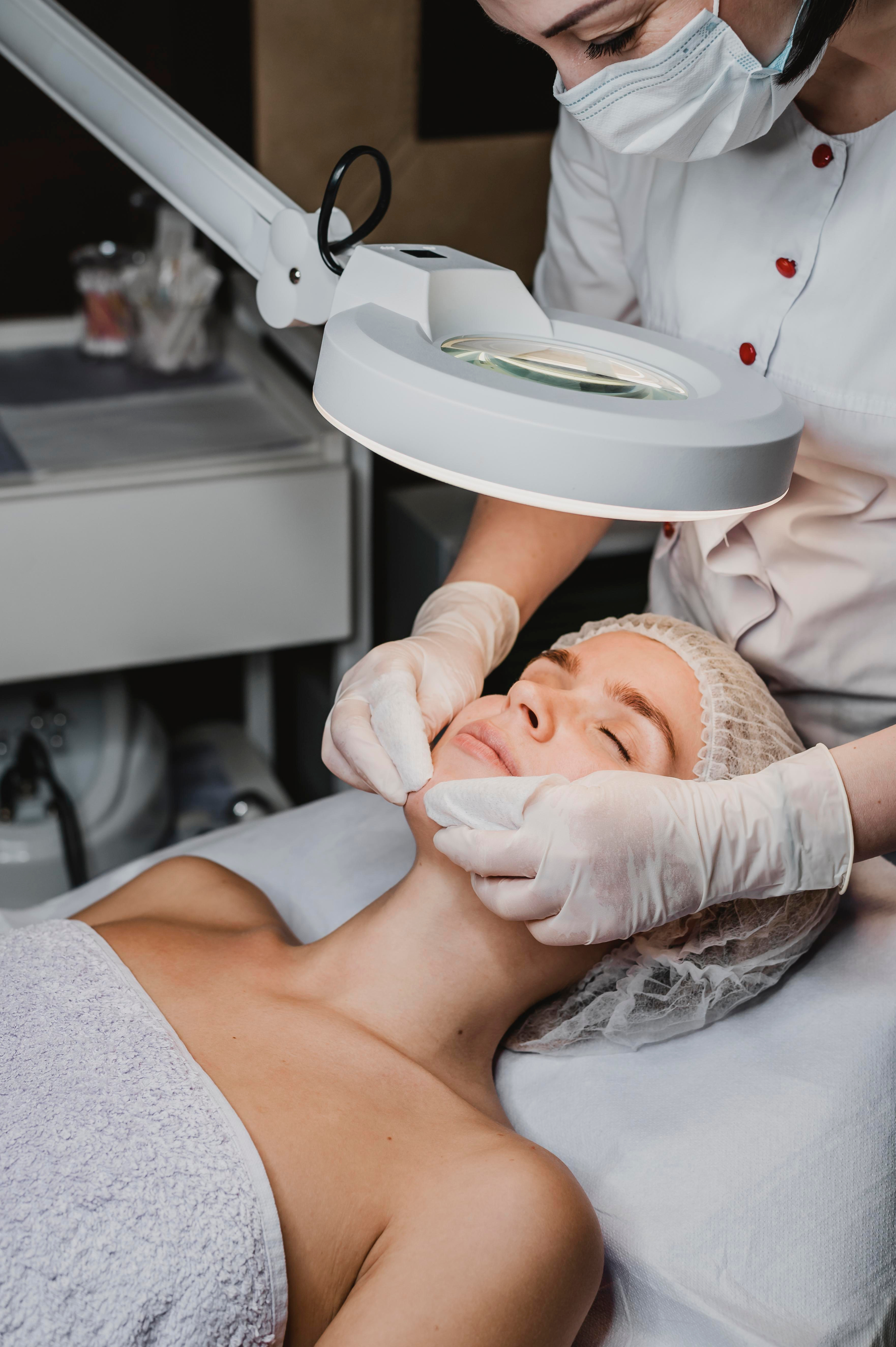
Chemical peels and Microneedling: Chemical peels use carefully selected acids to exfoliate the upper layers of the skin, remove accumulated pigment, and stimulate regeneration. Microneedling creates controlled micro-injuries while forming channels that allow tyrosinase inhibitors to penetrate more deeply, enhancing treatment efficacy for stubborn or deeper pigmentation.
Sylfirm X and Laser therapies: Sylfirm X combines microneedling with radiofrequency energy to target pigment and vascular components of melasma. Picosure Pro delivers ultra-short pulses of energy that shatter pigment into microscopic particles. Vascular lasers such as Derma V target abnormal blood vessels that stimulate melanocytes, reducing signals that drive excess pigment production.



Expert skin analysis
from anywhere
Explore FAQs on Pigmentation - Melasma
Find answers to common questions about pigmentation - melasma.
Begin with a proper assessment.
Tell us a little about what you're looking for and we'll match you with the right consultation — at the clinic or virtually.