
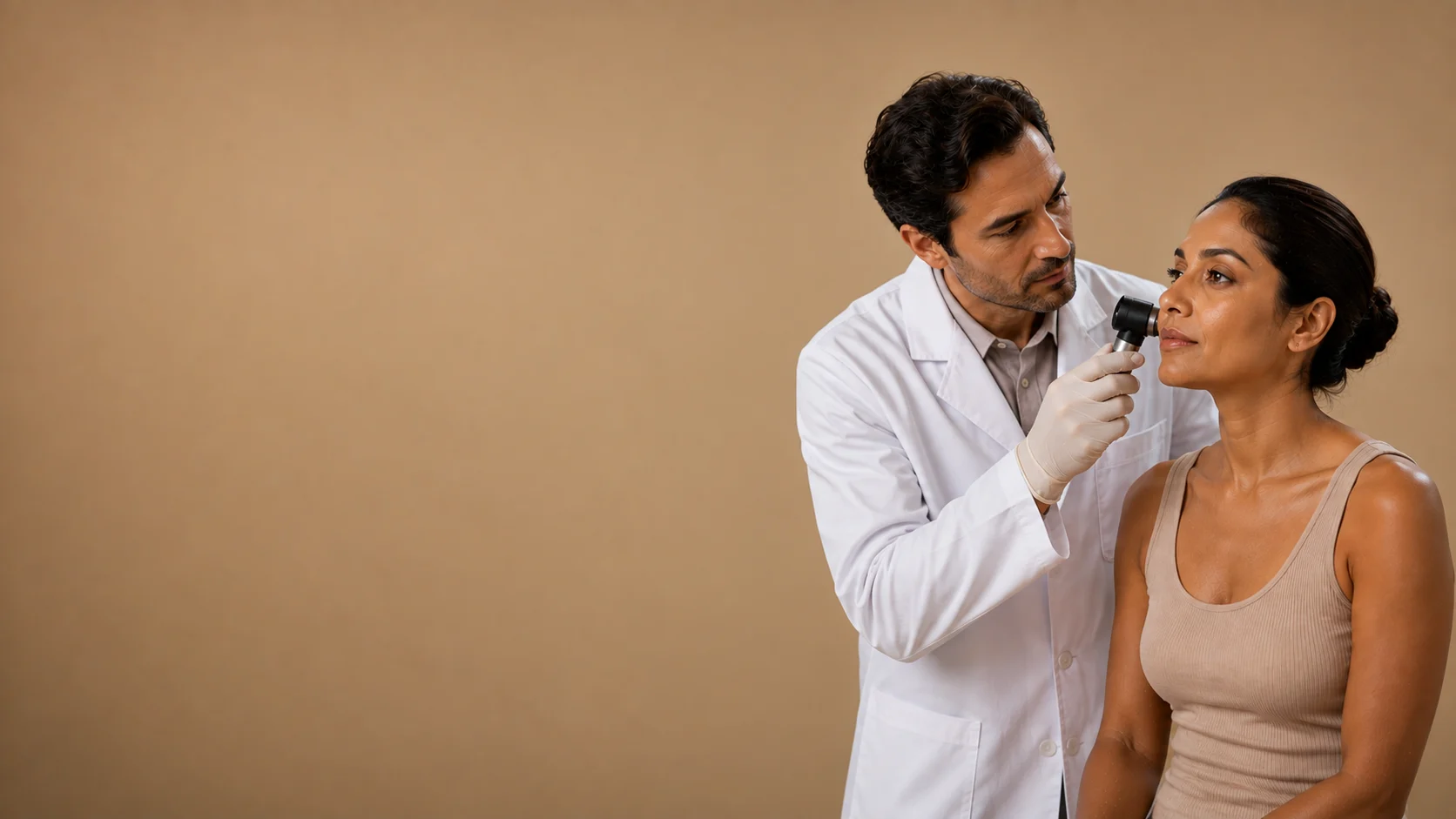

Hands, Neck and Décolletage
Hands, Neck and Décolletage Concerns
The hands are frequently exposed to sunlight and environmental stress, which accelerates visible ageing. Over time, ultraviolet damage can lead to pigmentation, age spots, uneven tone, and thinning skin. The neck is particularly prone to developing crepey, delicate skin because it contains fewer oil glands and experiences constant movement.
The decolletage is one of the most sun-exposed areas of the body, yet it is often overlooked in daily skincare routines. Years of ultraviolet exposure can disrupt normal pigment production and weaken collagen fibres, resulting in uneven pigmentation, sun spots, wrinkles, and textural changes. Dr Garara carefully evaluates your skin quality, structural support, sun damage, and collagen integrity across the hands, neck, and decolletage.
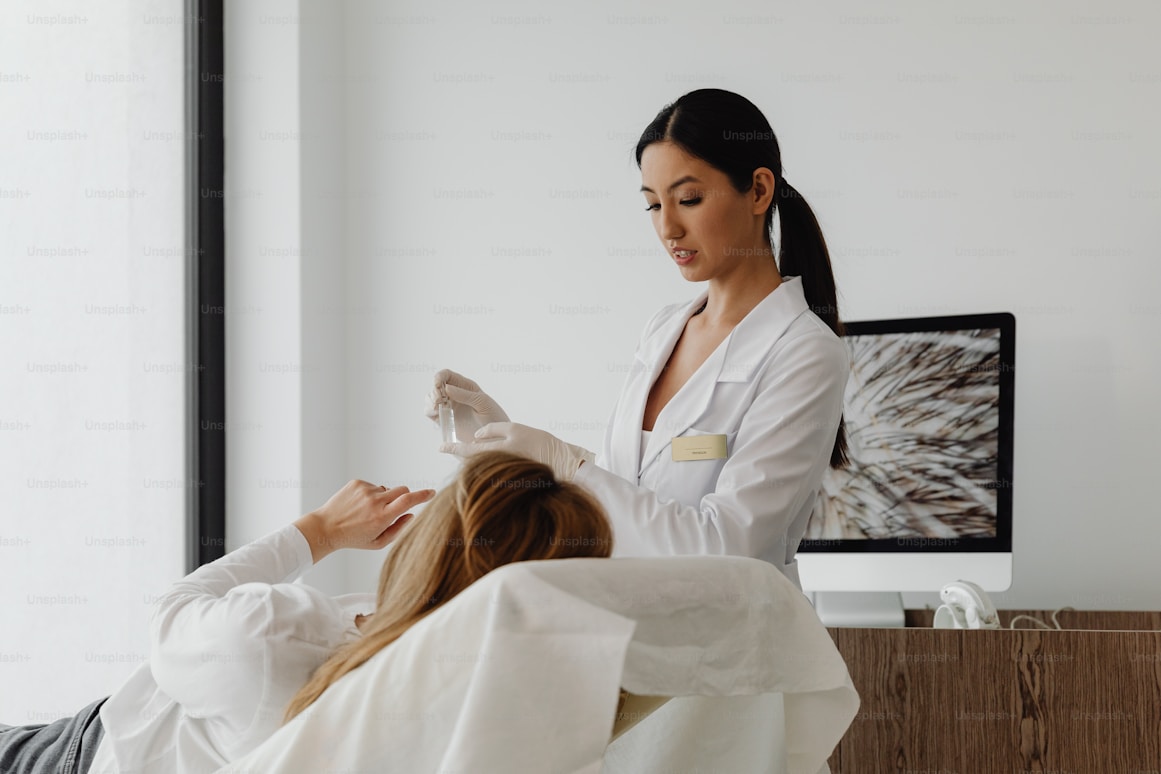
Conditions
Signs and symptoms of ageing on the hands, neck and décolletage:
Quick Overview
Treatment at a Glance
Key facts about this procedure to help you understand what to expect before, during, and after your treatment.
Book a ConsultationTreatment time
30 - 60 minutes
Recovery time
Minimal to 5 days
Anaesthesia
Topical numbing cream
Results duration
6 - 18 months
Sessions needed
2 - 4 sessions for optimal results
Aftercare
SPF protection essential. Gentle moisturising routine
The Real Benefits of Choosing Our Cosmetic Solutions
Improved skin texture and smoothness
Reduction in crepey, thin skin
Restoration of lost volume in the hands
Brighter, more even skin tone
Reduction in sun damage and pigmentation
Firmer, more resilient skin structure
Stimulation of natural collagen production
Enhanced hydration and skin quality
Smoother appearance of neck lines
Comprehensive rejuvenation across multiple ageing concerns
Your hands, neck and décolletage treatment with Dr Garara
Dr Garara carefully evaluates your skin quality, structural support, sun damage, and collagen integrity across the hands, neck, and décolletage. Because these areas age differently from the face, he studies factors like thinning skin, pigmentation, laxity, and volume loss to understand the biological causes of your concerns. From there, he designs a personalised, multi-layered treatment plan to address both surface damage and deeper structural ageing.
Neuromodulators
Neuromodulators like Botox work by relaxing specific muscles that contribute to dynamic lines, particularly horizontal neck lines and platysmal bands that develop with muscle movement. These temporarily reduce the release of signals between nerves and muscles, allowing the skin to smooth and soften. As part of a broader rejuvenation plan, neuromodulators help reduce movement-related wrinkling, while complementary treatments focus on restoring collagen, hydration, and overall skin quality.
Skin boosters
Skin boosters like Sunekos and Profhilo are injectables that deeply hydrate and improve skin quality rather than change facial shape or structure. They typically contain hyaluronic acid, a naturally occurring molecule that attracts and retains water within the skin. By improving hydration within the dermis, skin boosters enhance elasticity, smooth fine lines and wrinkles, and restore a healthy glow. In Dr Garara's approach, they help strengthen fragile, crepey skin over time.
Fillers
Dermal fillers are used primarily to restore volume where ageing has caused structural loss, particularly in the hands. Most fillers are made from hyaluronic acid, a substance naturally found in the body that provides hydration and support within the skin. When strategically placed, fillers replenish lost volume, soften the appearance of tendons and veins, and improve smoothness. They help restore structural balance while other treatments improve skin quality.
Biostimulators
Biostimulators like Radiesse work differently from traditional fillers. Rather than simply adding volume, they stimulate the body's collagen production over time. These injectables introduce biocompatible compounds that activate fibroblasts, the cells responsible for producing collagen and elastin. As collagen gradually rebuilds, the skin becomes thicker, firmer, and more resilient. Biostimulators are often used to strengthen ageing skin on the neck and décolletage.
Polynucleotides
Polynucleotides are regenerative injectables that support skin repair at a cellular level. Derived from purified DNA fragments, they help stimulate tissue regeneration, improve microcirculation, and reduce skin inflammation. These compounds encourage fibroblast activity and enhance the skin's ability to repair itself, leading to improved elasticity, hydration, and skin health. In delicate areas such as the neck and décolletage, polynucleotides help restore resilience.
Sylfirm X (RF microneedling)
RF microneedling combines traditional microneedling with radiofrequency energy to stimulate deeper skin regeneration. Tiny needles create controlled micro-injuries within the skin while RF heat is delivered into the dermis. This activates collagen production and tightens existing fibres. Over time, the skin becomes firmer, smoother, and more resilient. RF microneedling helps address skin laxity and texture concerns across the neck and décolletage.
Laser skin resurfacing
Laser resurfacing technologies such as Multifrax and UltraClear target both pigmentation and collagen loss caused by sun damage. These devices deliver controlled energy into the skin to stimulate cellular renewal and collagen remodelling. As new skin cells replace damaged ones, pigmentation improves, and skin texture becomes smoother. Laser resurfacing helps restore brightness and structural quality to sun-exposed areas such as the hands and décolletage.

Expert skin analysis
from anywhere
Explore FAQs on Hands, Neck and Décolletage
Find answers to common questions about hands, neck and décolletage.
Begin with a proper assessment.
Tell us a little about what you're looking for and we'll match you with the right consultation — at the clinic or virtually.