



Dr Bhavin Garara
HomeContact UsUHai — Analyse My Skin
Jowls

Jowls

Jowls are the soft-tissue accumulation along the lower jawline that develops as mid-face fat descends and skin loses elasticity. They blur the line between the lower face and the neck, often producing a heavier or squarer look. Effective non-surgical treatment is typically “top-down” — restoring support in the mid-face so descended tissue is lifted back into position, then tightening the skin along the jawline. Where ptosis is significant, surgical referral is the right answer.

Medically reviewed by Dr Bhavin Garara, GMC 7155707 · Last reviewed: 20 April 2026

What it is

What Are Jowls?

Book a Consultation

Mid-face support comes from a network of fat pads, ligaments, and bone. With age all three change: fat pads lose volume and slide downward, ligaments loosen, and bone subtly remodels. Tissue that used to sit high on the cheek migrates down and accumulates along the lower jawline, breaking the clean edge of the mandible and forming the jowl. The skin envelope above usually also slackens at the same time, which makes the descent more visible.

Dr Bhavin Garara’s approach is foundational — restore the mid-face support that has been lost, soften the muscular forces pulling downward, and tighten the skin along the jaw. The result should be a softened, lifted lower face, not an obviously treated one.

What causes it

What Causes Jowls?

  1. 1

    Mid-face volume loss

    The malar fat pad loses volume and slides downward over years; the ligaments that anchor it loosen. This is the central anatomical driver of jowling for most patients.

  2. 2

    Bone resorption

    The mandible and maxilla gradually lose volume over decades, reducing the bony scaffolding that holds the soft tissue in position.

  3. 3

    Skin elasticity loss

    Collagen and elastin decline with age and UV damage allow the skin envelope to drape more loosely over any descended tissue.

  4. 4

    Platysmal pull

    The platysma muscle of the neck can pull downward on the lower face, accentuating the jowl edge — see our neck bands page.

  5. 5

    Genetics and weight changes

    Family pattern shapes how the mid-face ages. Significant weight loss can leave more skin than the underlying tissue can support, accelerating the visible jowl.

Dr Bhavin Garara
Dr Bhavin Garara, MBBS, BMedSci, PGDip
Book a Consultation
Dr Garara's approach

How Dr Bhavin Garara Treats Jowls

The plan is usually structured top-down: support the mid-face first, then tighten and refine the jawline area.

At the clinics in London, Dr Garara assesses the position of the mid-face fat pads, the support of the cheekbone and lateral face, the elasticity of the lower-face skin, the activity of the platysmal pull, and the relationship between the jowl edge and the chin and neck.

  • Anatomy-led assessmentTreatment plans built around your unique facial structure and movement.
  • Personalised planCombinations chosen for your skin, goals, and lifestyle — not a one-size-fits-all protocol.
  • Natural resultsA refreshed, well-rested version of you — never a frozen or over-treated look.

Features

Treatment Options for Jowls

Top-down: rebuild mid-face support, then tighten the skin along the jawline. Direct fold filler used very selectively.

Mid-face structural support

Mid-face structural support

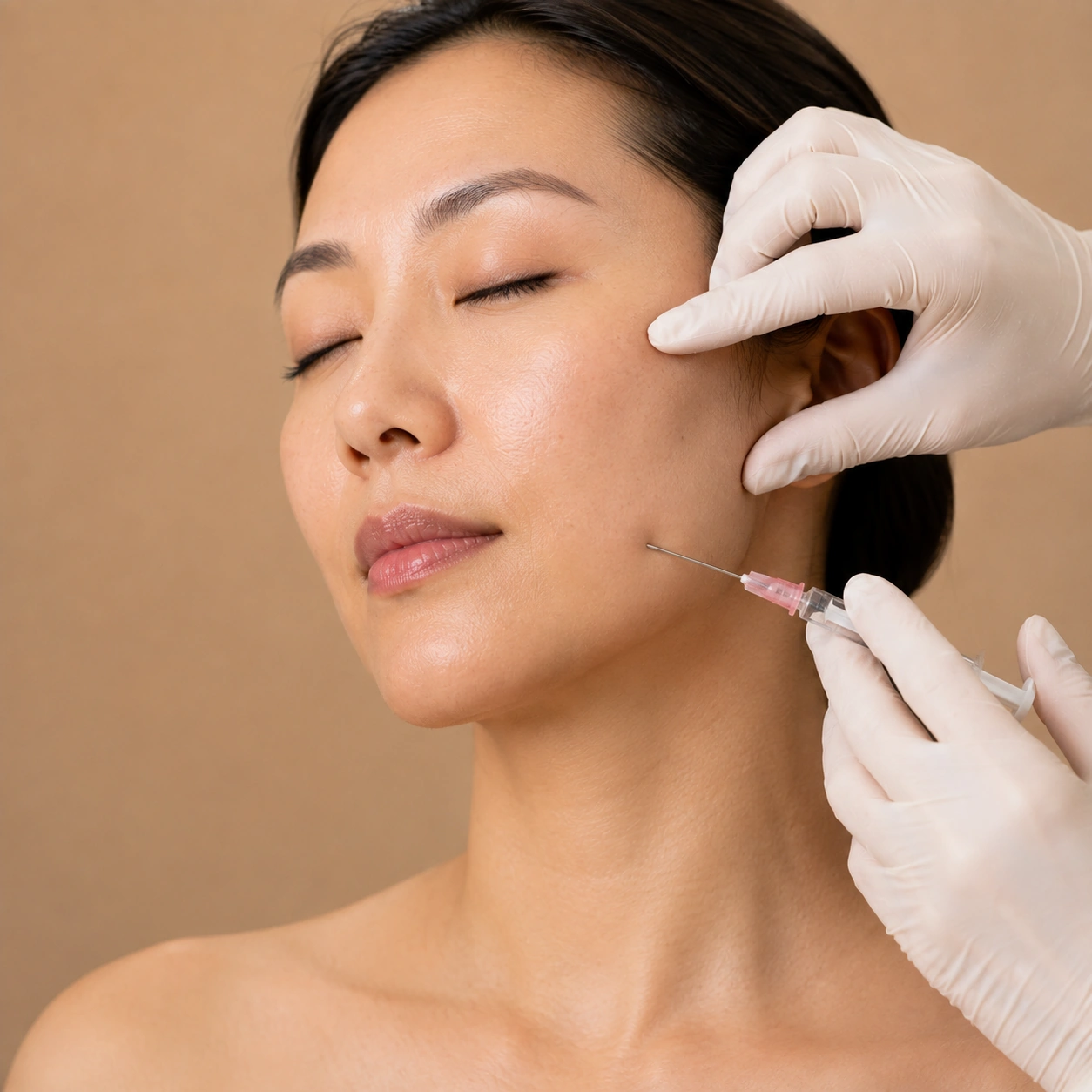
Rebuild support over the cheekbone with HA filler (reversible) or collagen biostimulators (PLLA / CaHA, building collagen over weeks and months).

Seffiller — autologous regenerative (selective)

Seffiller — autologous regenerative (selective)

Clinic-specific autologous fat-grafting. For selected patients with significant lower-face volume loss.

Radiofrequency microneedling

Radiofrequency microneedling

Sylfirm X delivers radiofrequency through fine needles along the jaw to encourage tightening and collagen remodelling.

See SkinPen microneedling
Nefertiti lift — prescription muscle-relaxing injections

Nefertiti lift — prescription muscle-relaxing injections

Where platysmal pull contributes to jowl prominence, micro-doses along the lower jaw and into the platysma ease the downward pull. Off-licence use.

Pre-jowl sulcus support (selective)

Pre-jowl sulcus support (selective)

Where there is a clear hollow just in front of the jowl, very small amounts of HA filler can soften the visual edge. Used very selectively.

Surgical referral

Surgical referral

For significant ptosis or skin redundancy that cannot reasonably be addressed non-surgically, a surgical consultation (facelift / neck lift) is appropriate. The clinic does not perform surgery.

Treatment leads with mid-face support so descended tissue is repositioned upward, then tightens the skin along the jawline. Filler placed directly into the jowl is avoided — it makes the lower face heavier rather than lifted.

Mid-face structural support

  • Best for: Mid-face volume loss producing descent into the jaw
  • Downtime: 1–4 days of swelling
  • Lasts: Around 12–18 months

The first move in most plans is to rebuild support over the cheekbone and in the lateral face so descended tissue is repositioned upward. Options include:

  • Hyaluronic acid (HA) filler placed deep on the bone, reversible with hyaluronidase if needed.
  • Collagen biostimulators — PLLA or CaHA preparations including HA + CaHA hybrids — building collagen over weeks and months.

Hyaluronic acid filler is reversible. See our filler removal and dissolving page.

Seffiller — autologous regenerative (selective)

  • Best for: Selected patients with significant lower-face volume loss
  • Downtime: 5–10 days of swelling
  • Lasts: Variable — a proportion integrates and lasts; results vary

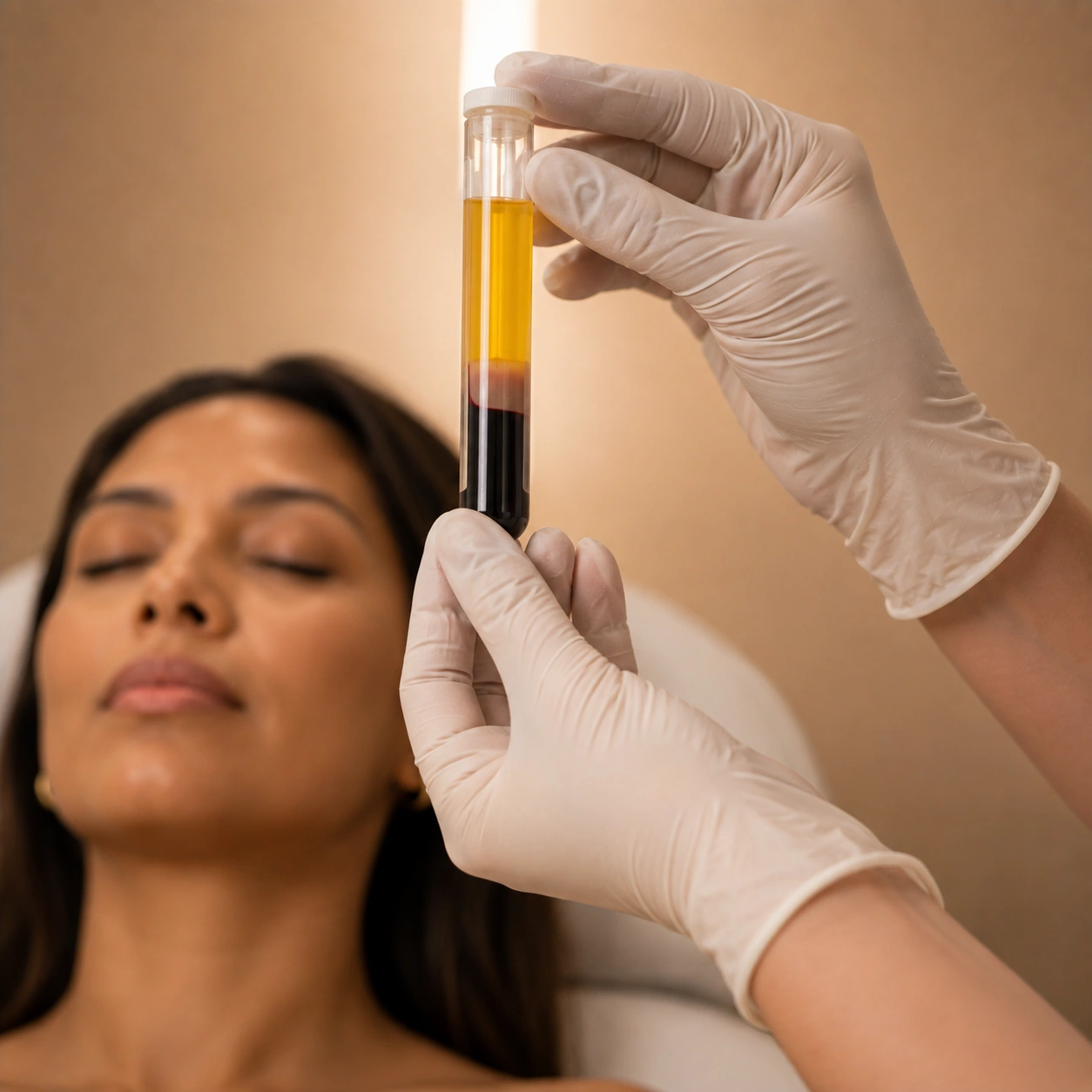
For selected patients, Seffiller (the clinic’s autologous fat-grafting treatment) can rebuild mid-face support using the patient’s own tissue. A proportion of the transferred fat integrates and provides long-lasting volume; results vary between individuals.

Radiofrequency microneedling

  • Best for: Mild to moderate jowling with skin laxity
  • Downtime: 2–5 days of redness
  • Lasts: Long-lasting; collagen remodelling continues for months

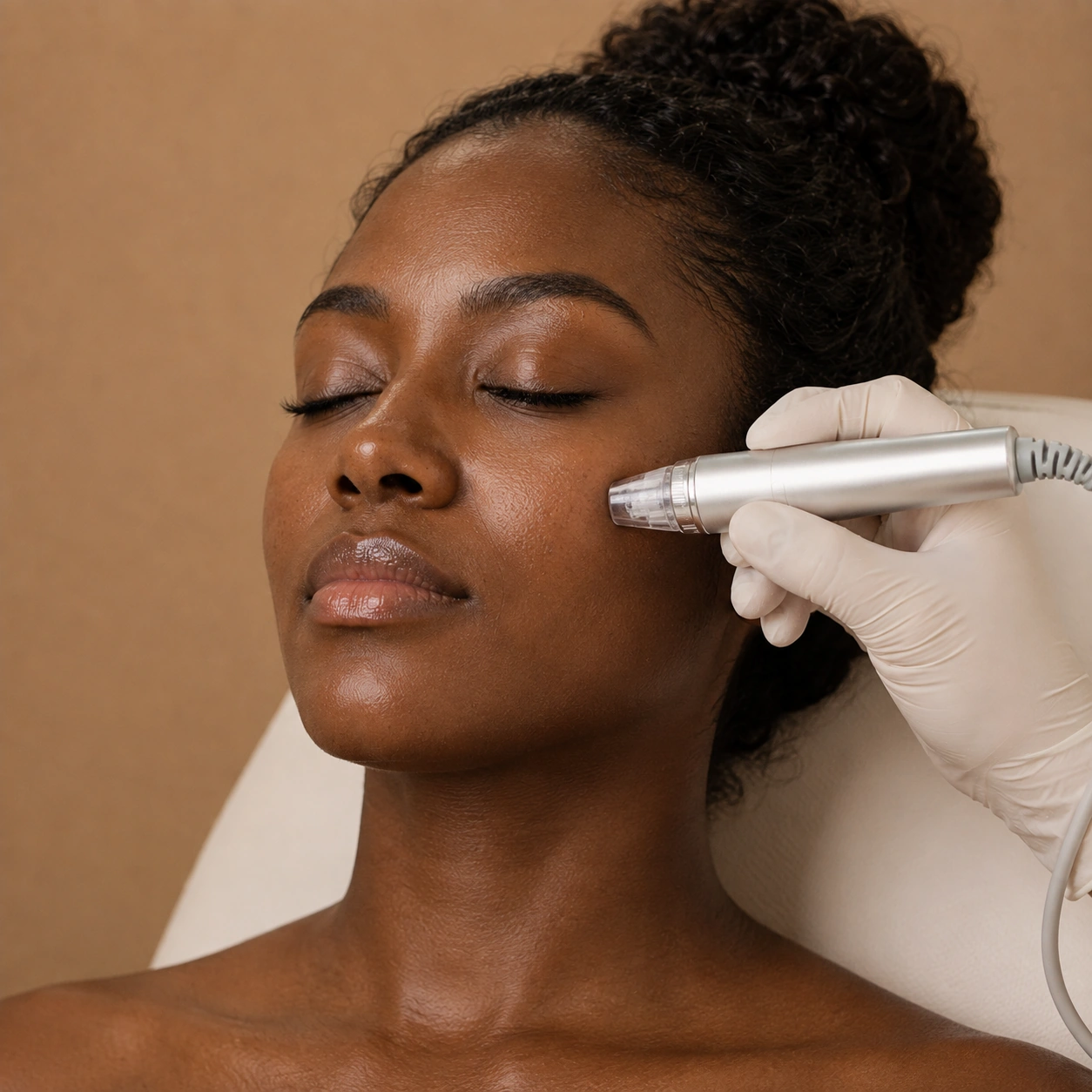
Sylfirm X delivers radiofrequency energy through fine needles into the dermis along the jaw to encourage tightening and collagen remodelling. Treatment for higher Fitzpatrick skin types requires careful device selection and conservative settings.

Nefertiti lift — prescription muscle-relaxing injections

  • Best for: Platysmal pull aggravating the jowl edge
  • Downtime: None — brief redness
  • Lasts: Around 3–4 months

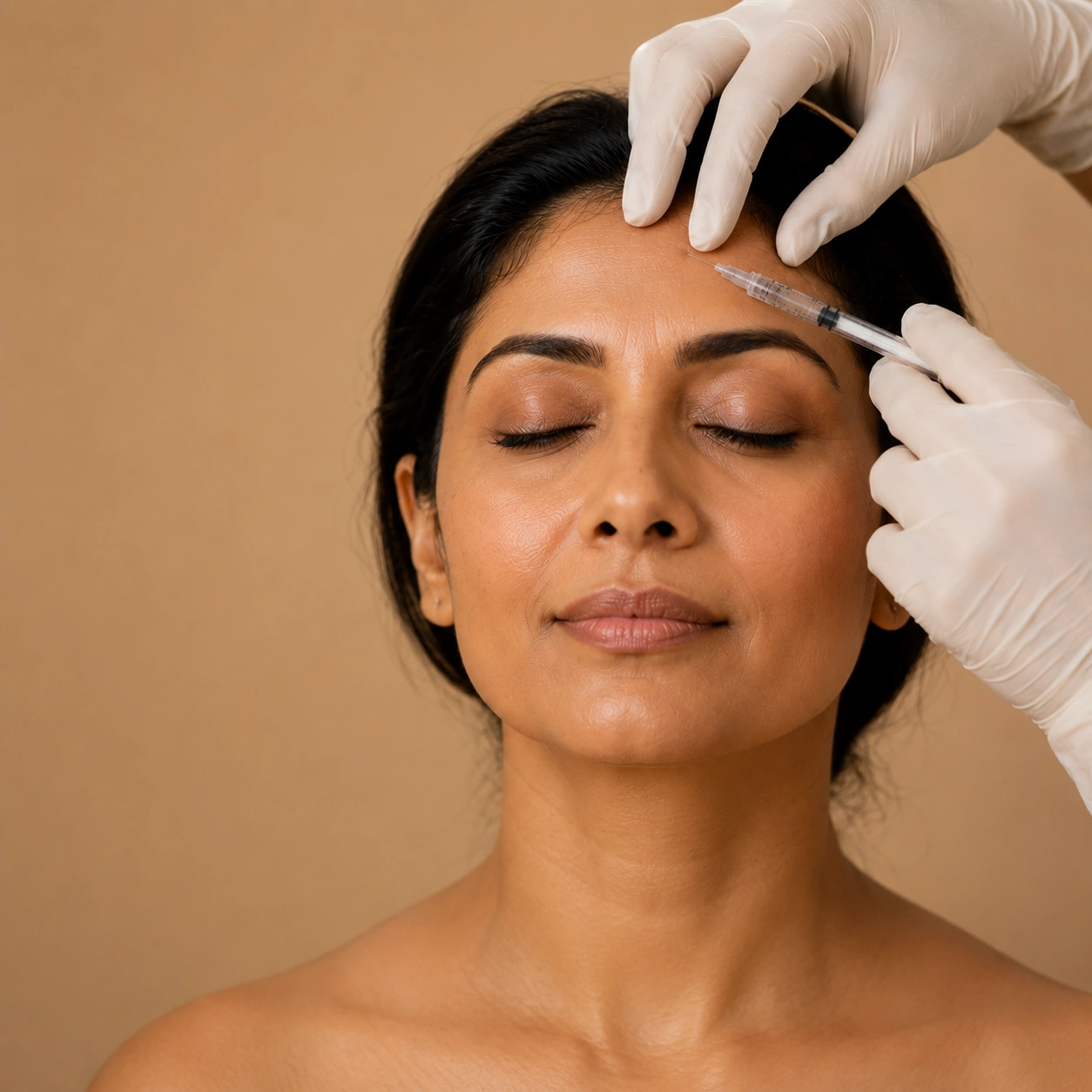
Where platysmal pull is contributing to jowl prominence, micro-doses of muscle-relaxing injection along the lower jaw and into the platysma can ease the downward pull. See our neck bands page.

Prescription muscle-relaxing injections work by temporarily reducing the activity of specific muscles, so the skin above them stops folding with each movement. The active ingredient is botulinum toxin type A, a purified protein delivered in very small, precisely placed doses. These are prescription-only medicines in the UK, which means they can only be prescribed and administered by a qualified medical prescriber following a face-to-face consultation. Whether this treatment is suitable for you, and what specific product or dose would be used, is something Dr Garara will discuss with you at consultation. It is not suitable for everyone.

This use of botulinum toxin is what’s known as “off-licence” — established, lawful practice in qualified medical hands, but not specifically licensed by UK regulators for this particular indication. Dr Garara will explain this fully at consultation, including why he considers it appropriate for your case, and will obtain your informed consent before any treatment.

Pre-jowl sulcus support (selective)

  • Best for: Visible hollow just in front of the jowl
  • Downtime: 1–3 days of swelling
  • Lasts: Around 9–12 months

Where there is a clear hollow just in front of the jowl (the pre-jowl sulcus), very small amounts of HA filler placed there can soften the visual edge of the jowl. This is used selectively — filling the jowl itself usually makes the lower face heavier rather than lifting it.

Surgical referral

  • Best for: Significant ptosis or skin redundancy
  • Downtime: Surgical recovery
  • Lasts: Long-lasting

For significant ptosis or skin redundancy that cannot reasonably be addressed non-surgically, a surgical consultation (facelift / neck lift) is appropriate. The clinic does not perform surgery.

Considering treatment for jowls?

Book a consultation with Dr Bhavin Garara.

Book a Consultation
Compare at a glance

Treatments at a Glance

Mid-face structural support (HA or biostimulator)

Best suited for
Mid-face volume loss producing descent into the jaw
Typical downtime
1–4 days of swelling
How long results last
Around 12–18 months
What it does
Restores cheek scaffolding so tissue is lifted upward

Seffiller (autologous)

Best suited for
Selected patients with significant lower-face volume loss
Typical downtime
5–10 days of swelling
How long results last
Variable — a proportion integrates and lasts; results vary
What it does
Restores volume using the patient’s own tissue

Radiofrequency microneedling

Best suited for
Mild to moderate jowling with skin laxity
Typical downtime
2–5 days of redness
How long results last
Long-lasting; collagen remodelling continues for months
What it does
Tightens and remodels the skin

Nefertiti lift (muscle-relaxing)

Best suited for
Platysmal pull aggravating the jowl edge
Typical downtime
None — brief redness
How long results last
Around 3–4 months
What it does
Eases downward muscle pull

Pre-jowl sulcus HA (very selective)

Best suited for
Visible hollow just in front of the jowl
Typical downtime
1–3 days of swelling
How long results last
Around 9–12 months
What it does
Softens the visual edge of the jowl

Surgical referral (not offered here)

Best suited for
Significant ptosis or skin redundancy
Typical downtime
Surgical recovery
How long results last
Long-lasting
What it does
Surgical correction by a specialist

Downtime and duration figures are typical averages only. Individual results vary considerably. Dr Garara will give you a more personalised picture at consultation.

Safety & risk

Is Jowl Treatment Safe?

The lower face is supplied by branches of the facial artery and contains the marginal mandibular branch of the facial nerve. Any injection in this area carries a small but recognised risk of vascular complications, bruising, and transient nerve irritation. The area should only be treated by an experienced medical practitioner who understands the anatomy and is equipped to manage complications — including the immediate availability of hyaluronidase to reverse hyaluronic acid filler.

We share this not to alarm you but because patients deserve full information. Dr Garara is happy to discuss the specific risks of any treatment at consultation.
  • Qualified medical practitionerTreatment carried out by an experienced doctor with detailed anatomical training.
  • Reversal agents on handHyaluronidase and other complication-management tools are immediately available.
  • Full informed consentRisks, alternatives, and expected outcomes discussed in detail before any treatment.
Dr Bhavin Garara
Reviewed byDr Bhavin Garara

Frequently Asked Questions

Common questions about non-surgical jowl treatment.

Read next

Related Concerns

Jowls connect to other lower-face concerns. You may also want to read about:

← All face concerns

For an overview of all the facial concerns we treat, visit our Face treatments hub.

Next step

Ready to take the next step?

Book a consultation with Dr Bhavin Garara.

Book a Consultation

Begin with a proper assessment.

Tell us a little about what you're looking for and we'll match you with the right consultation — at the clinic or virtually.

  • Your enquiry goes directly to Dr Bhavin's team.
  • We'll be in touch within one working day.
  • All consultations are strictly confidential.

This page is for general information and does not constitute medical advice. All treatments require a personal consultation. Suitability, risks, and expected outcomes will be discussed with you in detail before any treatment is carried out.