



Dr Bhavin Garara
HomeContact UsUHai — Analyse My Skin
Dry Skin

Dry Skin

Dry skin is skin that lacks oil, water, or both — leaving it feeling tight, looking dull, and showing fine lines more readily than well-hydrated skin. Treatment combines a sensible daily routine with, where helpful, in-clinic skin-quality treatments — multi-ingredient skinboosters, polynucleotides, and radiofrequency microneedling — that hydrate, strengthen, and remodel the skin barrier from within.

Medically reviewed by Dr Bhavin Garara, GMC 7155707 · Last reviewed: 4 June 2026

What it is

What Is Dry Skin?

Book a Consultation

The skin barrier is a finely balanced structure that depends on three things: enough natural oil (sebum) to seal moisture in, enough water in the dermal layers to keep the skin plump, and an intact outer layer (the stratum corneum) to hold both in place. When any of these is depleted, the skin feels and looks drier.

Dr Bhavin Garara’s approach is to read the skin first and treat what is actually missing — sometimes oil, sometimes water, often both — and to combine in-clinic treatments with realistic home-care advice. The aim is durable, comfortable skin that holds moisture well — not a single dramatic intervention.

Side by side

Dry Skin vs Dehydrated Skin

A useful clinical distinction.

Dry skin (a skin type)

The sebaceous glands produce less natural oil than average, so the skin lacks the oily film that normally holds water in. People with dry skin tend to find their skin feels tight and rough year-round, often with fine flaking, and it can be more sensitive to weather and skincare.

Dehydrated skin (a skin condition)

The skin lacks water in the dermal layers, regardless of how much oil the sebaceous glands produce. Even oily skin can be dehydrated; people often describe the paradox of feeling oily but tight at the same time. Dehydration can come and go, and is often worse in cold air, after long flights, with high alcohol or caffeine intake, or after harsh skincare.

Most people have an element of both, and most treatments work on both. Working out which is leading shapes the home-care side as much as the in-clinic plan.

What causes it

What Causes Dry Skin?

  1. 1

    Reduced sebum production (intrinsic)

    Some people produce less sebum naturally — a function of genetics and skin type. Sebum production also gradually declines with age, which is why skin often becomes drier from midlife onwards.

  2. 2

    Compromised skin barrier

    Over-cleansing, harsh exfoliation, alcohol-based toners, fragrance, hot water, or chronic skin conditions can weaken the outer skin layer, so it loses water more quickly. The technical term is transepidermal water loss.

  3. 3

    Decline in dermal hyaluronic acid

    The skin’s own hyaluronic acid — a powerful water-binding molecule in the dermis — declines with age, so the skin holds less water from underneath.

  4. 4

    Environmental factors

    Low humidity, cold weather, central heating, air conditioning, and wind all pull water from the skin. Sun damage breaks down the proteins that maintain the barrier. Smoking and high alcohol intake further dehydrate the skin.

  5. 5

    Medical and medication-related causes

    Some medical conditions (hypothyroidism, eczema, psoriasis, diabetes) and medications (retinoids used at higher strength, some diuretics, certain acne medications) can drive persistent dryness. Sudden or severe dryness, particularly with itching, is worth assessing with your GP.

    Some persistent skin dryness can be a sign of an underlying medical condition. This page is general information, not a diagnosis. If your dry skin is sudden, severe, accompanied by itching, redness, or other symptoms, the right first step is to see your GP or a dermatologist.

Dr Bhavin Garara
Dr Bhavin Garara, MBBS, BMedSci, PGDip
Book a Consultation
Dr Garara's approach

How Dr Bhavin Garara Treats Dry Skin

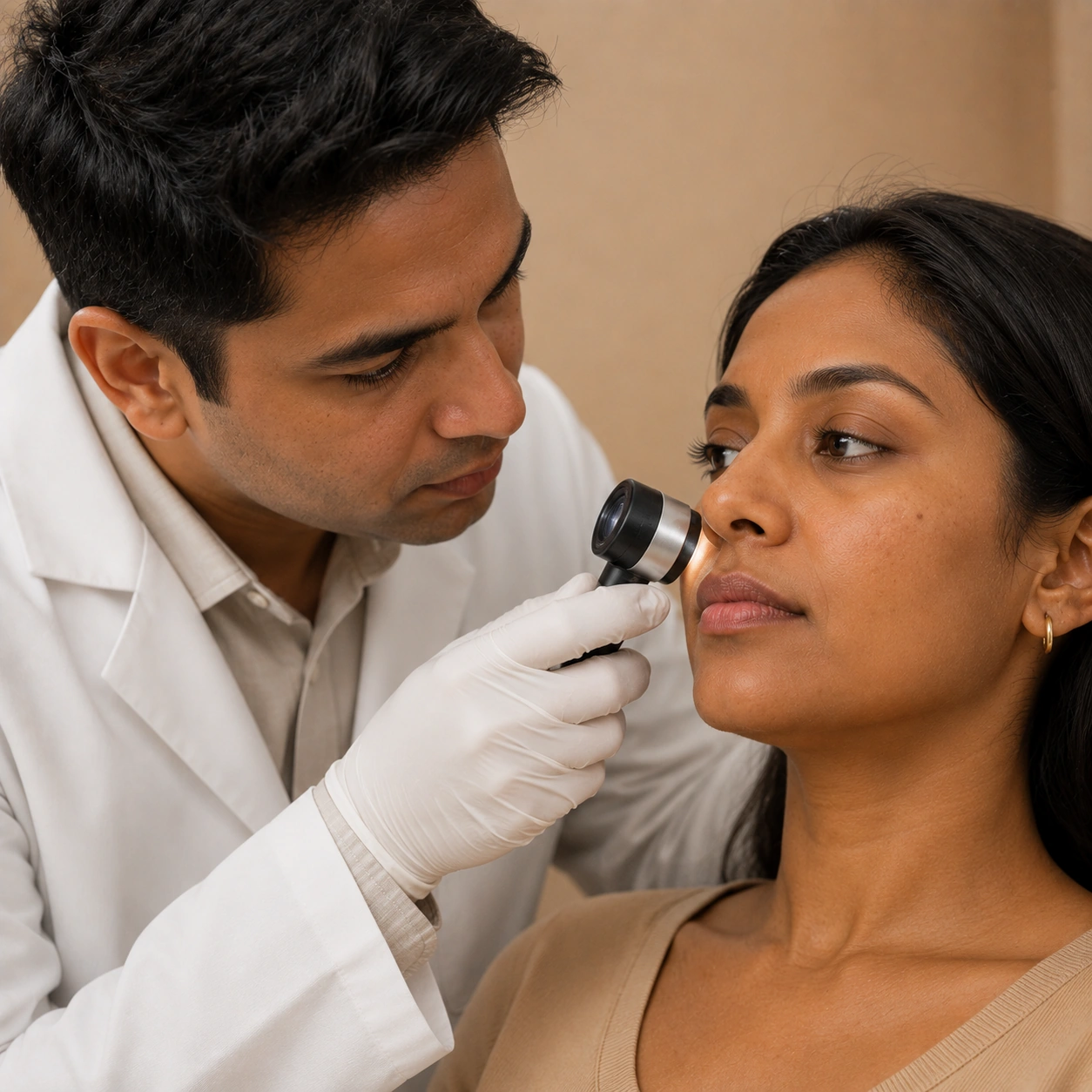
At the clinics in London, Dr Garara assesses at consultation the skin’s natural oil production, hydration levels, barrier quality, sensitivity, and how it responds to the products you already use. From this, he designs a plan that usually combines tailored home-care advice with in-clinic skin-quality treatments — leading with treatments that work on the dermis rather than just the surface.
  • Anatomy-led assessmentTreatment plans built around your unique facial structure and movement.
  • Personalised planCombinations chosen for your skin, goals, and lifestyle — not a one-size-fits-all protocol.
  • Natural resultsA refreshed, well-rested version of you — never a frozen or over-treated look.

Prevention

Home Care for Dry Skin

A few simple, consistent habits make a meaningful difference.

Prevention

Features

Treatment Options for Dry Skin

Multi-ingredient skinboosters, polynucleotides and PDRN, autologous PRP / platelet-derived exosomes, radiofrequency microneedling, and medical-grade skincare.

Treatment is layered — multi-ingredient skinboosters first, with polynucleotides, autologous regenerative options, and radiofrequency microneedling added where appropriate.

Multi-ingredient skinboosters and bio-revitalisers

  • Best for: Overall dehydration, dullness, loss of “bounce”
  • Downtime: 1–2 days of small bumps
  • Lasts: Around 6–9 months with a course

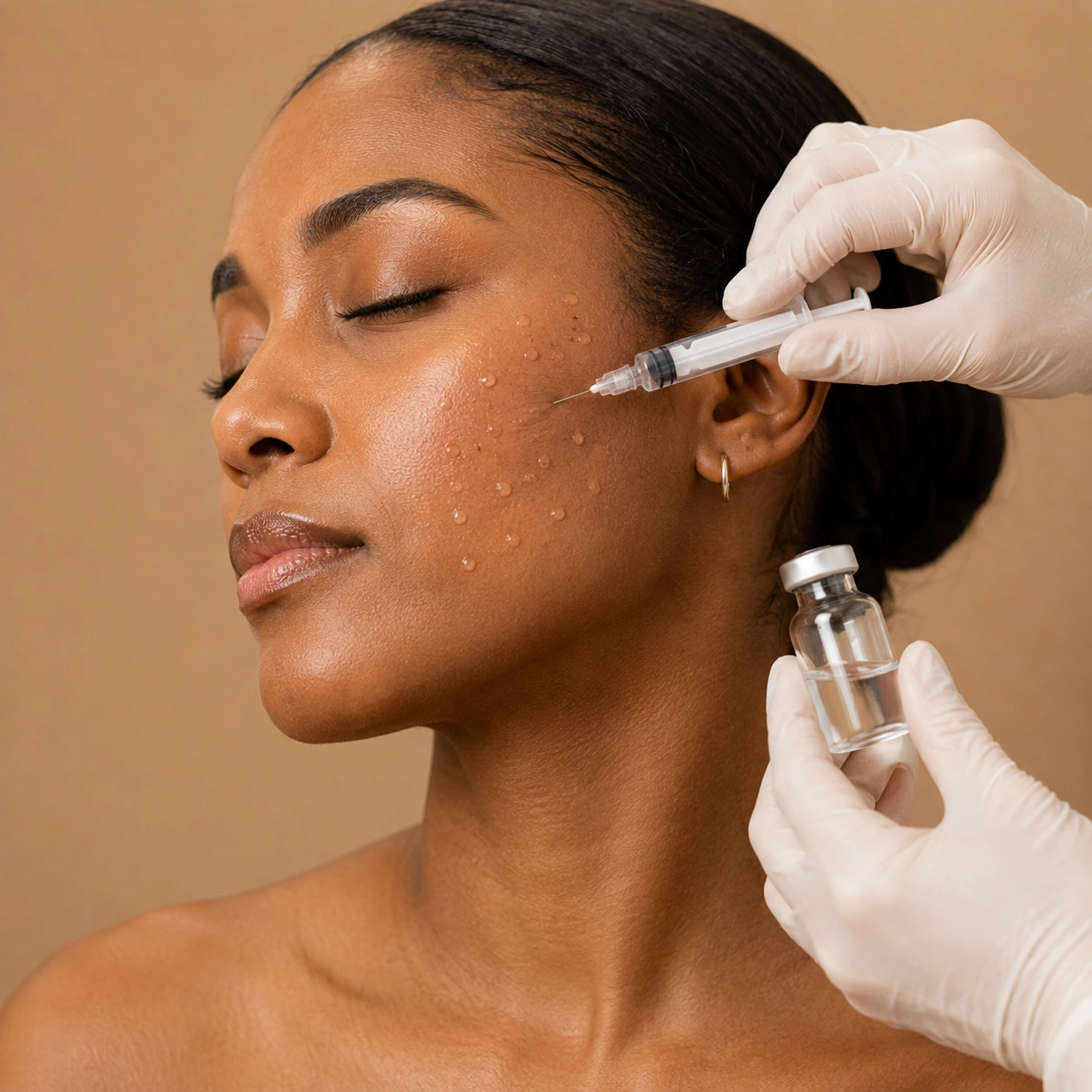
The first line of in-clinic treatment for dry, dehydrated skin is a category sometimes called “skinboosters” — injectable products that deliver hyaluronic acid plus, in many cases, amino acids, peptides, vitamins, and DNA-derived components into the dermis. Profhilo contains high concentrations of pure, uncross-linked hyaluronic acid that spreads through the dermis to hydrate and stimulate fibroblasts. Jalupro Hydromax, Sunekos, and NCTF combine HA with amino acids and vitamins. klardie is a multi-ingredient mesotherapy product (lowercase, per the brand) containing HA, PDRN, and other components. None of these are fillers; they do not add volume. They support hydration and skin quality from within. A short course is typical, with results developing over weeks.

Polynucleotides (PN) and PDRN

  • Best for: Fragile, reactive, thin skin that does not hold moisture
  • Downtime: 1–2 days of mild bumps
  • Lasts: Around 6–12 months with a course

Polynucleotides (PN) are long-chain, highly purified DNA fragments derived from wild salmon (Oncorhynchus keta). Injected superficially, they are understood to act as a “repair signal” — supporting your fibroblasts to produce more collagen and elastin, helping the skin hold moisture, and gradually improving its thickness and resilience. A widely-used brand example in the UK is Rejuran®, a CE-marked Class III medical device made by PharmaResearch using their patented DOT™ (DNA Optimizing Technology) process. PDRN is a related compound with shorter chain length that supports the skin’s repair processes — useful where the barrier is fragile or recovering.

Platelet-derived exosomes and PRP

  • Best for: Skin that has lost repair capacity
  • Downtime: 1–3 days of mild swelling
  • Lasts: Variable; benefits build over a course

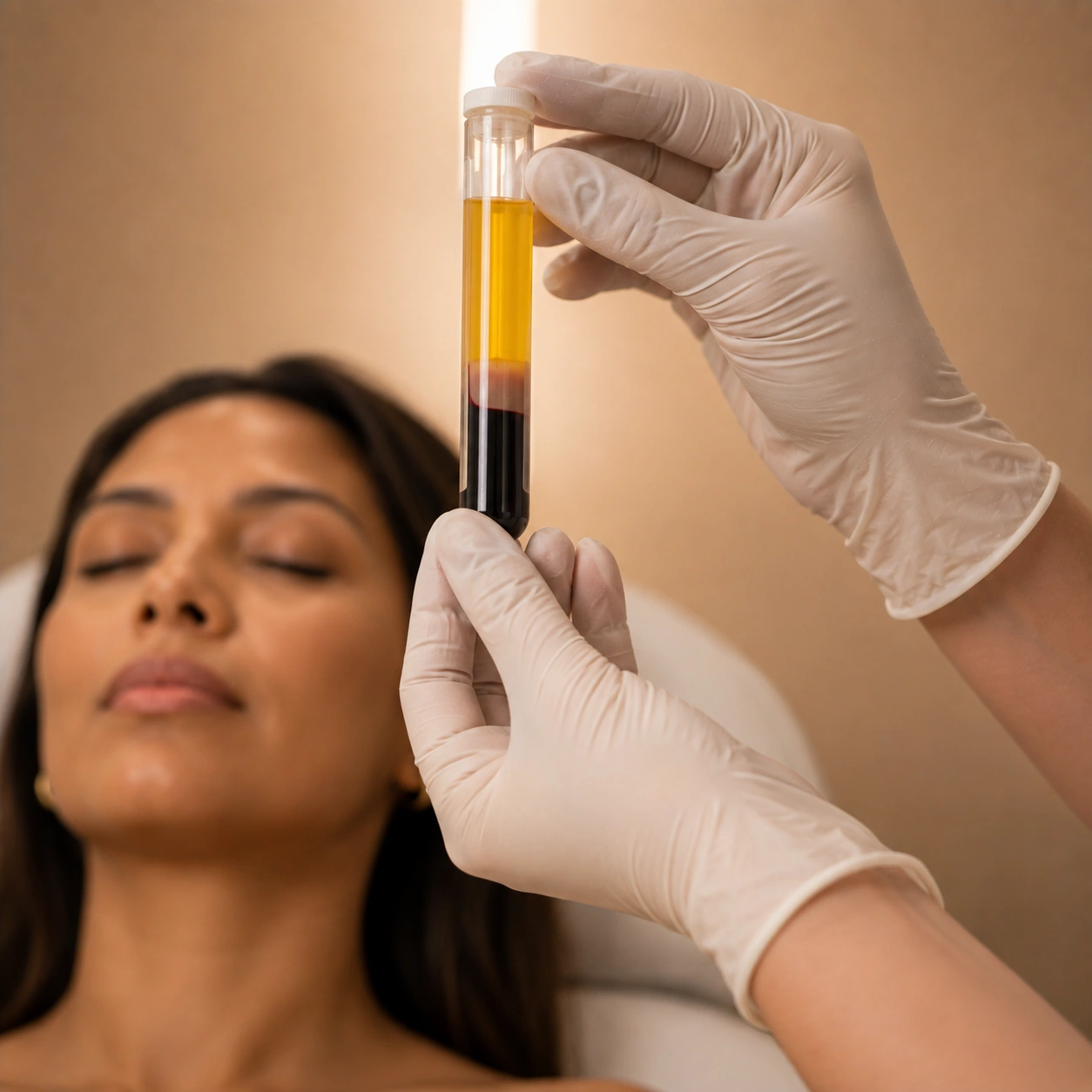
Platelet-Rich Plasma (PRP) and platelet-derived exosomes are autologous treatments — both derived from the patient’s own platelets — that may be administered to support tissue quality. They are distinct treatments with different mechanisms; not “advanced PRP.”

Radiofrequency microneedling

  • Best for: Compromised barrier and dehydration with skin laxity
  • Downtime: 2–4 days of mild redness
  • Lasts: Long-lasting; collagen remodelling continues for months

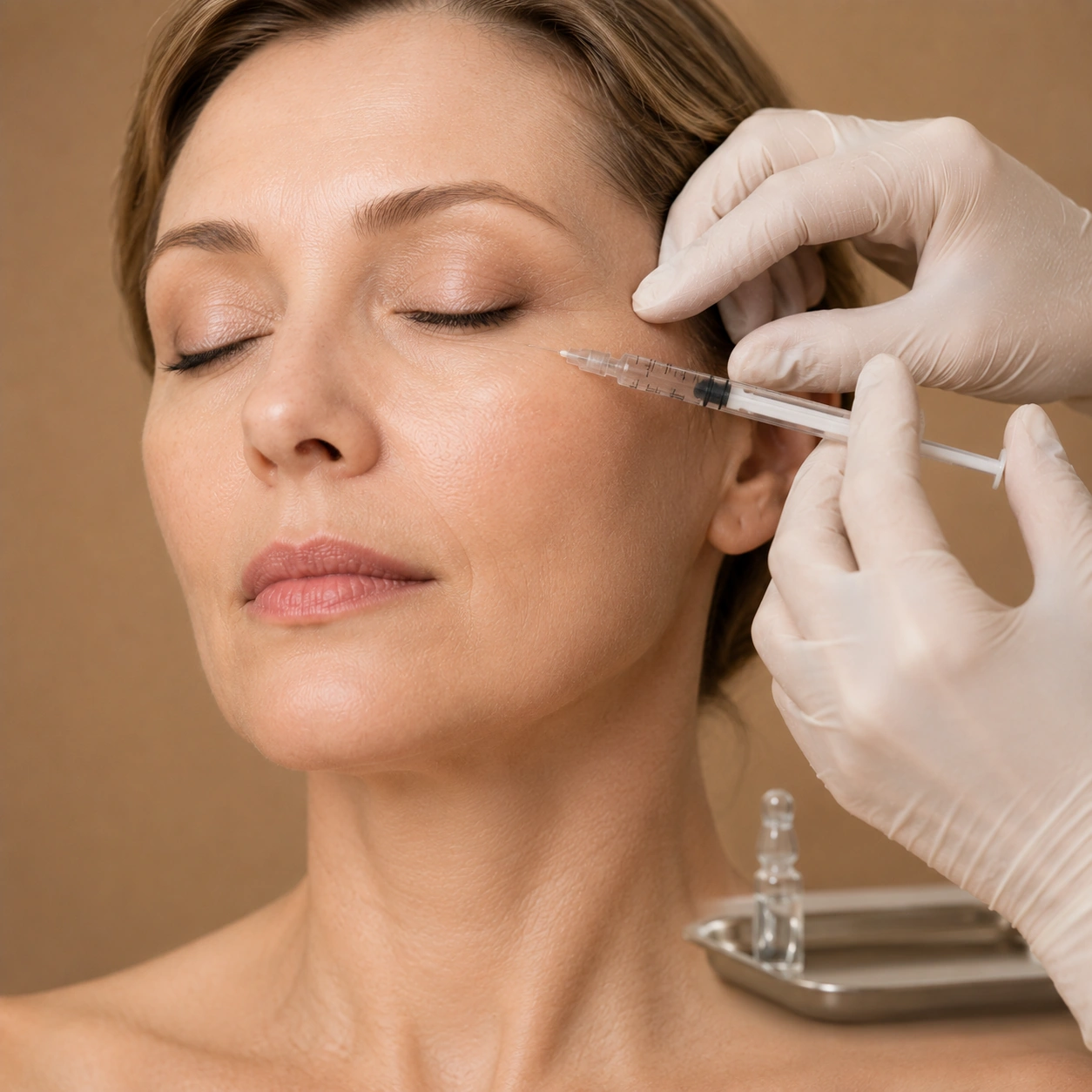
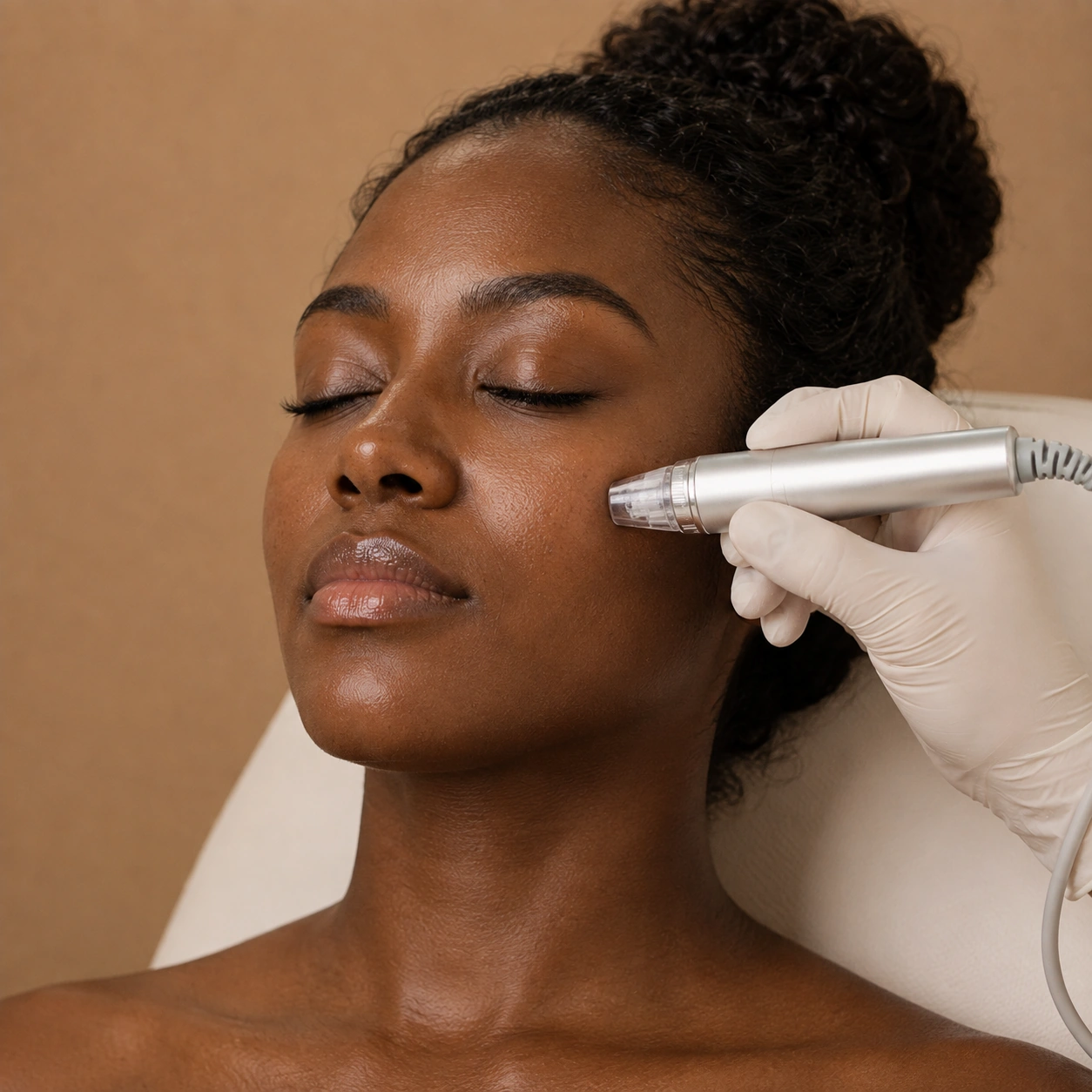
Radiofrequency microneedling with Sylfirm X delivers controlled radiofrequency energy through fine needles to encourage collagen remodelling and barrier repair. A short course is typical, with results developing over weeks to months.

Treatment for higher Fitzpatrick skin types (IV–VI) requires careful device selection and conservative settings to reduce the risk of post-inflammatory hyperpigmentation or, in some cases, keloid scarring. Dr Garara has particular experience in aesthetic medicine for skin of colour and tailors device choice, energy levels, and treatment intervals accordingly.

Medical-grade skincare

  • Best for: Daily barrier support alongside any of the above
  • Downtime: None
  • Lasts: Ongoing with consistent use

Many patients benefit from a tailored medical-grade skincare regimen built around their specific dryness pattern. Retinoids, ceramide-rich moisturisers, hyaluronic acid serums, and antioxidant serums can be combined; the right routine is individual.

Considering treatment for dry skin?

Book a consultation with Dr Bhavin Garara to discuss the right combination for your skin.

Book a Consultation
Compare at a glance

Treatments at a Glance

Multi-ingredient skinboosters

Best suited for
Overall dehydration, dullness, loss of “bounce”
Typical downtime
1–2 days of small bumps
How long results last
Around 6–9 months with a course
What it does
Hydrates the dermis and supports collagen production

Polynucleotides and PDRN

Best suited for
Fragile, reactive, thin skin that does not hold moisture
Typical downtime
1–2 days of mild bumps
How long results last
Around 6–12 months with a course
What it does
Supports the skin’s own repair processes

PRP and platelet-derived exosomes

Best suited for
Skin that has lost repair capacity
Typical downtime
1–3 days of mild swelling
How long results last
Variable; benefits build over a course
What it does
Uses your own biology to support skin repair

Radiofrequency microneedling

Best suited for
Compromised barrier and dehydration with skin laxity
Typical downtime
2–4 days of mild redness
How long results last
Long-lasting; collagen remodelling continues for months
What it does
Tightens and remodels the skin from within

Medical-grade skincare

Best suited for
Daily barrier support alongside any of the above
Typical downtime
None
How long results last
Ongoing with consistent use
What it does
Maintains and protects the skin barrier

Downtime and duration figures are typical averages only. Individual results vary considerably. Dr Garara will give you a more personalised picture at consultation.

Safety & risk

Is Dry Skin Treatment Safe?

Skin-quality injectables and radiofrequency microneedling are widely performed and generally well tolerated. Common minor side effects are short-lived bumps or mild redness at injection sites and transient flushing after radiofrequency treatment. As with any injection in the face, the area should only be treated by a practitioner who understands the anatomy and is equipped to manage complications. For energy-based treatments, patient-specific factors (skin type, history of pigmentation issues or keloid scarring, medications) shape device choice and settings.

We share this because patients deserve full information. Dr Garara is always happy to discuss the specific risks of any treatment in detail at your consultation.
  • Qualified medical practitionerTreatment carried out by an experienced doctor with detailed anatomical training.
  • Reversal agents on handHyaluronidase and other complication-management tools are immediately available.
  • Full informed consentRisks, alternatives, and expected outcomes discussed in detail before any treatment.
Dr Bhavin Garara
Reviewed byDr Bhavin Garara

Frequently Asked Questions

Common questions about treating dry skin.

Read next

Related Concerns

Dry skin often appears alongside other skin concerns. You may also want to read about:

← All skin concerns

For an overview of all the facial concerns we treat, visit our Skin treatments hub.

Next step

Ready to take the next step?

Book a consultation with Dr Bhavin Garara.

Book a Consultation

Begin with a proper assessment.

Tell us a little about what you're looking for and we'll match you with the right consultation — at the clinic or virtually.

  • Your enquiry goes directly to Dr Bhavin's team.
  • We'll be in touch within one working day.
  • All consultations are strictly confidential.

This page is for general information and does not constitute medical advice. All treatments require a personal consultation. Suitability, risks, and expected outcomes will be discussed with you in detail before any treatment is carried out.