


Improving Pigmentation
What is Pigmentation?
Restore a clearer, more even skin tone
Pigmentation refers to changes in your skin's natural colour caused by excess melanin production. It commonly presents as dark spots, sunspots, melasma, post-inflammatory marks following acne, or uneven skin tone that develops over time. These concerns may be triggered by sun exposure, hormonal changes, inflammation, genetics, or ageing. Dr Garara approaches pigmentation from both a medical and holistic perspective, treating visible discolouration while implementing preventative strategies to reduce future pigment formation.
Conditions
Signs and symptoms of pigmentation:
Quick Overview
Treatment at a Glance
Key facts about this procedure to help you understand what to expect before, during, and after your treatment.
Book a ConsultationTreatment time
20 - 60 minutes
Recovery time
3 - 10 days depending on treatment
Anaesthesia
Topical numbing for some treatments
Results duration
Long-lasting with maintenance
Sessions needed
2 - 6 sessions typically
Aftercare
Strict SPF 50 daily. Avoid sun exposure
The Real Benefits of Choosing Our Cosmetic Solutions
Brighter, more even-looking skin tone
Visible reduction in dark patches and discolouration
Improved skin clarity and luminosity
Smoother, healthier skin texture
Enhanced response to skincare products
Long-term control of recurring pigmentation
Increased confidence in your complexion
Your pigmentation treatment with Dr Garara
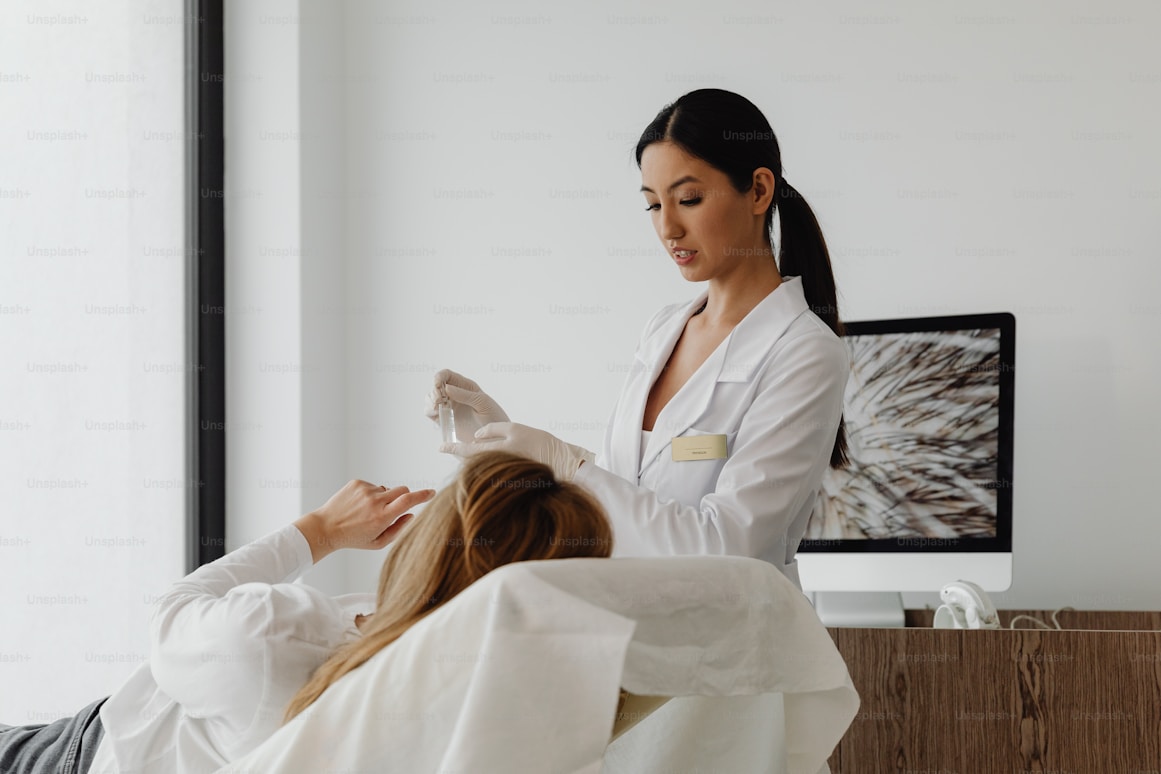
Your pigmentation treatment begins with an in-depth consultation with Dr Garara, during which your skin is carefully assessed. He takes time to understand your concerns, lifestyle, medical history, and previous treatments. By identifying whether your discolouration is driven by sun damage, hormonal influences, inflammation, genetics, or a combination of factors, Dr Garara can design a personalised, long-term treatment plan. This plan focuses on correcting existing pigment, strengthening overall skin health, and preventing future discolouration.
Topical treatments
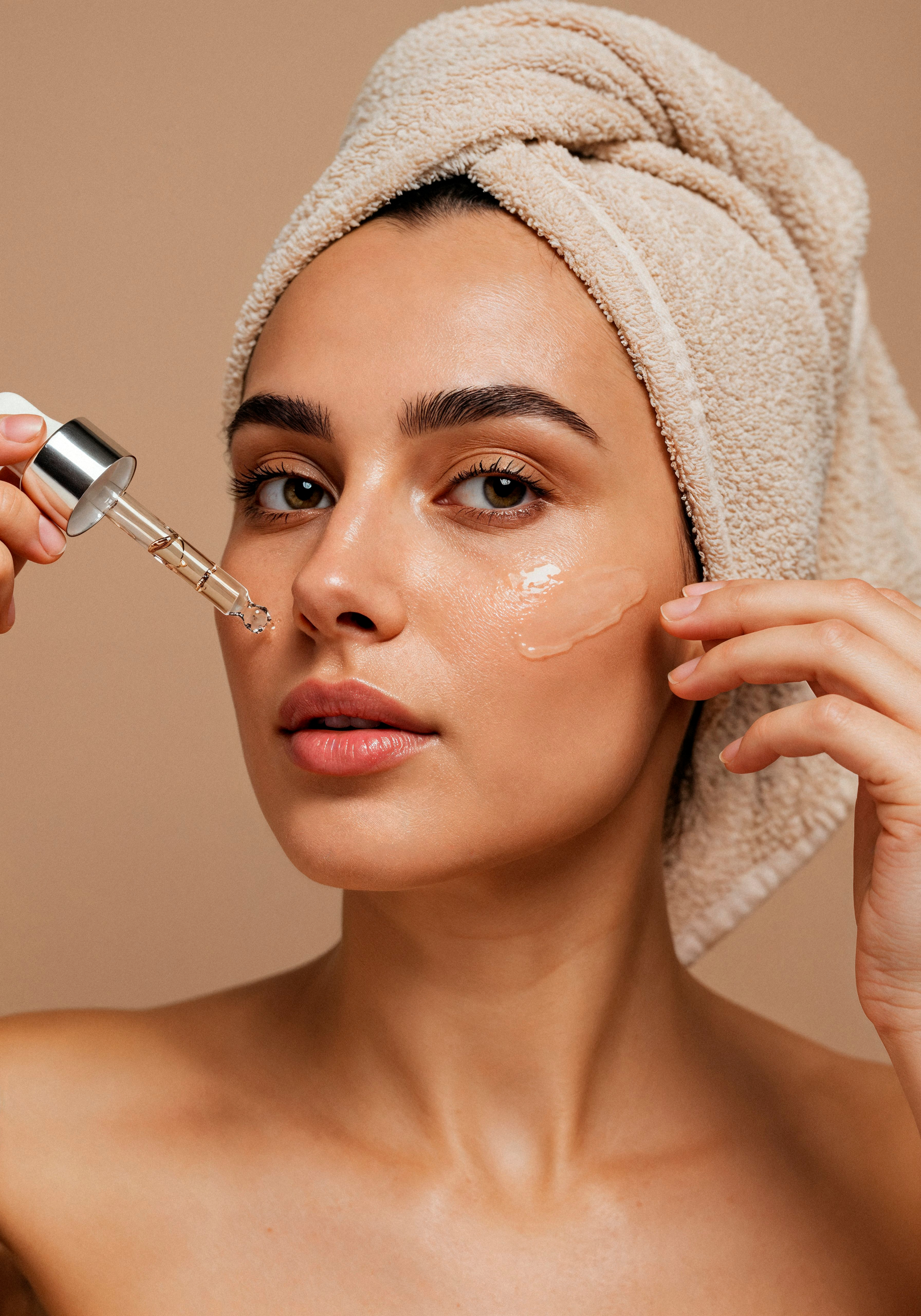
Topical treatments form the foundation of most pigmentation treatment plans. These medical-grade creams and serums contain active ingredients called tyrosinase inhibitors like hydroquinone that slow melanin production by calming pigment-producing cells while gently encouraging the shedding of old, darkened skin cells. Over time, this supports the lightening of existing discolouration and promotes a more even skin tone. Dr Garara carefully selects formulations tailored to your skin type and tolerance.
Intradermal treatments
Intradermal treatments deliver powerful brightening and regenerative ingredients into the skin using fine injections or microneedling. This approach places active compounds precisely where pigment is forming, enhancing their effectiveness. These solutions help reduce excess melanin, calm inflammation, and stimulate cell turnover. When incorporated into your treatment plan, intradermal therapies can accelerate results while improving skin quality and resilience.
Chemical peels
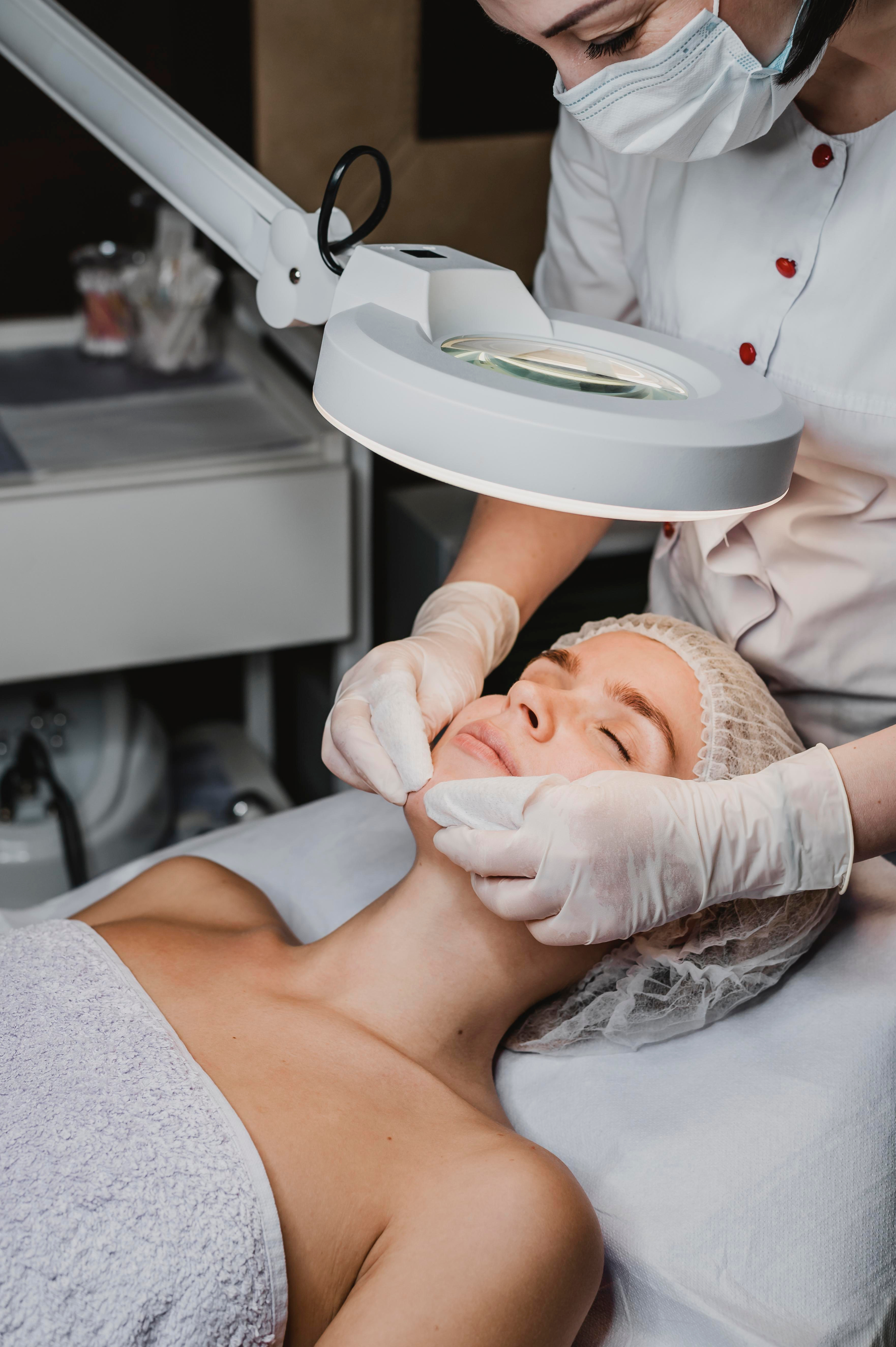
Chemical peels use carefully selected acids to exfoliate the outer layers of damaged, pigmented skin while stimulating cellular renewal from beneath. As new skin cells rise to the surface, the complexion appears clearer, brighter, and more even. Dr Garara tailors the strength and type of each peel to your specific pigmentation pattern and skin sensitivity, allowing for gradual, controlled improvement while minimising irritation and downtime.
Energy-based treatments
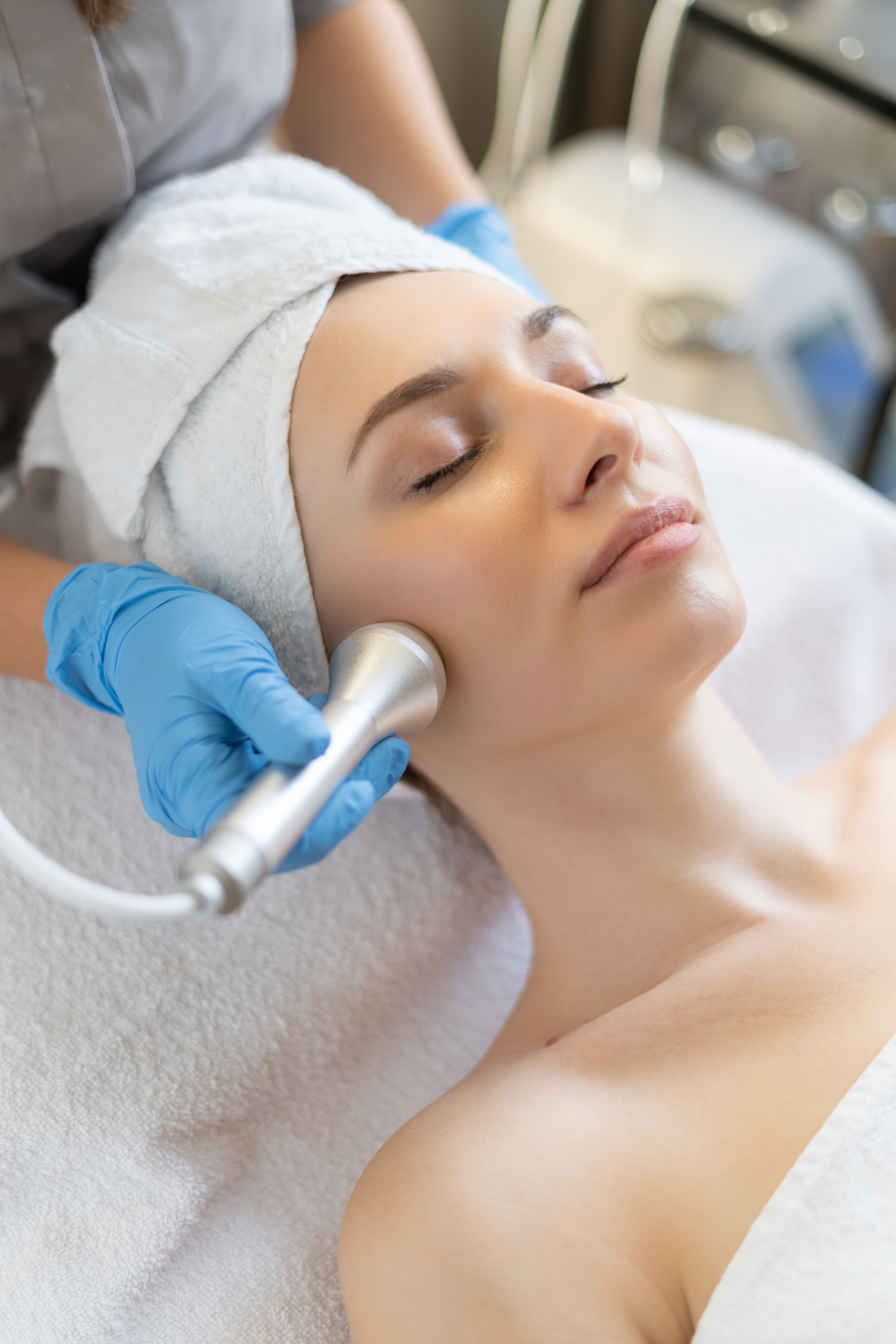
Energy-based treatments use advanced technologies, such as SylfirmX radiofrequency microneedling and the Multifrax laser, to target pigmentation at different depths of the skin. These devices deliver controlled energy that helps break down excess pigment while stimulating the skin's natural repair processes. This dual action improves discolouration, texture, and overall skin quality. These treatments help address both visible pigmentation and its underlying causes.

Expert skin analysis
from anywhere
Explore FAQs on Improving Pigmentation
Find answers to common questions about improving pigmentation.
Begin with a proper assessment.
Tell us a little about what you're looking for and we'll match you with the right consultation — at the clinic or virtually.