

Acne
What is acne?
Restore balance to breakout-prone skin
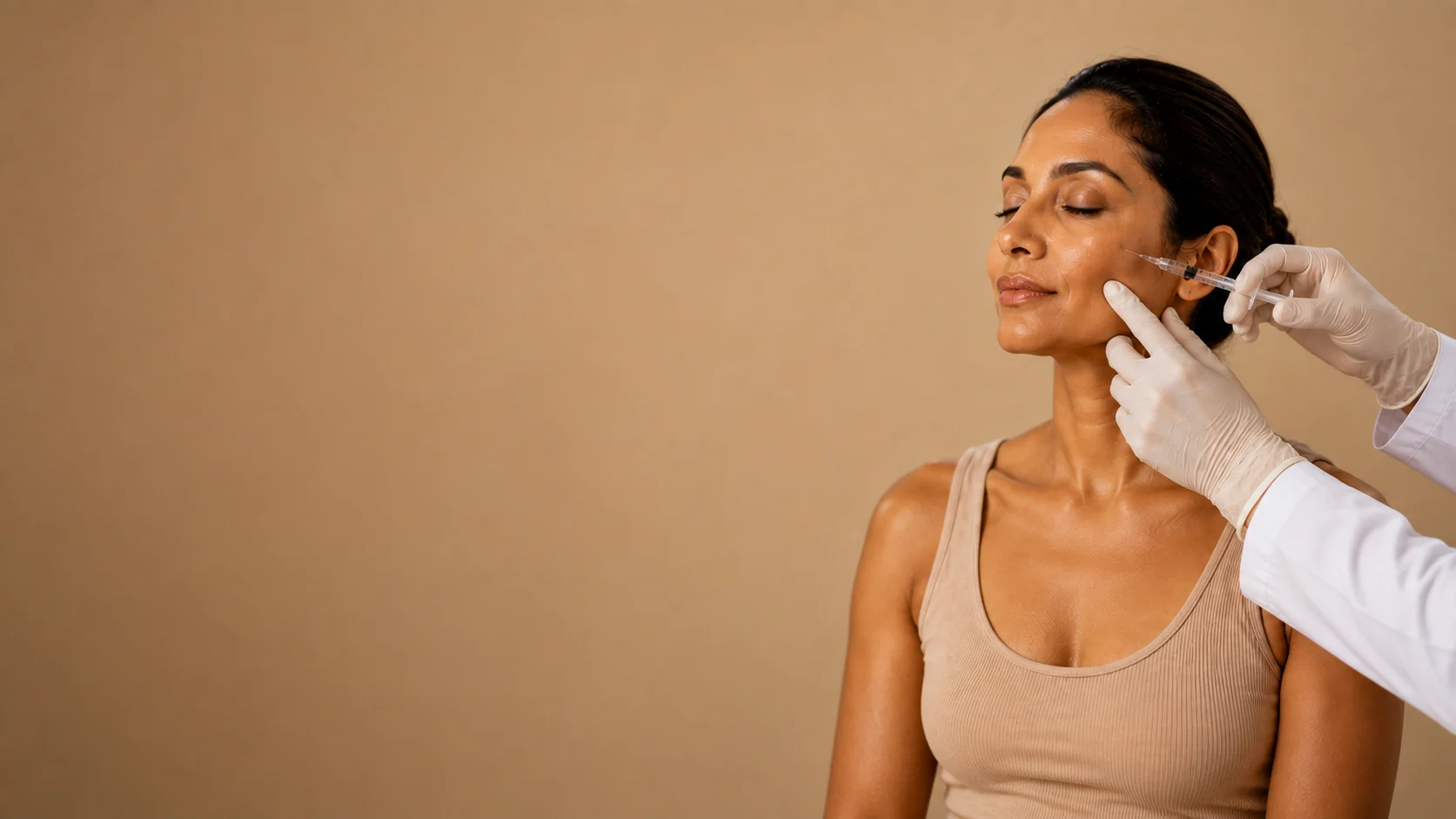
Acne is an inflammatory skin condition that develops when hair follicles become blocked with excess sebum, dead skin cells, and bacteria. This can lead to blackheads, whiteheads, inflamed spots, cysts, and redness. At Dr Bhavin Garara's practice, acne management focuses on understanding these underlying mechanisms, and your treatment plan may combine medical skincare, prescription therapies, and targeted procedures to reduce active inflammation, regulate oil production, and support long-term skin health.
Conditions
Signs and symptoms of Acne
Quick Overview
Treatment at a Glance
Key facts about this procedure to help you understand what to expect before, during, and after your treatment.
Book a ConsultationTreatment time
30 - 60 minutes per session
Recovery time
Minimal to none
Anaesthesia
Topical numbing if needed
Results duration
Ongoing with maintenance
Discomfort level
Mild
Aftercare
Follow prescribed skincare routine. Use SPF daily
The Real Benefits of Choosing Our Cosmetic Solutions
Reduced frequency and severity of breakouts
Regulation of excess sebum production
Reduced inflammation within the skin
Improved skin clarity and texture
Prevention of acne-related scarring
Reduction in post-acne redness and pigmentation
Healthier skin barrier function
More balanced, stable skin environment
Long-term control of acne activity
Improved confidence in skin appearance
Your acne treatment with Dr Garara
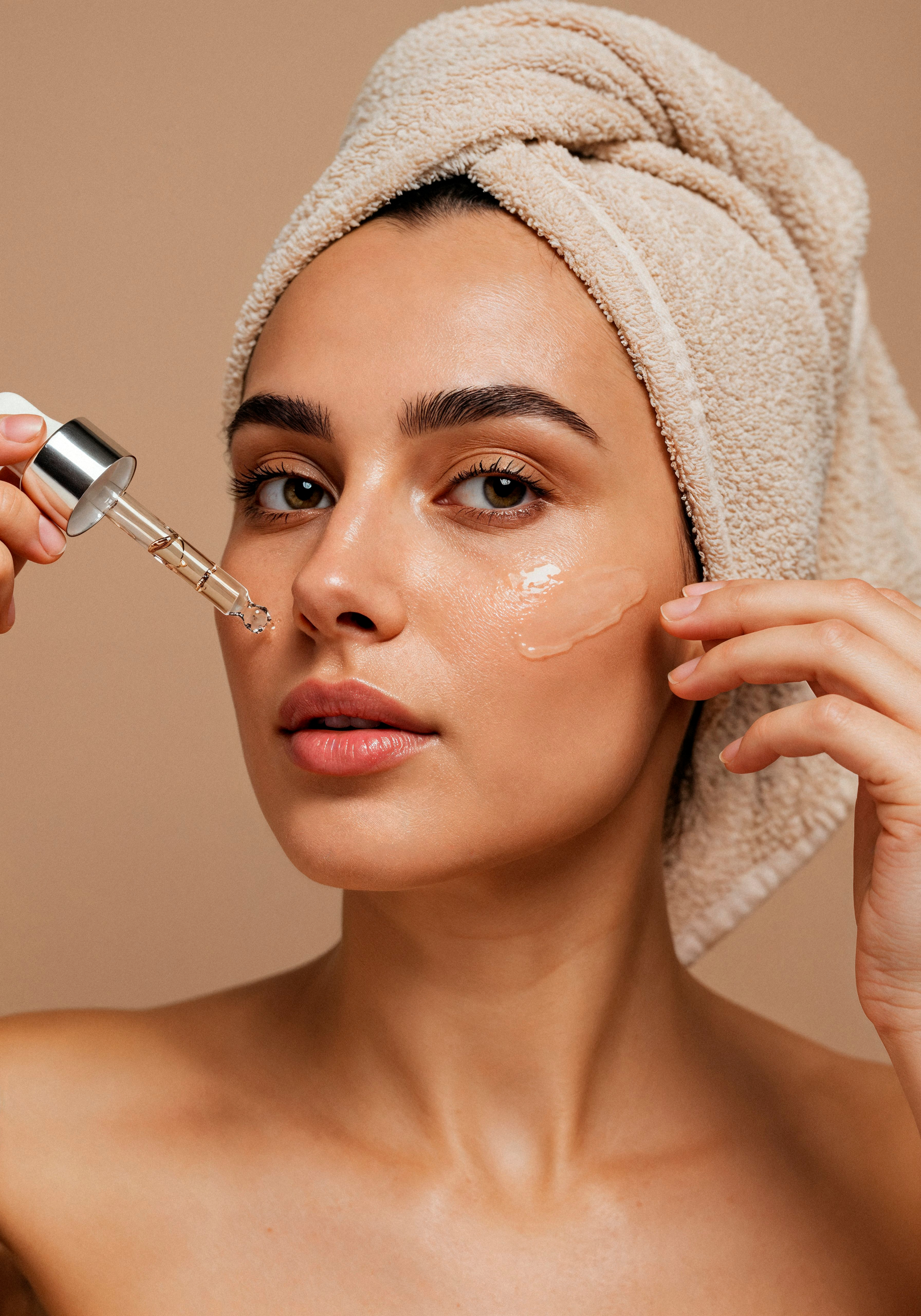
Medical-grade skincare: Medical-grade skincare forms the foundation of acne management. These formulations contain clinically active ingredients at therapeutic concentrations that regulate skin behavior. Ingredients such as retinoids normalise skin cell turnover, preventing pores from becoming blocked, while acids dissolve excess oil and debris within follicles. Anti-inflammatory ingredients help calm irritation and restore the skin barrier.
Prescription treatments: When acne is more persistent or hormonally driven, prescription medications may be introduced. Retinoids such as trifarotene (Aklief) regulate the lifecycle of skin cells, preventing clogged follicles that trigger breakouts. Hormonal therapies like clascoterone (WinLevi) reduce the effect of androgens on sebaceous glands, lowering oil production at the source.
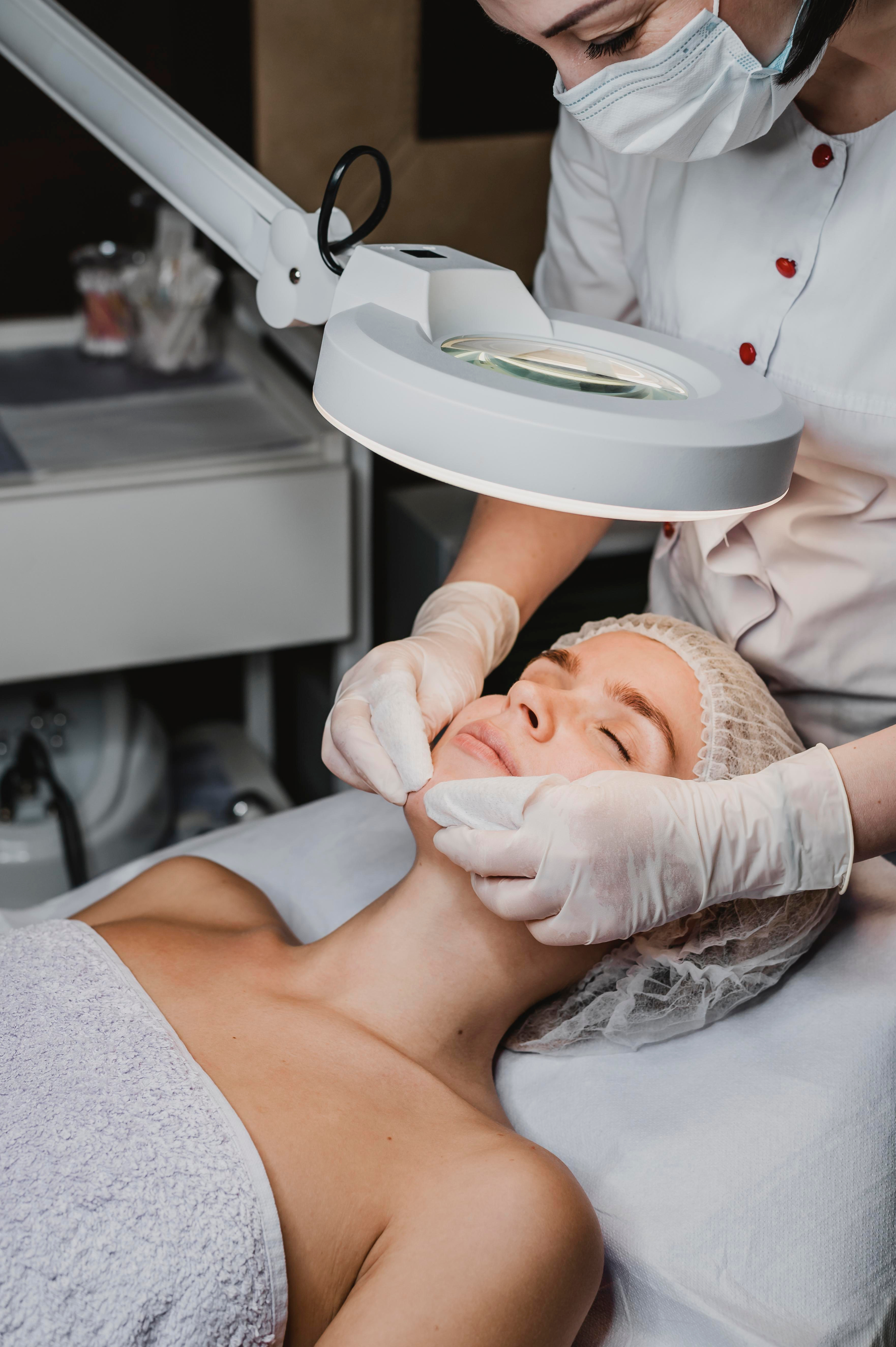
In-clinic treatments for active acne: For patients experiencing ongoing breakouts, targeted in-clinic procedures may be incorporated to reduce inflammation, control bacteria, and regulate oil production. These include photodynamic therapy (PDT), chemical peels, NanoTox (mesotherapy botulinum toxin), and polynucleotides.
Treatment for post-acne skin changes: Even after active acne improves, the skin may retain visible reminders of previous inflammation. Persistent redness and pigmentation occur because inflammatory signals affect blood vessels and melanin-producing cells. Treatment may include vascular lasers and targeted pigmentation treatments.

Expert skin analysis
from anywhere
Explore FAQs on Acne
Find answers to common questions about acne.
Begin with a proper assessment.
Tell us a little about what you're looking for and we'll match you with the right consultation — at the clinic or virtually.