
Dr Bhavin Garara
HomeContact UsUHai — Analyse My Skin
Hair Thinning

Hair Thinning

Hair thinning — clinically called androgenetic alopecia when driven by genetic and hormonal factors — is a gradual, progressive condition. Effective management is generally most successful with early intervention and a combination of approaches: medical-grade prescription treatments where appropriate, regenerative therapies including PRP and platelet-derived exosomes, autologous regenerative options (Seffihair) for selected patients, and supportive scalp treatments. Where the underlying follicles have been lost entirely, a hair transplant by a specialist may be the right pathway.

Medically reviewed by Dr Bhavin Garara, GMC 7155707 · Last reviewed: 12 May 2026

Androgenetic alopecia is a recognised medical condition. Hair loss can also be caused by other medical conditions — thyroid disease, iron-deficiency anaemia, autoimmune conditions such as alopecia areata, and others. This page is general information, not a diagnosis. Dr Garara will assess you in person, may recommend blood tests, and will direct you to GP / trichology / dermatology assessment where appropriate before aesthetic treatment.

What it is

What Is Hair Thinning?

Book a Consultation

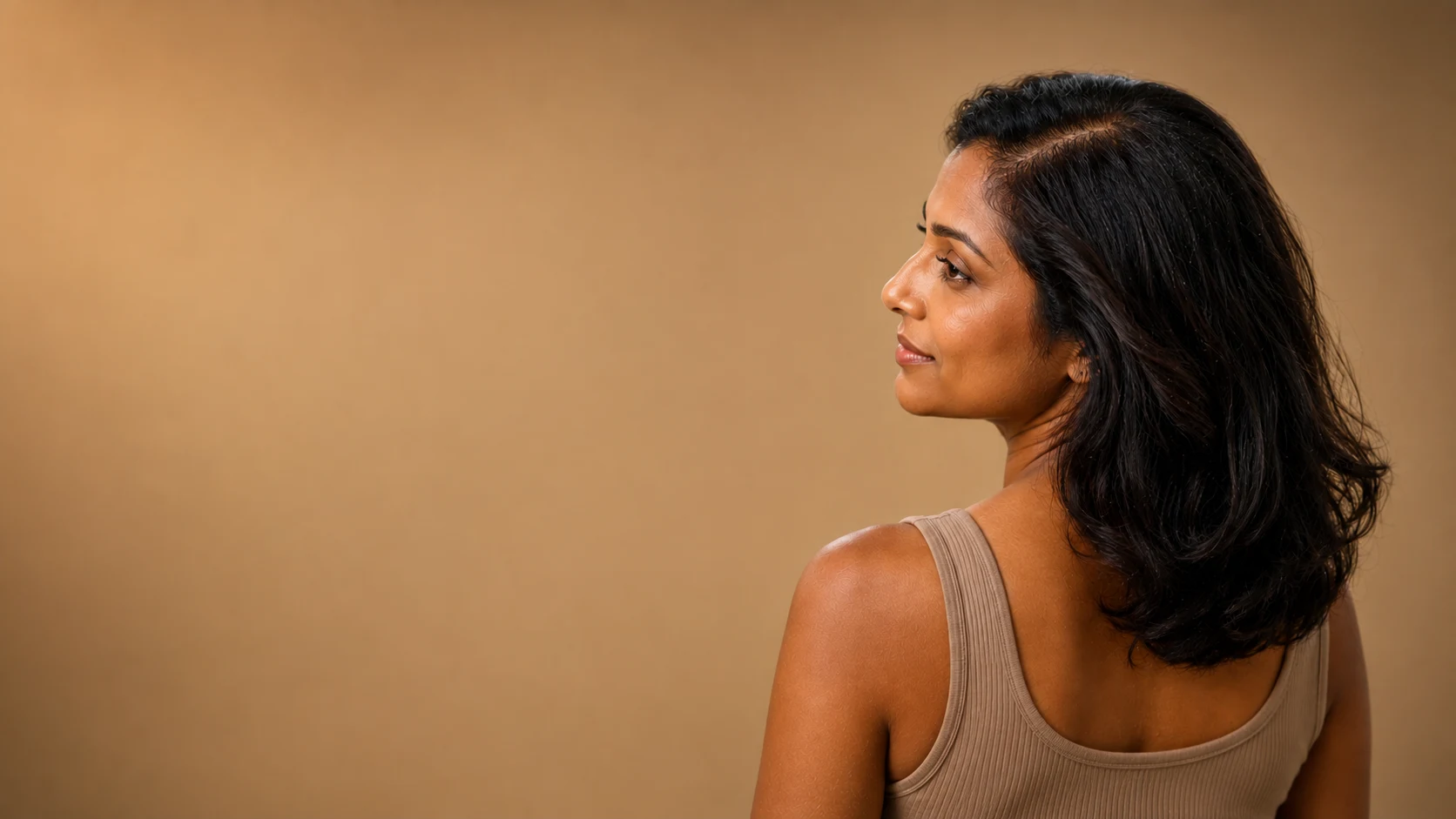
Each hair follicle goes through cycles of growth (anagen), transition (catagen), and rest (telogen) before shedding and starting a new cycle. In androgenetic alopecia, susceptible follicles gradually miniaturise — each successive cycle produces a slightly thinner, shorter hair — until eventually the follicle no longer produces visible hair. This produces the characteristic pattern of male and female hair loss.

Dr Bhavin Garara’s approach is layered: support the follicles still producing hair (most responsive to regenerative treatment), advise on medical-grade options that have the strongest evidence base, and route honestly to specialist care where appropriate.

Where it shows

Patterns of Hair Loss

Identifying the pattern at consultation guides what is realistic to expect from treatment.

  • Male pattern (Norwood scale)

    Recession at the temples and crown, often beginning in the twenties or thirties.

  • Female pattern (Ludwig / Sinclair scale)

    Diffuse thinning across the crown with preserved frontal hairline, often beginning in midlife or perimenopause.

  • Mixed patterns

    Combinations of the above, including frontal fibrosing alopecia (a scarring pattern best assessed by trichology / dermatology).

What causes it

What Causes Androgenetic Alopecia?

  1. 1

    Genetics

    Inheritance is the dominant factor. Family history on both sides matters.

  2. 2

    Hormones

    Androgens (notably dihydrotestosterone, DHT) drive follicle miniaturisation in susceptible follicles. Hormonal changes during perimenopause are a common trigger in women.

  3. 3

    Age

    Cumulative miniaturisation shows over years and decades.

  4. 4

    Other contributors

    Stress, nutritional deficiencies, thyroid disease, and certain medications can accelerate or unmask thinning.

  5. 5

    Why early intervention matters

    Once a follicle is fully lost, regenerative treatment cannot bring it back. Early treatment — while follicles are miniaturising but still alive — has the strongest outcomes.

Dr Bhavin Garara
Dr Bhavin Garara, MBBS, BMedSci, PGDip
Book a Consultation
Dr Garara's approach

How Dr Bhavin Garara Treats Hair Thinning

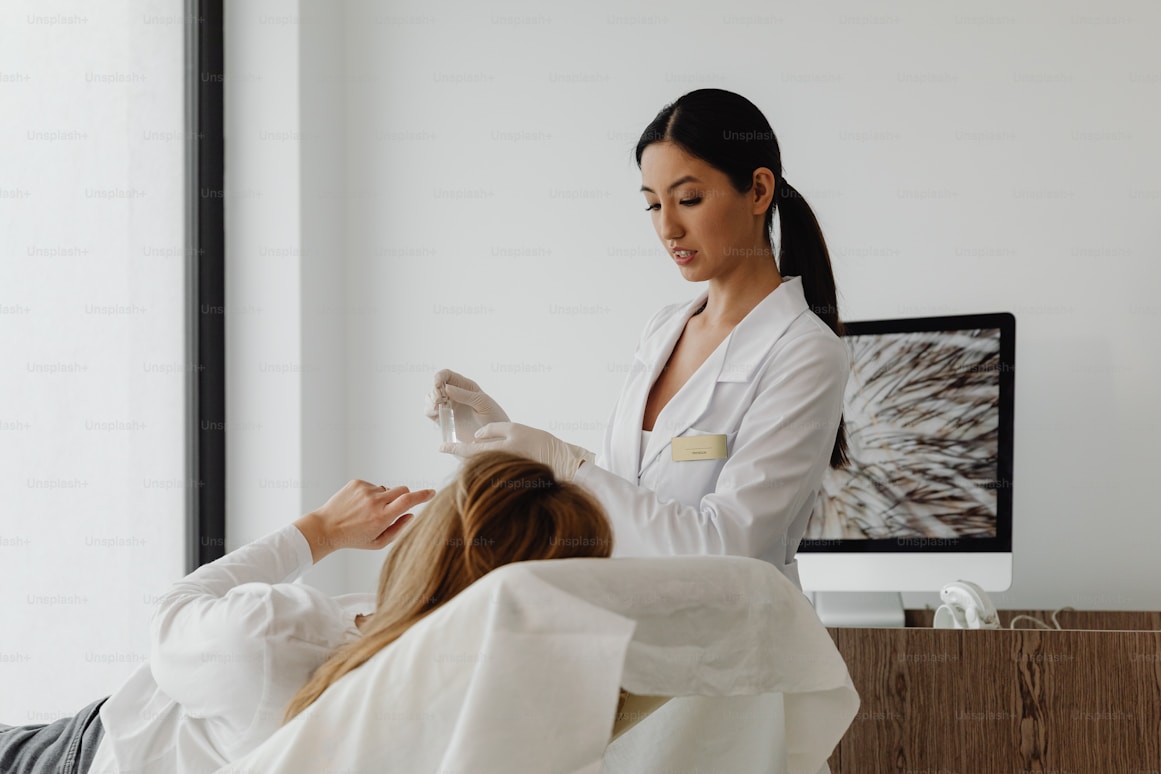
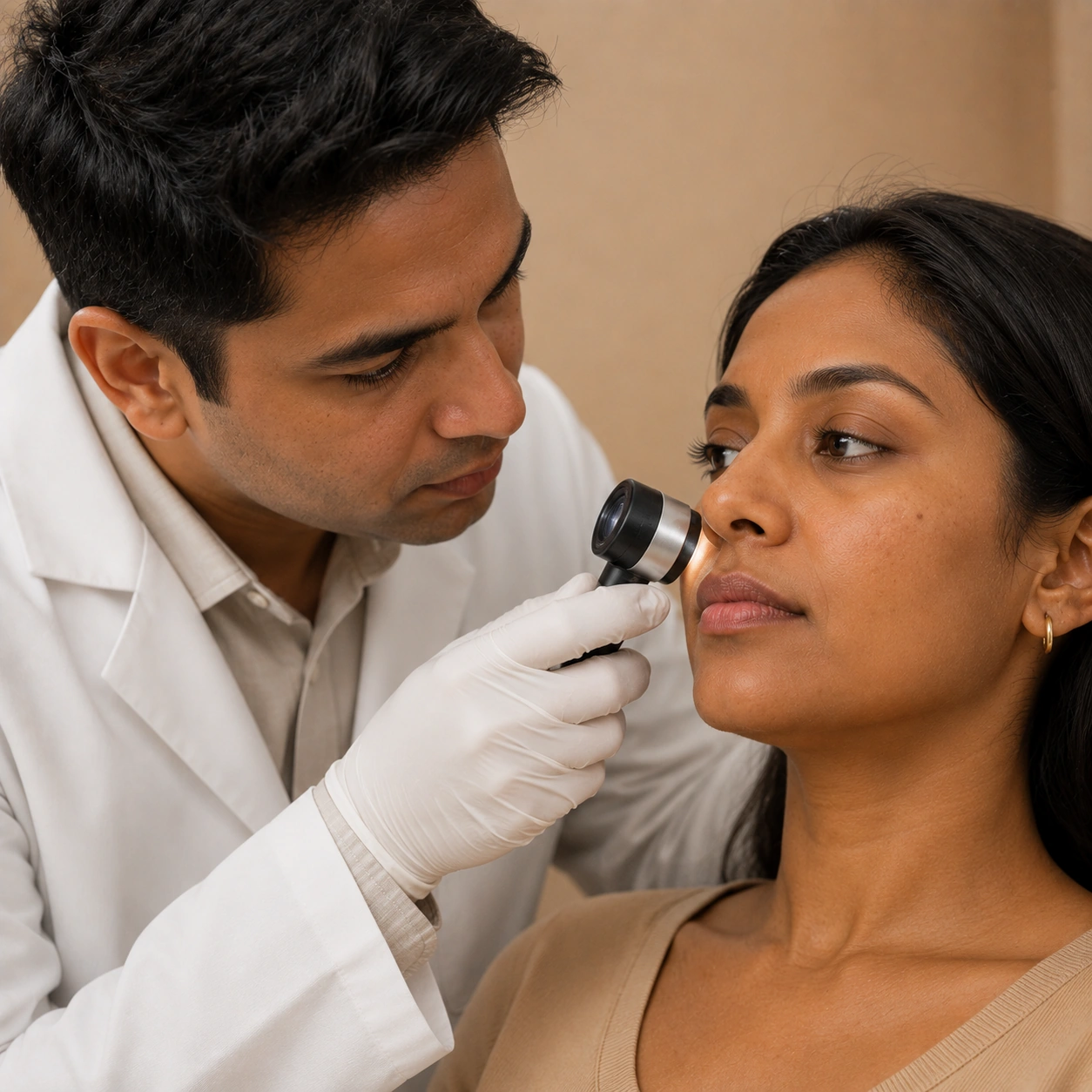
At the clinics in London, Dr Garara assesses pattern, severity, family history, and any indicators that warrant medical investigation (sudden onset, atypical pattern, scarring features, blood-test indications). The plan is realistic — combining regenerative scalp treatments, medical-grade home care, and where appropriate referral for prescription medical treatment (such as oral or topical finasteride / minoxidil under a GP, dermatologist, or specialist) or hair transplant by a specialist.
  • Anatomy-led assessmentTreatment plans built around your unique facial structure and movement.
  • Personalised planCombinations chosen for your skin, goals, and lifestyle — not a one-size-fits-all protocol.
  • Natural resultsA refreshed, well-rested version of you — never a frozen or over-treated look.

Features

Treatment Options

PRP, platelet-derived exosomes, Seffihair (autologous regenerative scalp treatment), polynucleotides, multi-ingredient mesotherapy, microneedling, prescription medical management via GP / dermatology, and hair-transplant referral.

Platelet-Rich Plasma (PRP)

Platelet-Rich Plasma (PRP)

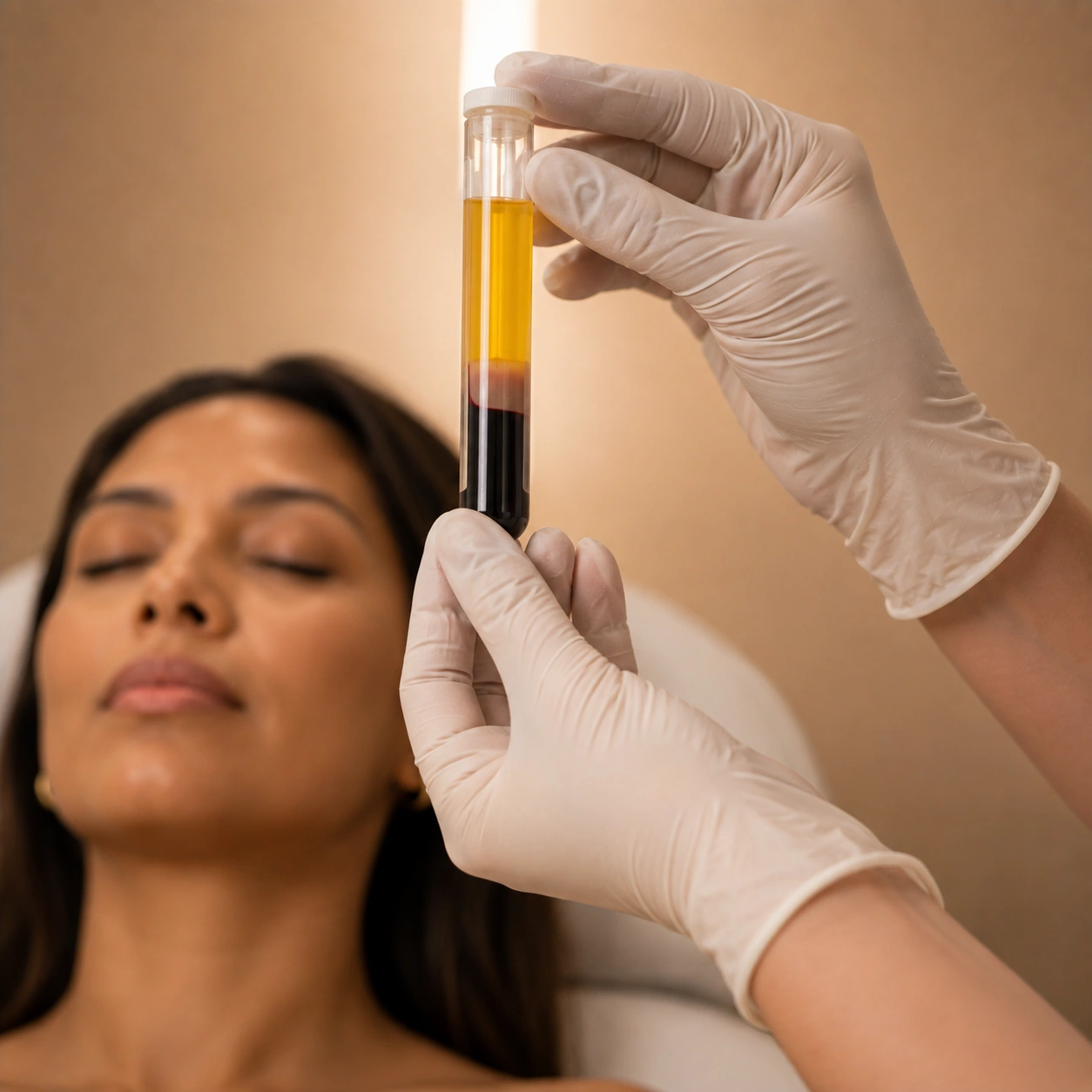
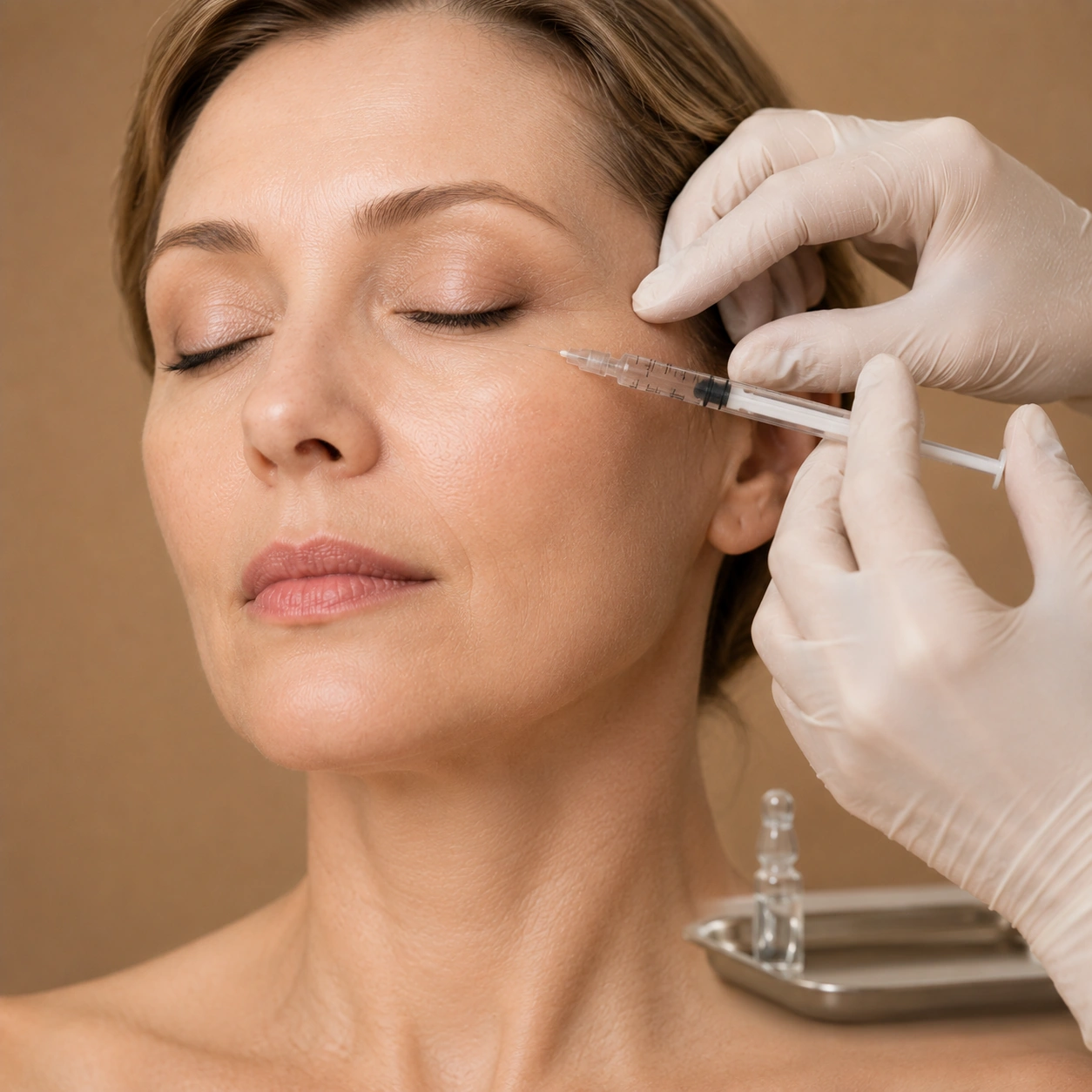
Autologous treatment prepared from your own blood. PRP is understood to support the scalp microenvironment around miniaturising follicles, and a body of clinical evidence supports its use.

See PRP (Platelet-Rich Plasma)
Platelet-derived exosomes

Platelet-derived exosomes

Autologous, derived from the patient’s own platelets. Distinct from PRP — different mechanism, different administration. Not “advanced PRP.”

See Autologous platelet-derived exosomes
Seffihair — autologous regenerative scalp treatment

Seffihair — autologous regenerative scalp treatment

The clinic’s autologous regenerative scalp treatment using the patient’s own adipose-derived tissue. Suitability is decided carefully at consultation; outcomes vary between individuals.

Polynucleotides (Rejuran®)

Polynucleotides (Rejuran®)

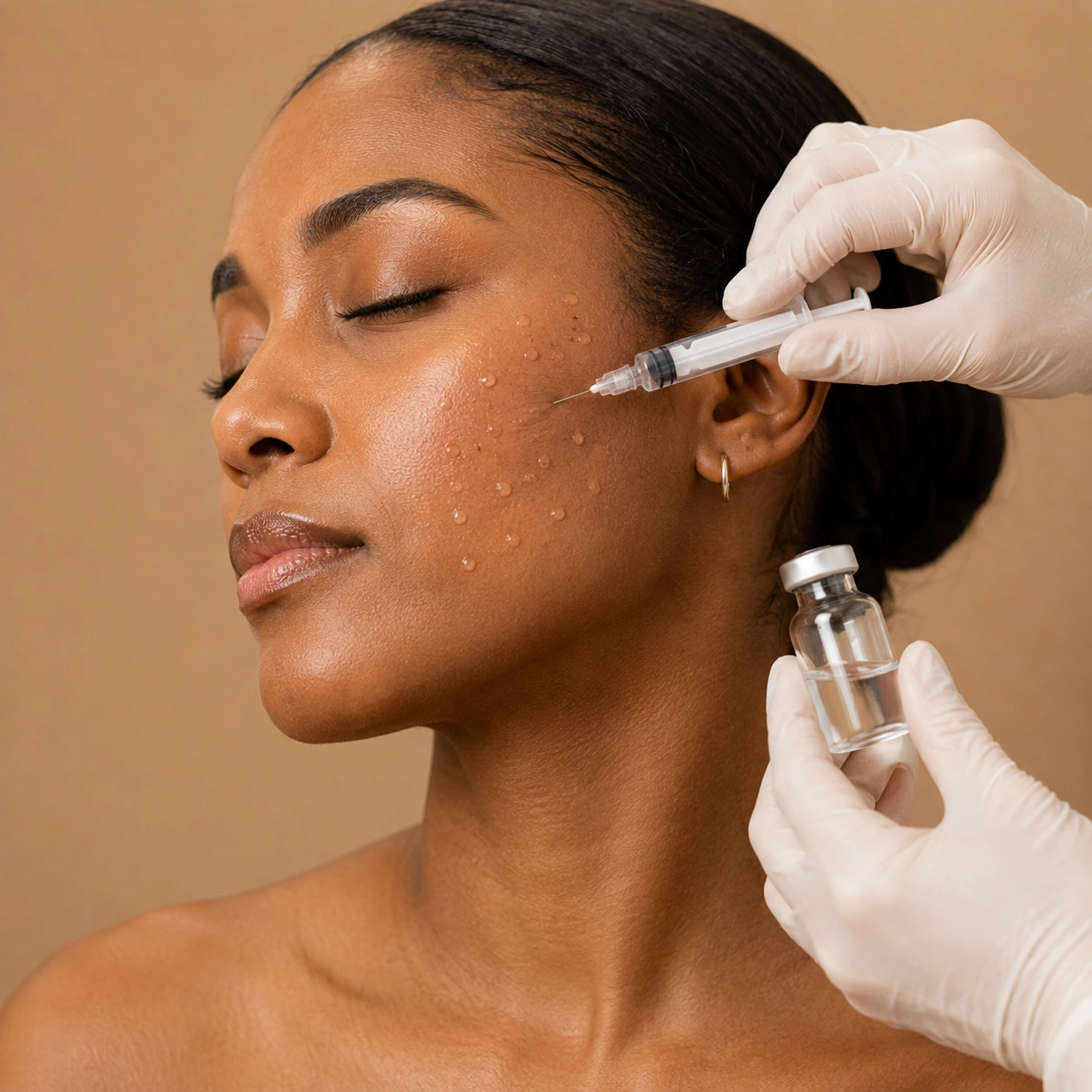
Long-chain DNA fragments injected into the scalp are understood to act as a “repair signal” supporting fibroblasts in the scalp tissue.

See Polynucleotides
Multi-ingredient mesotherapy (NCTF, klardie)

Multi-ingredient mesotherapy (NCTF, klardie)

Multi-ingredient products combining hyaluronic acid with amino acids, peptides, vitamins, and DNA-derived components — delivered to the scalp environment.

Microneedling (radiofrequency or mechanical)

Microneedling (radiofrequency or mechanical)

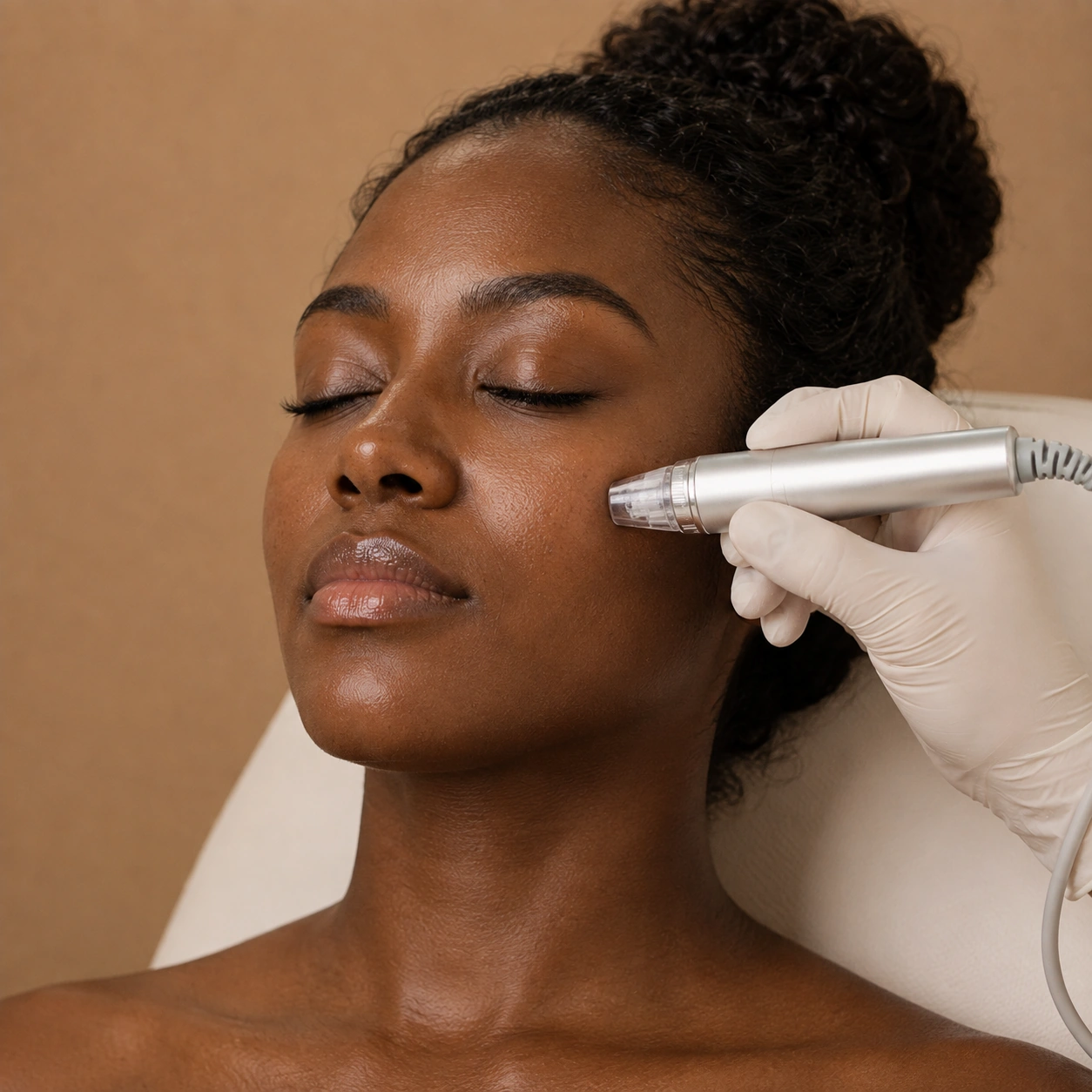
Sylfirm X delivered carefully on the scalp encourages microcirculation and supports the local environment. Mechanical microneedling can enhance topical delivery.

See SkinPen microneedling
Medical-grade home and prescription treatments

Medical-grade home and prescription treatments

Topical minoxidil (over-the-counter) is well-evidenced. Prescription medical treatments — oral or topical finasteride, dutasteride, oral minoxidil — are best discussed and managed through a GP, dermatologist, or specialist hair clinic.

Hair transplant — when it is the right answer

Hair transplant — when it is the right answer

For areas where follicles have been entirely lost, hair transplant by a specialist is the appropriate intervention. The clinic does not perform hair transplant surgery.

Treatment is layered — autologous regenerative therapies (PRP, exosomes, Seffihair), polynucleotides and multi-ingredient mesotherapy, supportive radiofrequency microneedling, and medical / surgical referral where indicated.

Platelet-Rich Plasma (PRP)

  • Best for: Active miniaturisation; supporting other treatments
  • Downtime: 1 day of mild scalp tenderness
  • Lasts: Long-lasting with maintenance

PRP is prepared by taking a small sample of your own blood and concentrating the platelets, which carry growth factors. PRP is understood to support the scalp microenvironment around miniaturising follicles, and a body of clinical evidence supports its use as a regenerative scalp treatment. A typical course is 3–4 sessions a few weeks apart, with maintenance every 6–12 months. PRP is autologous (uses your own blood) and is well-established.

Platelet-derived exosomes

  • Best for: Active miniaturisation; supporting other treatments
  • Downtime: 1 day of mild scalp tenderness
  • Lasts: Long-lasting with maintenance

Platelet-derived exosomes are autologous, derived from the patient’s own platelets, and may be administered by injection or via micro-channels carrying the autologous preparation. They are a distinct treatment from PRP — different mechanism, different administration. They are not “advanced PRP.” A course of treatment is typical.

Seffihair — autologous regenerative scalp treatment

  • Best for: Selected patients; one option in a wider plan
  • Downtime: 5–7 days at donor site
  • Lasts: Variable — depending on individual response

Seffihair is the clinic’s autologous regenerative scalp treatment using the patient’s own adipose-derived tissue. Seffihair is autologous (uses your own tissue, not a manufactured product). The evidence base for autologous adipose-derived scalp treatments is developing; outcomes vary between individuals. Seffihair is one option within a wider plan, and suitability is decided carefully at consultation. It is not described as a guaranteed treatment or as a substitute for medical management of androgenetic alopecia.

Polynucleotides (Rejuran®)

  • Best for: Scalp tissue support alongside other treatments
  • Downtime: 1 day of mild scalp bumps
  • Lasts: Around 6–12 months with a course

Polynucleotides injected into the scalp are understood to act as a “repair signal” supporting fibroblasts in the scalp tissue. A course is typical alongside other treatments.

Multi-ingredient mesotherapy (NCTF, klardie)

  • Best for: Nutritional / environmental support
  • Downtime: 1 day of mild tenderness
  • Lasts: Around 6–12 months with a course

NCTF and klardie are multi-ingredient products combining hyaluronic acid with amino acids, peptides, vitamins, and DNA-derived components. Used as mesotherapy on the scalp, they support the local environment for hair-follicle function.

Microneedling (radiofrequency or mechanical)

  • Best for: Supporting other scalp treatments
  • Downtime: 1–2 days of mild redness
  • Lasts: Long-lasting with maintenance

Sylfirm X radiofrequency microneedling delivered carefully on the scalp encourages microcirculation and supports the local environment. Mechanical microneedling can also be used to enhance topical delivery.

Medical-grade home and prescription treatments

  • Best for: First-line for many patients
  • Downtime: N/A
  • Lasts: Ongoing

Topical minoxidil (over-the-counter) is well-evidenced for many patients. Prescription medical treatments — oral or topical finasteride, dutasteride, oral minoxidil at appropriate doses — are best discussed and managed through a GP, dermatologist, or specialist hair clinic. The aesthetic treatments described above complement rather than replace medical management.

Hair transplant — when it is the right answer

  • Best for: Lost follicles where regenerative treatment cannot recover hair
  • Downtime: Surgical recovery
  • Lasts: Long-lasting

For areas where follicles have been entirely lost, hair transplant by a specialist is the appropriate intervention. The clinic does not perform hair transplant surgery; we route honestly where this is the right next step.

Considering treatment for hair thinning?

Book a consultation with Dr Bhavin Garara.

Book a Consultation
Compare at a glance

Treatments at a Glance

PRP

Best suited for
General thinning with surviving follicles
Typical downtime
1–2 days of mild scalp redness
How long results last
Long-lasting with maintenance
What it does
Supports the scalp microenvironment

Platelet-derived exosomes

Best suited for
Active miniaturisation; supporting other treatments
Typical downtime
1 day of mild scalp tenderness
How long results last
Long-lasting with maintenance
What it does
Autologous cellular treatment for the scalp

Seffihair (autologous)

Best suited for
Selected patients; one option in a wider plan
Typical downtime
5–7 days at donor site
How long results last
Variable — depending on individual response
What it does
Autologous regenerative scalp treatment

Polynucleotides (Rejuran®)

Best suited for
Scalp tissue support alongside other treatments
Typical downtime
1 day of mild scalp bumps
How long results last
Around 6–12 months with a course
What it does
Supports fibroblast activity in the scalp

Multi-ingredient mesotherapy (NCTF, klardie)

Best suited for
Nutritional / environmental support
Typical downtime
1 day of mild tenderness
How long results last
Around 6–12 months with a course
What it does
Delivers supportive ingredients to the scalp

Radiofrequency microneedling

Best suited for
Supporting other scalp treatments
Typical downtime
1–2 days of mild redness
How long results last
Long-lasting with maintenance
What it does
Supports microcirculation and delivery

Medical / prescription treatment (via GP / dermatologist)

Best suited for
First-line for many patients
Typical downtime
N/A
How long results last
Ongoing
What it does
Slows or partially reverses miniaturisation

Hair transplant (not offered here)

Best suited for
Lost follicles where regenerative treatment cannot recover hair
Typical downtime
Surgical recovery
How long results last
Long-lasting
What it does
Surgical follicular transfer by a specialist

Downtime and duration figures are typical averages only. Individual results vary considerably. Dr Garara will give you a more personalised picture at consultation.

Safety & risk

Is Treatment Safe?

Scalp regenerative treatments are widely performed and generally well tolerated. Risks include short-lived scalp tenderness, mild redness, and small bumps at injection sites. Seffihair involves a small donor-site recovery period. Energy-based scalp treatments require appropriate settings.

We share this because patients deserve full information. Dr Garara is happy to discuss specific risks at consultation. The page makes no claim that any treatment cures androgenetic alopecia; we are honest about realistic outcomes.
  • Qualified medical practitionerTreatment carried out by an experienced doctor with detailed anatomical training.
  • Reversal agents on handHyaluronidase and other complication-management tools are immediately available.
  • Full informed consentRisks, alternatives, and expected outcomes discussed in detail before any treatment.
Dr Bhavin Garara
Reviewed byDr Bhavin Garara

Frequently Asked Questions

Common questions about treating hair thinning.

Read next

Related Concerns

Hair thinning connects to hair shedding (often coexisting). You may also want to read about:

← All hair concerns

For an overview of all the facial concerns we treat, visit our Hair treatments hub.

Next step

Ready to take the next step?

Book a consultation with Dr Bhavin Garara.

Book a Consultation

Begin with a proper assessment.

Tell us a little about what you're looking for and we'll match you with the right consultation — at the clinic or virtually.

  • Your enquiry goes directly to Dr Bhavin's team.
  • We'll be in touch within one working day.
  • All consultations are strictly confidential.

This page is for general information and does not constitute medical advice. All treatments require a personal consultation. Suitability, risks, and expected outcomes will be discussed with you in detail before any treatment is carried out.