

Skin Surgery
What is skin surgery?
Refine and perfect your skin's surface
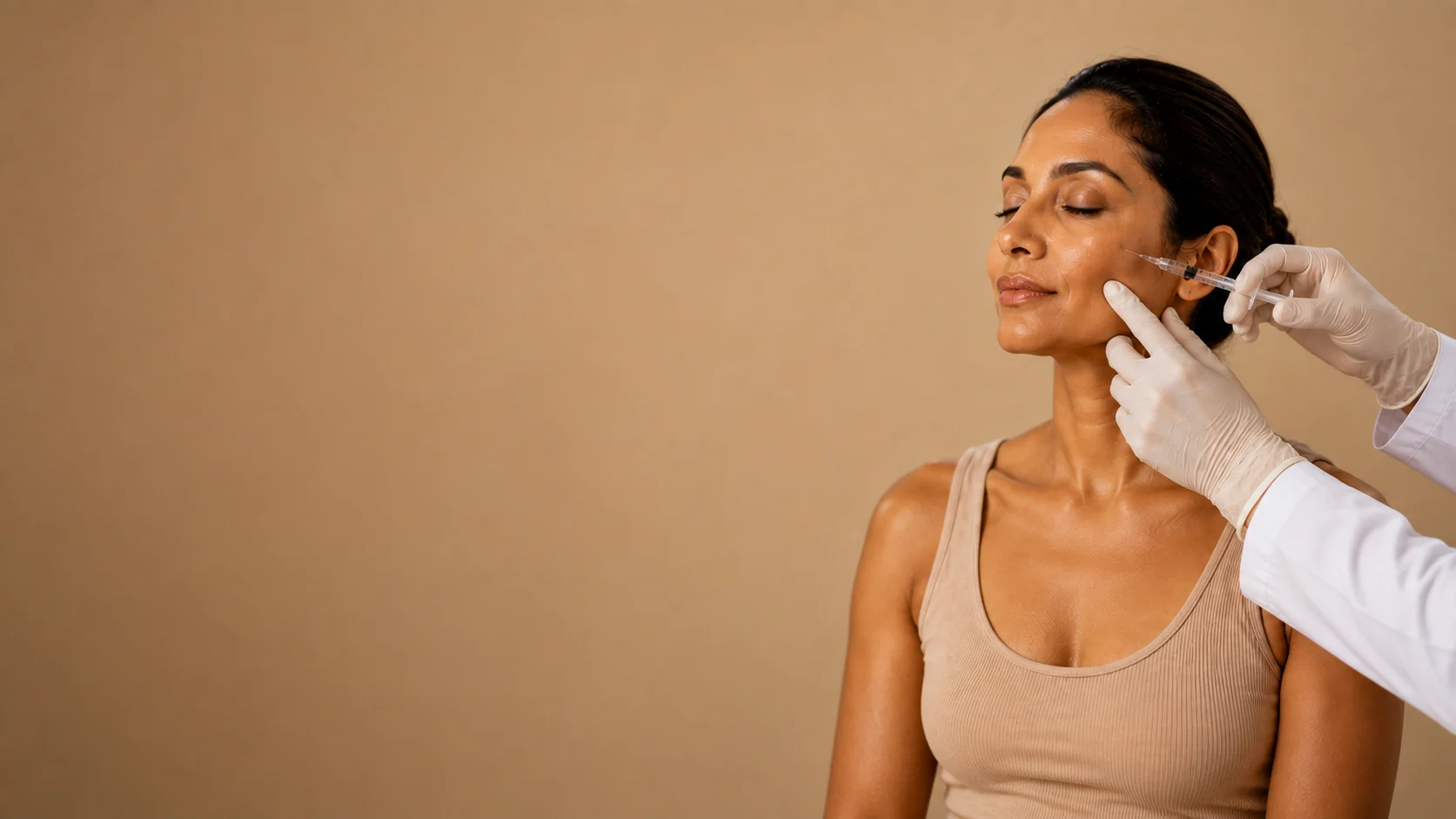
Skin surgery is a precise treatment that aims to diagnose and remove unwanted or suspicious skin lesions. It can address moles, cysts, lipomas, skin tags, warts, and other lumps or bumps, as well as lesions that require biopsy to rule out skin cancer. Procedures are typically performed under a local anaesthetic, with careful attention paid to technique, wound closure, and scar care.
Conditions
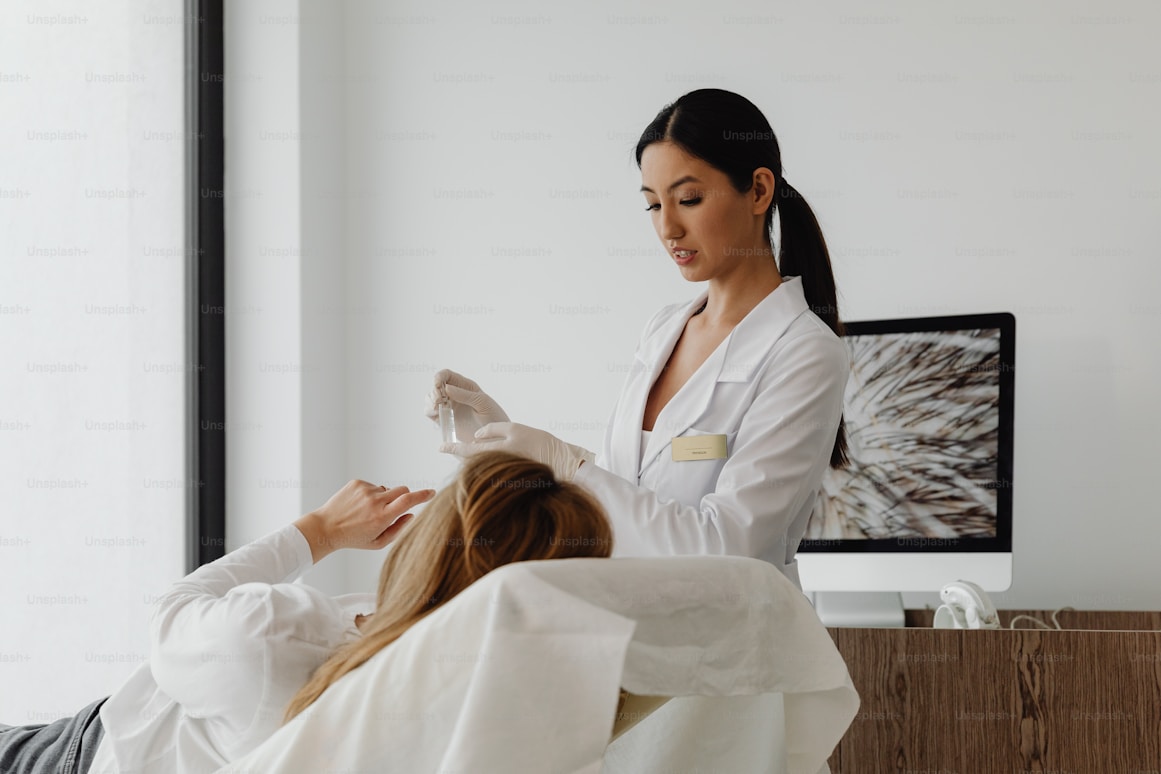
Skin surgery treats:
Quick Overview
Treatment at a Glance
Key facts about this procedure to help you understand what to expect before, during, and after your treatment.
Book a ConsultationTreatment time
30 - 90 minutes
Recovery time
1 - 3 weeks
Anaesthesia
Local anaesthetic
Results duration
Permanent
Discomfort level
Minimal with anaesthetic
Aftercare
Keep wound clean and dry. Follow post-op instructions
How It Works
How does skin surgery work?
Skin surgery involves physically removing abnormal or unwanted tissue in a controlled manner. After numbing the area, the lesion is excised or treated using specialised surgical techniques. The removed tissue may be sent to a laboratory for microscopic analysis if needed. Your body then begins a natural healing response: new collagen forms, the skin edges seal together, and the area remodels over time.
The Real Benefits of Choosing Our Cosmetic Solutions
Precisely targets and removes the root cause of the skin concern
Allows for accurate diagnosis through biopsy when clinically indicated
Performed under local anaesthetic for comfort and safety
Immediate removal rather than ongoing management
High level of control over wound closure and scar placement
Suitable for both medical and cosmetic indications
What to expect from skin surgery with Dr Garara
Consultation: Your consultation with Dr Garara begins with a detailed medical history and a focused skin examination, which assesses the size, location, behaviour, and symptoms of your lesion. You are guided through the clinical findings, including whether removal, monitoring, or biopsy is recommended. Dr Garara explains the proposed surgical techniques, anaesthesia, scarring considerations and aftercare in clear terms.
Treatment: After the area is cleansed and marked, a local anaesthetic is carefully injected to numb the skin. Once comfort is confirmed, the lesion is precisely excised or treated using surgical instruments chosen for its depth and location. Bleeding is controlled, the wound edges are aligned, and fine sutures are placed to optimise healing.
Recovery: After your procedure, you can expect mild swelling, tenderness, and occasional bruising around the treated area. A small amount of redness or tightness is normal as your skin begins healing. You will be given clear instructions on cleaning the wound, changing dressings, and protecting the area from strain or friction.
Results: You will notice the primary result immediately, as the unwanted lesion has been physically removed at the time of treatment. Healing continues over the following weeks as swelling settles and the skin remodels. In most cases, the results are permanent, as the treated lesion does not return.

Expert skin analysis
from anywhere
Explore FAQs on Skin Surgery
Find answers to common questions about skin surgery.
Begin with a proper assessment.
Tell us a little about what you're looking for and we'll match you with the right consultation — at the clinic or virtually.