

Seffiller Autologous Fat Grafting
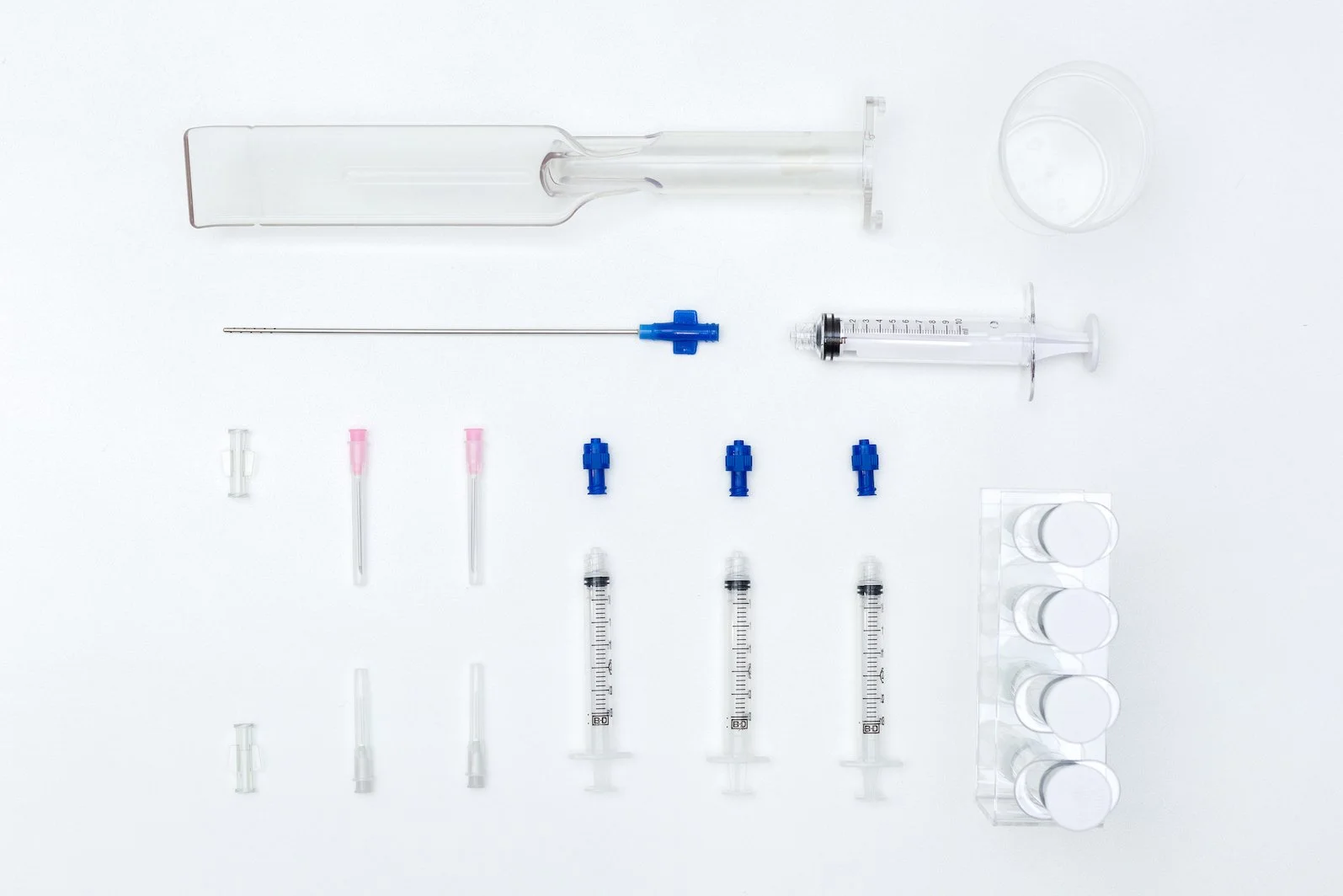
What is Seffiller?
Seffiller is a way of using your own fat to restore volume and improve the quality of the overlying skin. The SEFFI technique, short for Superficial Enhanced Fluid Fat Injection, harvests very fine micro-fat through small cannulae and prepares it gently so it can be placed close to the surface, including delicate areas like the tear trough.
What sets fat apart from a standard filler is that it is living tissue. Alongside the volume it restores, micro-fat carries adipose-derived stem cells that support the surrounding skin, so the result is both fuller and better in quality over time.
Seffiller is made by Seffiline in Italy, and because the fat is your own, it suits every skin tone. Two preparations are used: a finer one for delicate areas, and a slightly larger one for bigger volume deficits elsewhere in the face.
At a glance
Treatment type
Autologous fat grafting (from your own body)
System used
Seffiller by Seffiline (Italy), using the SEFFI technique
What SEFFI means
Superficial Enhanced Fluid Fat Injection
How it works
Fine micro-fat restores volume and brings its own stem cells
Best known for
Facial volume loss and skin quality, including the eye area
Dual action
Volume correction plus regeneration from fat-derived stem cells
Typical course
Usually a single procedure, with results that build
Downtime
Some swelling and bruising for several days
Skin types
Autologous, so suitable for all skin tones
How it works
Gentle harvesting: fat is collected through small side-port cannulae as a fluid micro-fat, which keeps the fat cells viable and the particles small.
Superficial placement: because the micro-fat is fine, it can be injected close to the surface and in delicate areas such as the eyelids and tear trough, where standard fat grafting is harder.
Volume plus regeneration: the graft restores lost volume, and the stem cells it carries support the overlying skin, improving quality as well as fullness.
Two preparations: a finer preparation for delicate areas, and a slightly larger one for bigger volume deficits elsewhere in the face.
The benefits
Restores lost facial volume in the cheeks, temples, around the mouth and eyes.
Improves skin quality — fat-derived stem cells support the overlying skin, not just the volume beneath it.
Suits delicate areas: the fine micro-fat can be placed superficially, including the tear trough.
Uses your own tissue: autologous, so no foreign material and no pigment risk.
Long-lasting where fat survives — grafted fat that takes can give a durable result.
Safe across skin tones: nothing here targets melanin.
Concerns it treats
What to expect
Before
Consultation and assessment. A small donor area (often the abdomen or thigh) is identified.
During
Fat is gently harvested under local anaesthetic, prepared, and injected where volume is needed. The procedure is longer than a filler appointment.
Immediately after
Swelling and bruising at both the donor and treated areas.
Downtime
Several days of swelling and bruising; the donor site may feel tender.
Results
Initial fullness settles as some fat is reabsorbed; the fat that takes gives a lasting result, with skin quality improving over months.
Course
Usually a single procedure, occasionally topped up depending on the area and goal.
What the evidence shows
Volume and skin quality
- In a series of 98 patients, SEFFI corrected age-related volume loss and improved skin quality of the face and periocular region, with good or excellent results in all patients and only minor complications. The harvested micro-fat was rich in viable fat cells and stem cells (Bernardini et al., Aesthet Surg J, 2015).
- The finer preparation suited delicate areas such as the deep upper eyelid sulcus and tear trough, while a slightly larger preparation handled bigger deficits elsewhere in the face.
Why fat is different
- Unlike inert fillers, transplanted micro-fat brings adipose-derived stem cells, which is the basis of its regenerative effect on the overlying skin.
Individual results vary and depend on assessment at consultation. Manufacturer figures are attributed as such.
Key facts
- Seffiller is autologous fat grafting using the SEFFI (Superficial Enhanced Fluid Fat Injection) technique, by Seffiline.
- Fine micro-fat restores facial volume and can be placed superficially, including the tear trough.
- Unlike fillers, it brings adipose-derived stem cells that improve overlying skin quality.
- A 98-patient study reported good or excellent volume and skin results with minor complications.
- It uses your own tissue, so it suits every skin tone; expect several days of swelling and bruising.
References & sources
- Bernardini FP, et al. Superficial Enhanced Fluid Fat Injection (SEFFI) to Correct Volume Defects and Skin Aging of the Face and Periocular Region. Aesthet Surg J. 2015;35(5):504-515.
- Seffiline S.r.l. (Italy): Seffiller SEFFI device information, seffiline.it.

Your skin has a story. Learn to read it.
UHai analyses your skin across multiple dimensions — tone, texture, pigmentation, hydration and more — and generates a personalised clinical report in minutes. No appointment needed.
- A clinical skin report, personalised to you
- Analyses tone, texture and pigmentation
- Free to use, no appointment needed
Explore FAQs on Seffiller
Find answers to common questions about Seffiller.
It is autologous fat grafting using the SEFFI technique, which harvests fine micro-fat from your own body and places it to restore facial volume and improve skin quality.
Fat is living tissue. As well as restoring volume, it brings adipose-derived stem cells that support the overlying skin, so the result improves quality as well as fullness.
Yes. Because the micro-fat is very fine, it can be placed superficially in delicate areas such as the tear trough, where standard fat grafting is harder.
Yes. The fat is your own and nothing in the treatment targets melanin, so it suits every skin type.
Some of the grafted fat is naturally reabsorbed in the first months; the fat that survives can give a durable result.
Expect several days of swelling and bruising at both the donor and treated areas, with the donor site feeling tender for a while.
Begin with a proper assessment.
Tell us a little about what you're looking for and we'll match you with the right consultation — at the clinic or virtually.